How To Prevent And Manage Shin Splints?
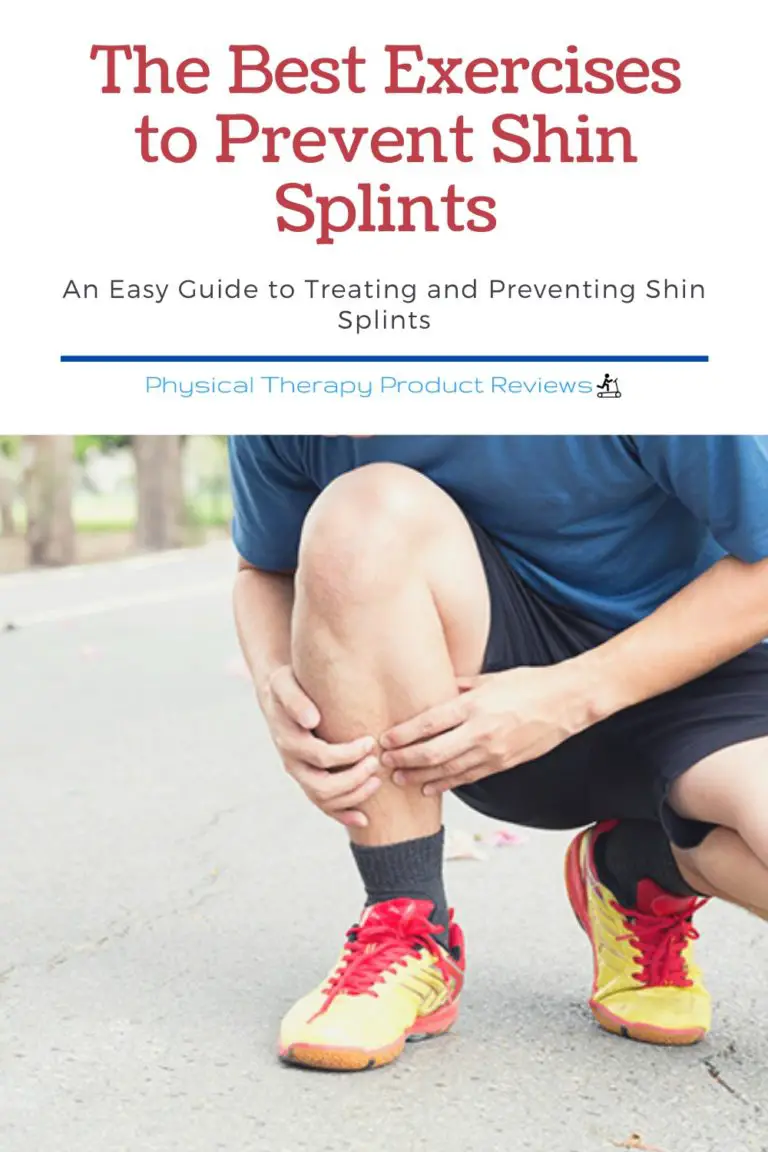
physicaltherapyproductreviews.com - splints exercises prevent
As the weather gets warmer, many people are eager to get outside and start exercising. While running is a great form of exercise, it's important to take steps to prevent and treat shin splints. Shin splints are a common injury in runners and can be caused by a variety of factors, including overuse, improper footwear, or flat feet. Fortunately, there are several exercises you can do to prevent shin splints. Here are some of the best exercises to incorporate into your routine: 1. Heel Raises Heel raises are a great way to work the muscles in your shins and calves. Stand with your feet shoulder-width apart and slowly lift your heels off the ground, then lower them back down. Repeat for several reps. 2. Toe Raises Toe raises work the muscles on the front of your shin. Start by kneeling on the ground with your toes touching the ground. Lift your toes off the ground and hold for a few seconds before lowering them back down. Repeat for several reps. 3. Ankle Rotations Ankle rotations help improve ankle mobility and flexibility, which can help prevent shin splints. Sit on the ground with your legs extended in front of you. Point your toes outward and rotate them in circles, then switch directions. 4. Resistance Band Exercises Using a resistance band can be a great way to build strength in the muscles that support your shins and ankles. Wrap the band around your foot and pull it towards your body, then slowly release. Repeat for several reps before switching to the other foot. 5. Calf Stretches Stretching is an important part of any exercise routine, and calf stretches can be particularly beneficial in preventing shin splints. Stand facing a wall and place your hands on the wall for support. Step your right foot forward and bend your knee, keeping your left leg straight. Hold for a few seconds before switching sides. 6. Foam Rolling Foam rolling can help reduce muscle soreness and increase mobility. Place a foam roller underneath your calf and slowly roll back and forth, focusing on any areas of tension. 7. Toe Taps Toe taps are a great way to work the muscles on the front of your shin. Sit on the ground with your legs extended in front of you. Tap your toes against the ground, then lift them back up. Repeat for several reps. 8. Lateral Hops Lateral hops are a great way to improve balance and stability, which can help prevent shin splints. Stand on one foot and hop from side to side, keeping your balance as you go. Repeat for several reps before switching to the other foot. Some additional tips for preventing shin splints include: - Gradually increasing the intensity of your workouts - Wearing supportive shoes with good arch support - Avoiding hard surfaces like concrete - Warming up before exercise - Cooling down after exercise - Taking rest days when needed If you do develop shin splints, there are several steps you can take to help alleviate the pain and promote healing. Some common treatments for shin splints include: - Resting the affected leg - Icing the affected area - Wearing compression socks or sleeves - Using over-the-counter pain medication - Stretching the affected area - Seeking professional medical treatment if the pain persists FAQ: Q: Can shin splints be prevented? A: Yes, there are several steps you can take to prevent shin splints, including incorporating the exercises listed above, wearing supportive shoes, and gradually increasing the intensity of your workouts. Q: What should I do if I develop shin splints? A: If you do develop shin splints, it's important to rest the affected leg and take steps to alleviate the pain. Seeking professional medical treatment may also be necessary if the pain persists. Q: How long does it take for shin splints to heal? A: The length of time it takes for shin splints to heal can vary depending on the severity of the injury. Rest, stretching, and other treatments can help promote healing, but it's important to listen to your body and not push yourself too hard while you recover. Incorporating these exercises and tips into your exercise routine can help prevent shin splints and keep you running pain-free. Remember to take it slow, listen to your body, and don't hesitate to seek professional medical treatment if you need it. Happy running!
Post a Comment for "How To Prevent And Manage Shin Splints?"