What Is A Balanced Diet?
In today’s fast-paced world, eating a healthy and balanced diet is of utmost importance to maintain good health and prevent chronic diseases. A balanced diet is a cornerstone of good health, and it provides us with the necessary nutrients that our body needs to function optimally. In this article, we will explore some tips and frequently asked questions related to maintaining a healthy and balanced diet.
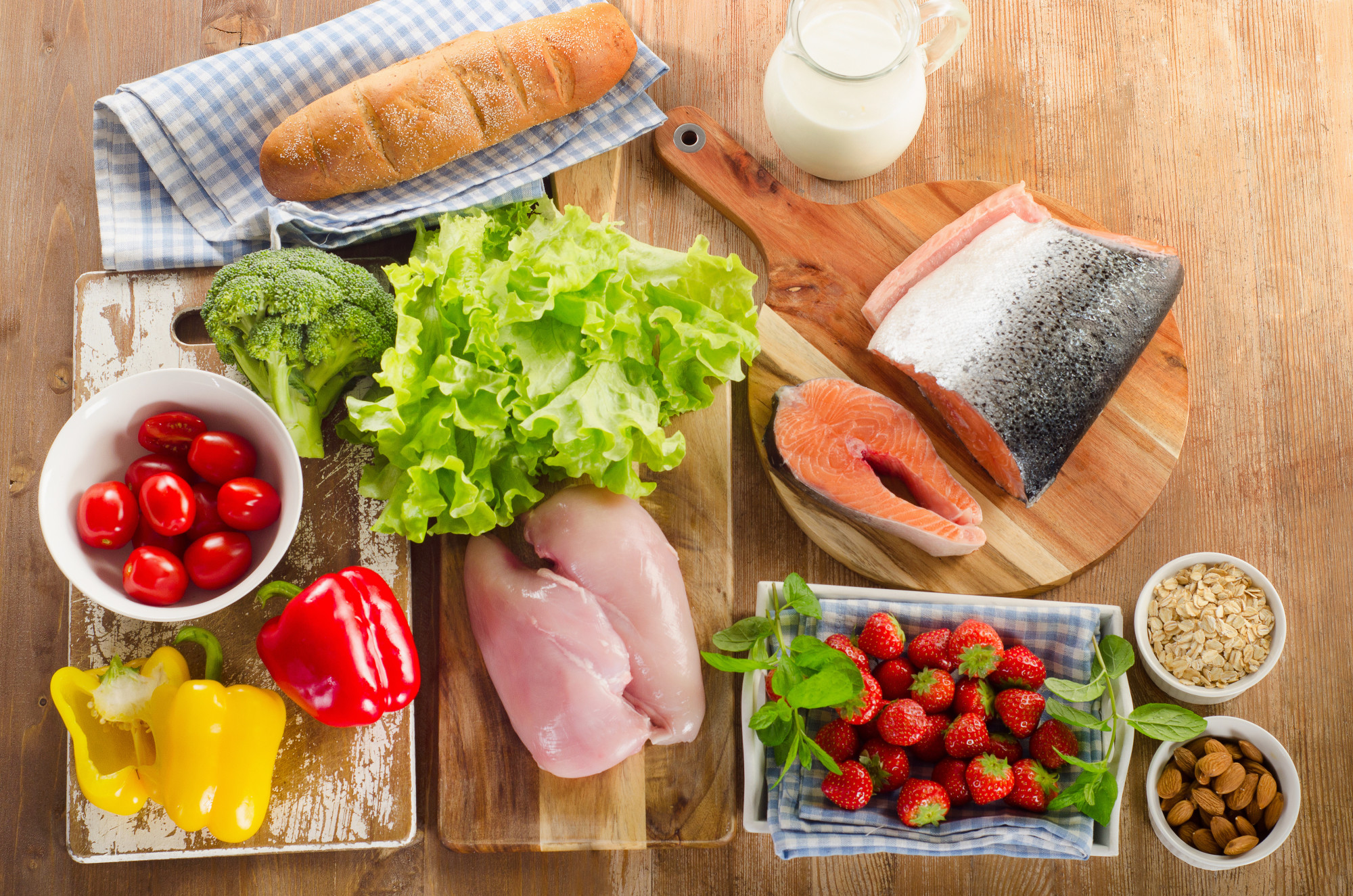
The first and foremost tip is to focus on eating whole grains, fruits, vegetables, lean protein, and healthy fats. Whole grains are an excellent source of fiber, which helps in maintaining a healthy digestive system and reduces the risk of heart diseases. Fruits and vegetables are loaded with vitamins, minerals, and antioxidants, which help in strengthening our immune system and protecting us from chronic diseases. Lean protein sources such as poultry, fish, tofu, and legumes provide us with essential amino acids to build and repair body tissues. Lastly, healthy fats such as nuts, seeds, olive oil, and avocados can help in reducing inflammation, improving heart health, and regulating cholesterol levels in the body.
The second tip is to limit the consumption of processed and sugary foods. Processed foods are packed with sodium, preservatives, and chemicals that can harm our health, and they lack the necessary nutrients that our body requires. Sugary foods, on the other hand, can lead to a sudden spike in blood sugar levels, which can be detrimental to our health in the long run. Therefore, it is essential to opt for whole and fresh foods whenever possible and avoid processed and sugary foods as much as possible.
The third tip is to stay hydrated by drinking enough water and fluids throughout the day. Water is essential to maintain the electrolyte balance in our body, regulate body temperature and helps in the proper functioning of kidneys. Drinking adequate water can also aid in weight loss, improve skin health, and reduce the risk of developing kidney stones.
Another significant tip is to listen to your body and avoid overeating. Eating until you are full and satisfied is essential, but eating beyond that can lead to weight gain and other health problems. Furthermore, it is crucial to eat slowly and mindfully, chew your food properly, and enjoy your meals without distractions such as television or mobile phones.
Moreover, incorporating a variety of foods in your diet is also essential to ensure that you are getting all the essential nutrients required by your body. Mix up your diet with different fruits, vegetables, grains, and protein sources to keep your meals exciting and enjoyable.
Lastly, it is important to understand that maintaining a healthy and balanced diet is a lifestyle change, and it takes time and effort to make it a habit. It is best to make small changes to your diet gradually and consistently to achieve long-term success.
Frequently Asked Questions:
Q. Is it necessary to count calories to maintain a healthy diet?
A. No, it is not necessary to count calories to maintain a healthy diet. However, it is essential to be mindful of the portion sizes and the types of foods that we consume.
Q. What are some healthy snack options?
A. Some healthy snack options include fresh fruits, vegetable sticks with hummus, nuts and seeds, yogurt, and air-popped popcorn.
Q. Can I still eat unhealthy foods occasionally?
A. Yes, you can still enjoy unhealthy foods occasionally, but it is important to maintain a balance and moderation. For example, if you enjoy pizza, have a slice or two occasionally instead of eating the entire pie.
Q. Can I get all the necessary nutrients from a vegan or vegetarian diet?
A. Yes, it is possible to get all the necessary nutrients from a vegan or vegetarian diet, but one needs to plan their meals carefully to ensure that they are getting all the essential nutrients such as protein, iron, calcium, and vitamin B12.
Q. What are some healthy beverage options?
A. Some healthy beverage options include water, unsweetened tea, black coffee, and low-fat milk.
Q. How often should I eat?
A. It is recommended to eat three to four meals a day and have healthy snacks in between the meals if necessary.
Q. Is it okay to skip meals?
A. No, it is not recommended to skip meals as it can lead to overeating and poor food choices at the next meal.
Q. Can alcohol be a part of a healthy diet?
A. Yes, alcohol can be a part of a healthy diet if consumed in moderation, which means up to one drink per day for women and up to two drinks per day for men.
In conclusion, maintaining a healthy and balanced diet is crucial for good health and can help prevent chronic diseases. By following the tips mentioned above and incorporating healthy habits such as staying hydrated, limiting processed and sugary foods and listening to your body, one can achieve optimal health and wellbeing.
Post a Comment for "What Is A Balanced Diet?"