What Is The Importance Of Proper Form During Exercises?
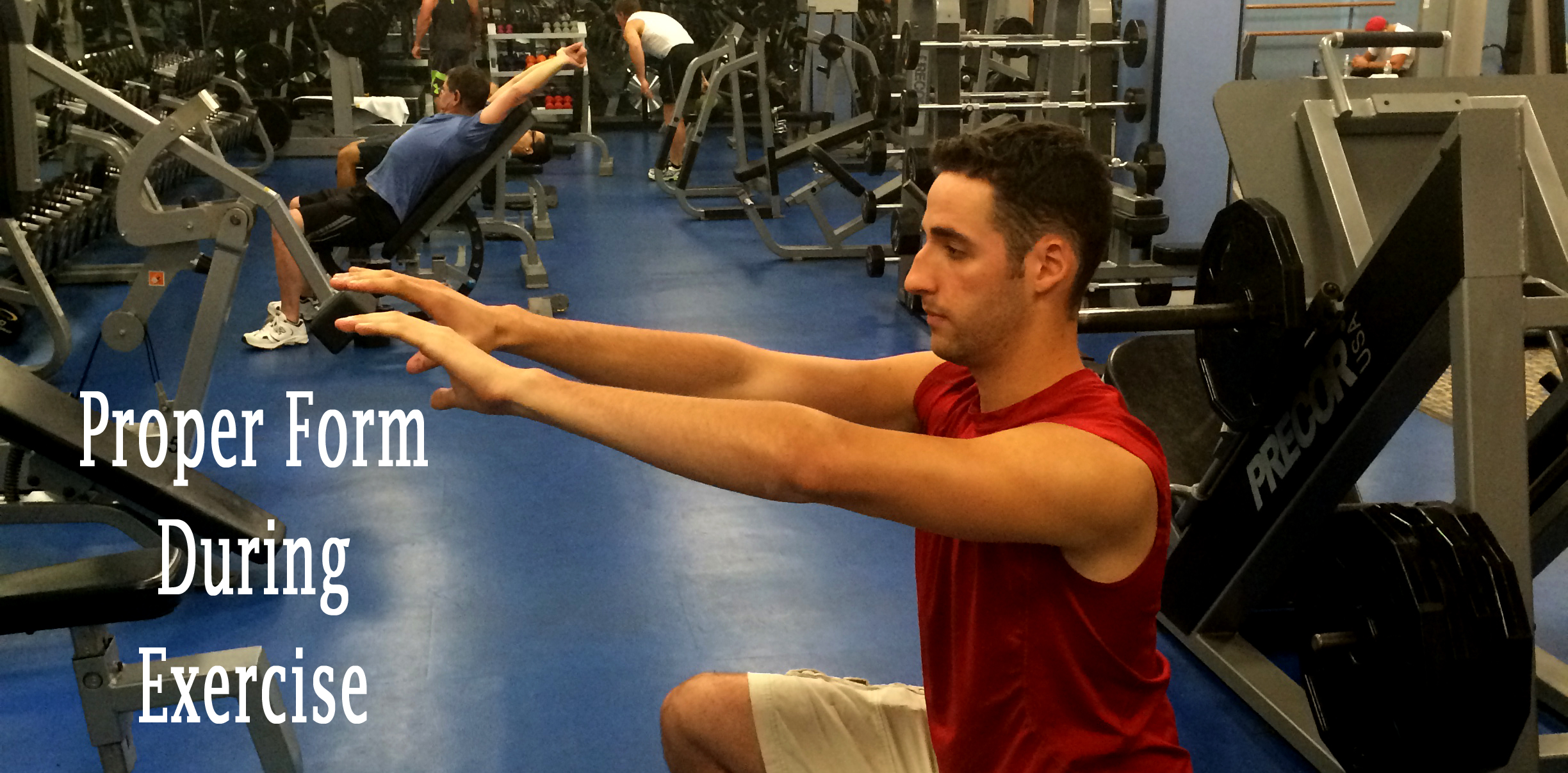
The importance of proper form during exercise cannot be overstated. Whether you are a seasoned athlete or a beginner, maintaining proper form during your workouts is crucial for achieving optimal results and minimizing risk of injury. In this article, we will explore the many benefits of proper form and provide tips for ensuring that you are performing each exercise correctly.
Why Proper Form is Important
First and foremost, proper form ensures that you are engaging the correct muscles during your workout. When you perform an exercise with incorrect form, you may inadvertently use muscles that are not intended to be worked, which can lead to muscle imbalances and decreased effectiveness of the exercise. Additionally, using improper form can put unnecessary strain on other parts of the body, leading to a greater risk of injury.
Proper form also helps to increase the efficiency of your workout. By executing each exercise in its intended manner, you will be able to complete each repetition with greater ease and produce more force, resulting in a higher quality workout in less time.
Furthermore, good form promotes correct breathing patterns during exercise. When you breathe correctly during exercise, you will feel better and be able to perform better. Proper breathing during exercise can also help you reduce your heart rate and oxygenate your muscles more efficiently.
Tips for Maintaining Proper Form
Now that we have discussed the importance of proper form, let's delve into some tips for ensuring that you are performing each exercise correctly:
1. Engage Your Core
Before you begin any exercise, engage your core muscles by pulling your belly button in towards your spine. Proper core engagement not only helps to protect your lower back, but also promotes better overall form.
2. Keep Your Head in Alignment
During exercises such as squats or lunges, it may be tempting to look down at your feet or upwards at the ceiling. However, keeping your head in alignment with your spine is crucial for maintaining proper form, so focus on keeping your gaze forward or slightly upwards.
3. Keep Your Shoulders Down
During exercises such as bench press or push-ups, many people tend to shrug their shoulders towards their ears. However, this can lead to incorrect muscle activation and an increased risk of injury. Instead, focus on keeping your shoulders down and back, which will engage your chest and triceps muscles properly.
4. Maintain Proper Breathing
During weightlifting exercises, it is important to exhale on the exertion phase (when you are pushing or lifting) and inhale during the eccentric phase (when you are lowering the weight). This will help you maintain better form and prevent dizziness or lightheadedness.
5. Use Proper Equipment
Using the proper equipment for each exercise is crucial for maintaining proper form. For example, using gloves during weightlifting will help you maintain a better grip on the weights, and using appropriate footwear will provide the support and stability needed for exercises such as squats and lunges.
FAQ about Proper Form
Here are some frequently asked questions about proper form during exercise:
1. How can I tell if I am performing an exercise correctly?
If you are unsure of whether you are performing an exercise correctly, consider working with a personal trainer or coach who can help you assess your form and provide tips for improvement. You can also record yourself performing the exercise and review the footage to check for proper form.
2. What are some common signs of improper form?
Common signs of improper form include using a jerky or uncontrolled motion during the exercise, bending at the lower back instead of the hips, lifting or lowering weights too quickly, and engaging the wrong muscles during the exercise.
3. Is it ever okay to sacrifice form for more weight or reps?
No, it is never okay to sacrifice proper form for more weight or reps. Doing so can increase your risk of injury and decrease the effectiveness of the exercise.
4. Can improper form lead to chronic injury?
Yes, using improper form during exercise can lead to chronic injury over time. Repeated strain on improperly engaged muscles and joints can lead to long-term injury and chronic pain.
Conclusion
Maintaining proper form during exercise is essential for achieving optimal results, minimizing risk of injury, and promoting overall health and fitness. By following the tips outlined in this article and prioritizing proper form during your workouts, you can ensure that you are getting the most out of each exercise and protecting your body from potential harm.
Post a Comment for "What Is The Importance Of Proper Form During Exercises?"