What Is The Role Of Nutrition Timing In Optimizing Workout Performance?
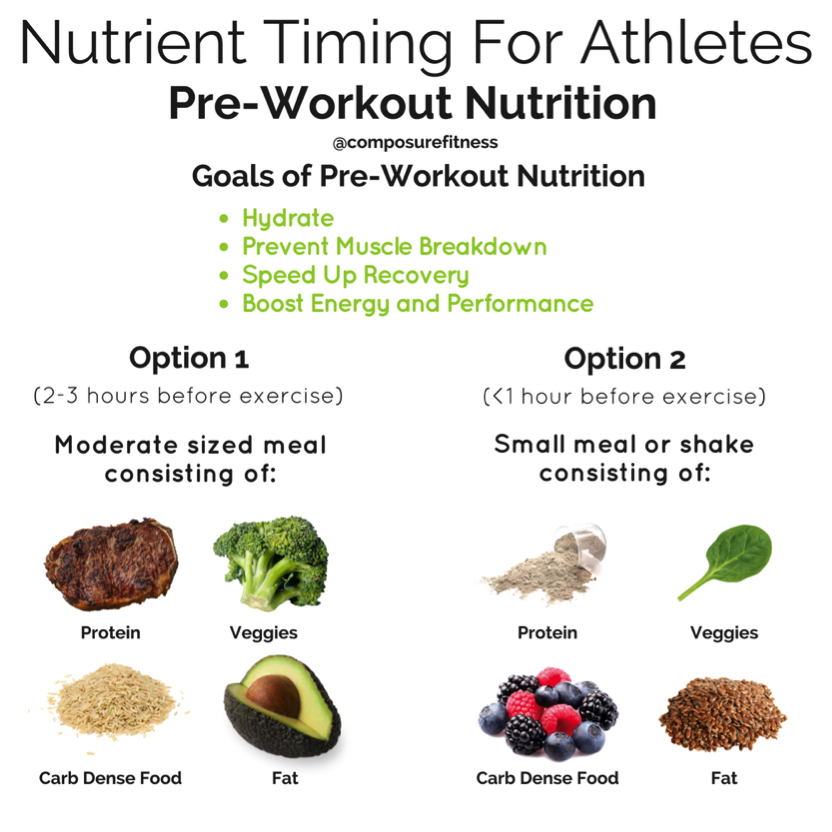
composurefitness.com - timing nutrient nutrition simpler think much than workout step during
In the world of fitness and nutrition, there has been a long-standing debate about nutrient timing - the strategic intake of macronutrients in relation to physical activity. Some argue that nutrient timing is a crucial factor in maximizing muscle growth and performance, while others claim that it is overhyped and ultimately unnecessary. So, what is the truth? In this article, we will break down the concept of nutrient timing and offer evidence-based tips for how to optimize your timing strategy. First and foremost, it is important to understand what exactly nutrient timing entails. Essentially, it refers to the timing of your meals and snacks in relation to your workouts. The idea is that by strategically consuming specific macronutrients (carbohydrates, protein, and fat) at specific times, you can enhance your body's ability to build and repair muscle, increase energy levels, and improve performance. For example, many athletes and bodybuilders follow the practice of consuming a carbohydrate-rich meal or snack before and/or after their workouts. The reasoning behind this is that carbohydrates provide a quick source of energy for high-intensity exercise and aid in replenishing glycogen stores in the muscles after a workout. Additionally, consuming protein post-workout is believed to enhance muscle protein synthesis and promote recovery. While there is some evidence to support the theory of nutrient timing, it is important to note that the effects are likely to be relatively small and may not be significant for everyone. For example, a 2017 review of the literature found that while there is some evidence to support the benefits of consuming carbohydrates and protein around workouts, these effects may be attenuated in individuals who already consume sufficient amounts of these nutrients in their overall diet. So, if nutrient timing is not a magic solution, why do many athletes and fitness enthusiasts still prioritize it? Part of the reason may be that the idea of 'optimal' nutrition is very appealing - we all want to feel like we are doing everything we can to maximize our results. Additionally, nutrient timing can be a useful tool for those who struggle with fueling their workouts effectively, as it provides a framework for when and what to eat. With that said, how can you optimize your nutrient timing strategy, if you choose to implement one? Here are some evidence-based tips: 1. Prioritize your overall diet: Nutrient timing should not be the sole focus of your nutrition plan. Prioritizing a balanced, varied diet that meets your energy and nutrient needs will have a much greater impact on your performance and health than any specific timing strategy. 2. Tailor timing to your workouts: The timing of your meals and snacks should be tailored to your specific exercise routine. For example, if you are doing a high-intensity workout in the morning, you may want to consume a carbohydrate-rich snack beforehand. If you are doing a lower-intensity workout in the evening, you may not need to worry as much about the timing of your nutrient intake. 3. Experiment with different macronutrient ratios: While there is no one 'perfect' ratio of macronutrients for nutrient timing, experimenting with different ratios can help you find what works best for your body and goals. For example, some individuals may find that a higher carbohydrate intake pre- and post-workout works best for them, while others may benefit from a higher protein intake. 4. Don't overlook hydration: Adequate hydration is crucial for optimal performance, so make sure to prioritize fluid intake before, during, and after your workouts. 5. Listen to your body: At the end of the day, the most important thing is to listen to your body and adjust your nutrient timing strategy accordingly. If you find that consuming a carbohydrate-rich snack before your workout makes you feel sluggish, switch it up and try a protein-rich option instead. So, to sum it up - nutrient timing can be a useful tool for optimizing your performance and recovery, but it should not be the sole focus of your nutrition plan. Prioritizing a balanced, varied diet that meets your energy and nutrient needs is key, and nutrient timing should be tailored to your specific workout routine and individual preferences. By experimenting with different timing strategies and listening to your body, you can find what works best for you.
Post a Comment for "What Is The Role Of Nutrition Timing In Optimizing Workout Performance?"