How To Prevent And Manage Exercise-induced Shin Splints Or Lower Leg Pain?
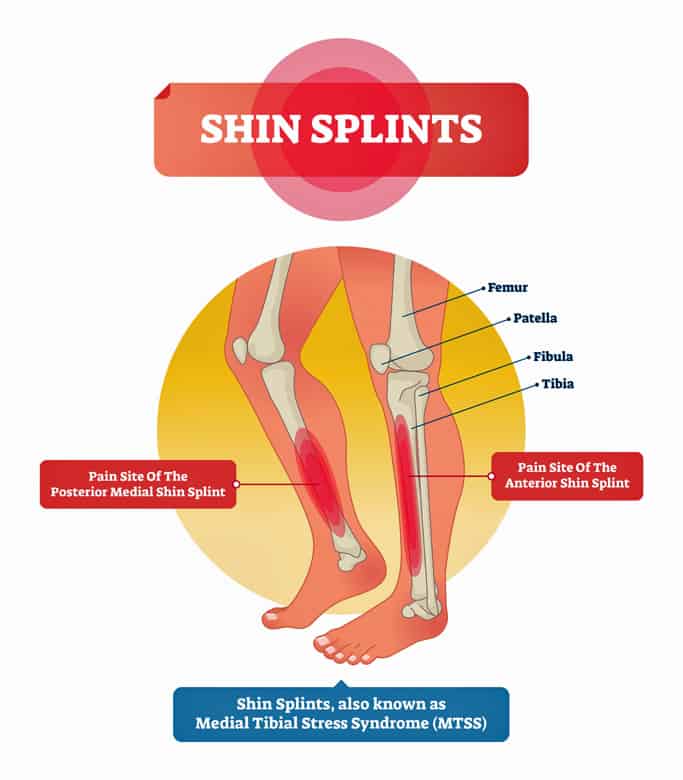
Oh boy, have you ever experienced the excruciating pain of shin splints? It feels like someone took a sledgehammer to your shins. Not fun. But fear not, my fellow runners! I have compiled 15 tips on how to prevent and treat shin splints.
Prevention
1. Start with proper warm-up and cool-down routines. It's important to loosen up those muscles before and after your run.
2. Gradually increase your mileage. Don't go from running 1 mile to 10 miles in one week. Ease into it.
3. Wear proper shoes. Make sure they fit well and provide enough support for your feet.
4. Improve your running technique. Pay attention to how your feet land on the ground and try to land midfoot instead of on your heels.
5. Strengthen your leg muscles. Incorporate exercises like calf raises and squats into your routine.
6. Cross-train with low-impact activities like biking or swimming to give your legs a break.
7. Invest in compression socks. They can help improve blood flow and reduce inflammation.
8. Rest. Listen to your body and take rest days when needed.
Treatment
1. Rest your legs. It's important to take a break from running to let your shins heal.
2. Ice your shins. Freeze a water bottle and use it to massage your shins for 15-20 minutes a few times a day.
3. Take anti-inflammatory medication like ibuprofen to alleviate pain and inflammation.
4. Stretch your legs. Gently stretch the muscles in your calves and feet.
5. Use a foam roller to massage your legs and break up any knots or tightness.
6. Consider seeing a physical therapist for specific exercises and treatments.
7. Use a shin splint brace to support your shins while you run.
8. Gradually ease back into running once your shins have healed.
FAQ
Q: Can I still run with shin splints?
A: It's not recommended to run through the pain as it can make the injury worse. Rest and proper treatment are key to healing shin splints.
Q: How long does it take to heal from shin splints?
A: It varies from person to person, but typically it takes a few weeks to a few months for shin splints to fully heal.
Q: Are there any exercises I can do to prevent shin splints?
A: Yes, strengthening exercises like calf raises and squats can help prevent shin splints by improving muscle endurance and reducing strain on the shins.
Q: Can shin splints be a sign of a more serious injury?
A: Yes, in some cases shin splints can be a symptom of a stress fracture. If your pain is severe or doesn't improve with rest, it's important to see a doctor for a proper diagnosis.
With these tips and treatment methods, you'll be back to running without the pain of shin splints in no time. Happy running!

Post a Comment for "How To Prevent And Manage Exercise-induced Shin Splints Or Lower Leg Pain?"