How To Prevent And Manage Exercise-induced Muscle Soreness Or DOMS (Delayed Onset Muscle Soreness)?

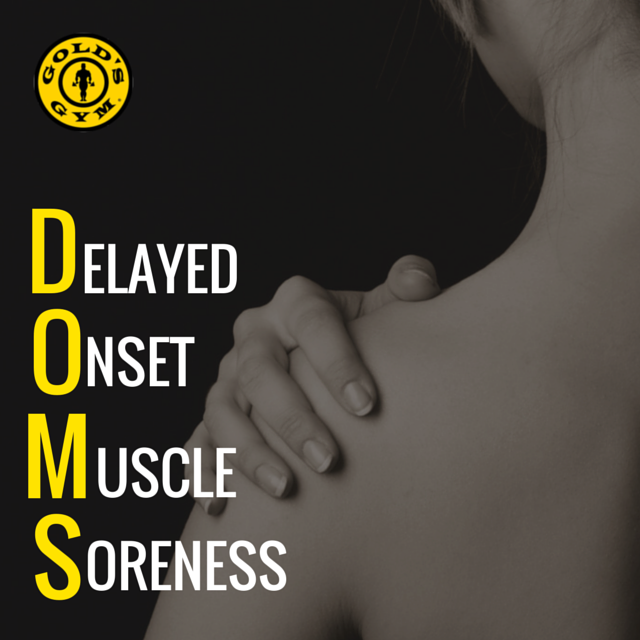
Have you ever experienced muscle soreness a day or two after working out? If yes, then you're likely experiencing what's known as Delayed Onset Muscle Soreness, or DOMS. DOMS is a common condition that affects nearly everyone who engages in physical activity, and can be quite uncomfortable. But what exactly is DOMS, and how can it be treated?
What is DOMS?
DOMS is a type of muscle soreness that typically begins 12-24 hours after engaging in physical activity. It is caused by micro-tears in the muscle tissue, resulting in inflammation and pain. The condition can last anywhere from 24-72 hours, depending on the severity of the muscle damage.
Detail
DOMS is often experienced by individuals who engage in high-intensity exercise, or who are new to physical activity. It can be caused by a variety of factors, including:
- Excessive exercise
- New or unusual exercises
- Lack of warm-up or cool-down
- Poor form or technique
- Dehydration
- Nutrient deficiencies
If you're experiencing DOMS, there are several things you can do to ease the discomfort. Here are some tips:
Tips
- Rest: The first and most important thing you can do is rest. Avoid any activities that aggravate your sore muscles and give your body time to heal.
- Stretch: Gentle stretching can help ease the pain and stiffness associated with DOMS. Focus on the affected muscle group, and hold each stretch for 20-30 seconds.
- Hydrate: Dehydration can exacerbate muscle soreness, so make sure you're drinking enough water throughout the day.
- Magnesium: Magnesium is essential for muscle function and can help reduce muscle soreness. Consider taking a magnesium supplement or incorporating magnesium-rich foods into your diet.
- Massage: Massage can help increase blood flow to the affected area and promote healing. Consider using a foam roller or seeing a professional massage therapist.
FAQ
Here are some frequently asked questions about DOMS:
Q: Is DOMS a sign of a good workout?
A: Not necessarily. DOMS is simply an indication that you've worked your muscles in a new or challenging way. It doesn't necessarily mean that you've had a better workout than if you didn't experience any soreness.
Q: Should I continue to exercise if I have DOMS?
A: It's generally safe to continue moderate exercise with DOMS, but you should avoid any activities that aggravate your sore muscles. Listen to your body and scale back the intensity if necessary.
Q: How can I prevent DOMS?
A: While it's not always possible to prevent DOMS, there are several things you can do to minimize your risk:
- Gradually increase the intensity or duration of your workouts
- Warm up before exercising and cool down afterward
- Focus on proper form and technique
- Stay hydrated and eat a balanced diet
- Take rest days between workouts to give your muscles time to recover
Conclusion
DOMS is a common condition that can be uncomfortable and debilitating. However, with proper treatment and care, it is possible to alleviate the symptoms and prevent future episodes. By following the tips and advice outlined in this article, you can help promote healing and get back to your regular exercise routine in no time.

Post a Comment for "How To Prevent And Manage Exercise-induced Muscle Soreness Or DOMS (Delayed Onset Muscle Soreness)?"