How To Prevent And Manage Exercise-induced Shin Splints Or Stress Fractures?

Introduction
Shin splints and stress fractures are common injuries that can affect anyone who engages in high-impact activities like running, jumping, or dancing. These injuries are not only painful, but they can also keep you from participating in your favorite activities for weeks or even months. Fortunately, there are steps you can take to prevent these injuries from occurring in the first place. In this article, we will outline some effective strategies for preventing shin splints and stress fractures.
Details
The first step in preventing shin splints and stress fractures is to make sure you are wearing the right shoes. Shoes that provide good support and shock absorption can help reduce the stress on your feet and legs. When shopping for shoes, look for those that are designed specifically for your chosen activity. For example, if you run, look for running shoes that are designed to absorb shock and provide stability.
In addition to wearing the right shoes, it is important to gradually increase the intensity and duration of your activity. If you are just starting out with a new activity, don't try to do too much too soon. Instead, start slowly and work your way up to more intense workouts over time. This will give your body time to adjust to the new demands you are placing on it.
Another key to preventing shin splints and stress fractures is to include strength training and stretching in your fitness routine. Strengthening the muscles in your feet, legs, and core can help improve your balance and reduce your risk of injury. Stretching before and after your workouts can also help improve flexibility and reduce your risk of developing muscle imbalances that can lead to injury.
It is also important to stay well-hydrated while you exercise. Dehydration can cause your muscles to cramp up, which can increase your risk of injury. Make sure you drink plenty of water before, during, and after your workouts to keep your body hydrated and functioning at its best.
Tips
Here are some additional tips that can help you prevent shin splints and stress fractures:
- Replace your shoes regularly. Running shoes typically need to be replaced every 300-500 miles to ensure they continue to provide adequate support and shock absorption.
- Gradually increase your workout intensity. Don't try to do too much too soon, or you may end up injuring yourself.
- Incorporate cross-training into your fitness routine. This can help improve your overall fitness level and reduce your risk of injury.
- Focus on dynamic stretching before your workouts. This type of stretching involves moving your muscles through a full range of motion, which can help improve flexibility and reduce your risk of injury.
FAQ
Q: How can I tell if I have shin splints?
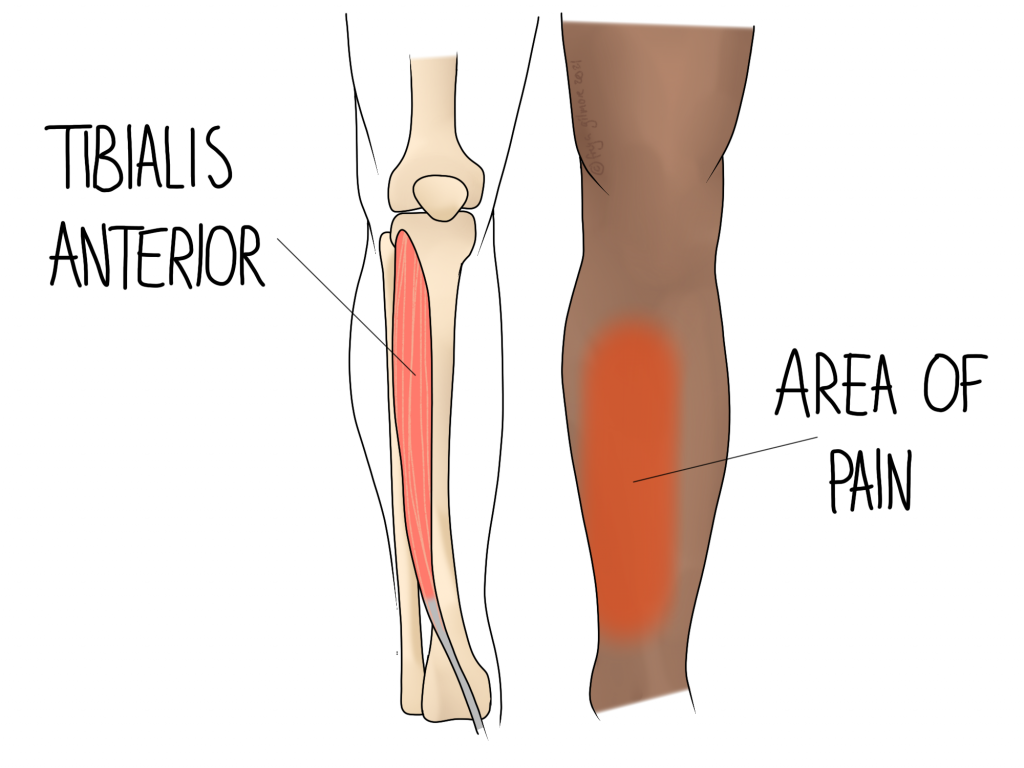
A: Shin splints typically cause pain along the inner edge of the shinbone. The pain may be dull or sharp, and it may be aggravated by physical activity. If you suspect you have shin splints, it is important to see a doctor or physical therapist for an accurate diagnosis.
Q: Can stress fractures heal on their own?
A: Stress fractures are small cracks in the bone that occur as a result of overuse. While some stress fractures may heal on their own with rest, others may require more aggressive treatment like immobilization or surgery. It is important to see a doctor if you suspect you have a stress fracture so that you can receive appropriate treatment.
Q: How long does it take to recover from shin splints?
A: The length of time it takes to recover from shin splints can vary depending on the severity of the injury. In general, mild cases of shin splints may only require a few days of rest and ice, while more severe cases may require several weeks of rest, ice, and physical therapy.
Q: Can I still exercise if I have shin splints?
A: It is generally recommended that you avoid high-impact exercise like running or jumping while you are recovering from shin splints. However, low-impact exercise like swimming or cycling may be safe to do with your doctor's approval.
Conclusion
Shin splints and stress fractures are common injuries that can be debilitating if not prevented. By following the strategies outlined in this article, you can reduce your risk of developing these injuries and continue to enjoy your favorite high-impact activities. Remember to wear the right shoes, gradually increase your workout intensity, include strength training and stretching in your fitness routine, and stay hydrated while you exercise. By taking these steps, you can keep your body healthy and injury-free.

Post a Comment for "How To Prevent And Manage Exercise-induced Shin Splints Or Stress Fractures?"