What Are The Benefits Of Incorporating Yoga Into A Fitness Regimen?
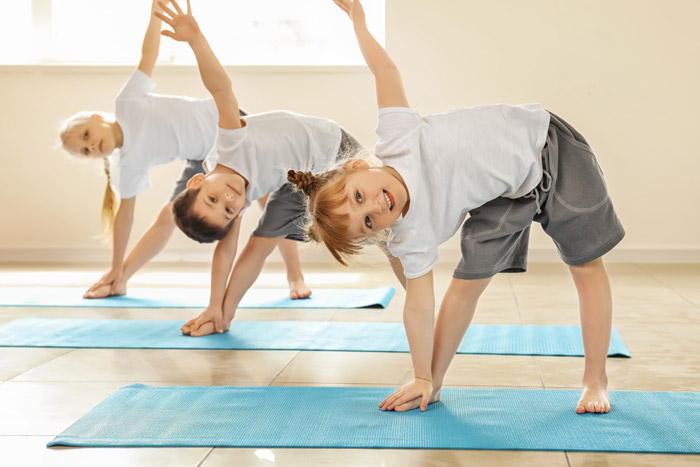
Yoga has become increasingly popular in the West over the past few decades, but did you know that it has its roots in ancient Asian culture?
While the practice has evolved and taken on many different forms since its inception, yoga has always been closely tied to promoting mindfulness and holistic health. And according to recent research, incorporating yoga into the classroom can have major benefits for students of all ages.
In this post, we'll explore some of the key benefits of incorporating yoga into the classroom, as well as sharing some tips and FAQ's to help educators get started.
The Benefits of Yoga in the Classroom
From improving focus to increasing physical activity, there are a myriad of benefits to incorporating yoga into the classroom. Here are just a few:
1. Reduced Stress and Anxiety
Yoga is widely known for its calming effect on the mind and body, making it a great tool for reducing stress and anxiety levels in students. By incorporating yoga into the classroom, teachers can help students develop strategies for managing their emotions and staying calm under pressure.
2. Improved Focus and Attention Span
Research has shown that students who practice yoga regularly have improved cognitive function, including better focus and attention span. By incorporating mindfulness-based practices like yoga into the classroom, teachers can help students stay engaged and focused throughout the day.
3. Increased Physical Activity
As childhood obesity rates continue to rise, it's more important than ever to promote physical activity in schools. Yoga is a low-impact exercise that can be done almost anywhere, making it a great option for integrating movement and physical activity into the classroom.
4. Improved Sleep Patterns
Practicing yoga can have a positive impact on students' sleep patterns, which can in turn improve their overall health and wellbeing. By incorporating yoga into the classroom, teachers can help students get more restful sleep, leading to improved mood and academic performance.
5. Increased Empathy and Kindness
Yoga and mindfulness practices have been shown to increase feelings of empathy and kindness towards others. By incorporating yoga into the classroom, teachers can help foster a more compassionate and supportive learning environment, benefiting students and teachers alike.
Tips for Incorporating Yoga into the Classroom
Now that we've explored some of the many benefits of incorporating yoga into the classroom, let's take a look at some tips for getting started:
1. Start Slow
It's important to start slowly and gradually introduce yoga into the classroom. Begin with a few basic poses and slowly add more over time, allowing students to build confidence and familiarity with the practice.
2. Provide Opportunities for Reflection
Incorporating mindfulness-based practices like yoga requires students to slow down and reflect on their thoughts and feelings. Make sure to set aside time for reflection and discussion after each yoga session, allowing students to process their experiences and insights.
3. Make it Accessible to Everyone
Yoga is a practice that can be modified to suit students of all ages and abilities. Make sure to offer modifications and adaptations for students who may struggle with certain poses or movements, ensuring that everyone can participate and benefit from the practice.
4. Incorporate Mindfulness-Based Activities Throughout the Day
Yoga isn't the only way to incorporate mindfulness into the classroom. Try incorporating breathing exercises, guided meditations, or other mindfulness-based activities throughout the day to help students stay focused and engaged.
5. Lead by Example
As with any new practice, leading by example is key. Make sure to engage in the practice yourself, modeling the behaviors and attitudes you want your students to exhibit.
FAQs about Yoga in the Classroom
What are some examples of yoga poses that can be done in the classroom?
Some easy yoga poses that can be done in the classroom include Cat-Cow, Downward Facing Dog, and Child's Pose. These poses are gentle and accessible to students of all ages and abilities.
Do I need any special equipment to practice yoga in the classroom?
No, you don't need any special equipment to practice yoga in the classroom. You can take advantage of existing classroom resources, such as chairs or desks, to support students during their yoga practice.
How often should yoga be practiced in the classroom?
The frequency of yoga practice in the classroom will ultimately depend on the needs and schedule of each individual class. However, even incorporating short yoga sessions a few times a week can have a positive impact on students' wellbeing and academic performance.
Is yoga suitable for all ages?
Yes, yoga is suitable for individuals of all ages and abilities. By adapting the practice to suit the needs and abilities of students, teachers can ensure that everyone can participate and benefit from the practice.
Can yoga really improve academic performance?
Yes, research has shown that practicing yoga regularly can lead to improved cognitive function, including better focus and attention span. By reducing stress and anxiety levels, providing opportunities for physical activity, and fostering a supportive learning environment, yoga can be a powerful tool for enhancing academic performance.
Conclusion
Incorporating yoga into the classroom is a simple yet effective way to support students' physical and emotional wellbeing. By promoting mindfulness and holistic health, teachers can help students develop the skills and strategies they need to thrive in and out of the classroom.
Whether you're a teacher or a parent, we hope this post has provided you with some useful tips and insights for incorporating yoga into your child's daily routine. So why not give it a try today and see the benefits for yourself?
Post a Comment for "What Are The Benefits Of Incorporating Yoga Into A Fitness Regimen?"