What Is The Importance Of Post-workout Nutrition For Muscle Glycogen Replenishment And Recovery?

In today's world, it's common to think that more is better. We often push ourselves beyond our limits to achieve our goals, but at what cost? Recovery is an essential component of any training program, and it's time we start prioritizing it. Here are six key elements of recovery that will help you train harder and smarter.
1. Sleep
Sleep is one of the most important aspects of recovery. It's during sleep that your body repairs and regenerates itself. Aim for at least seven to eight hours of sleep per night to ensure adequate recovery.
2. Nutrition
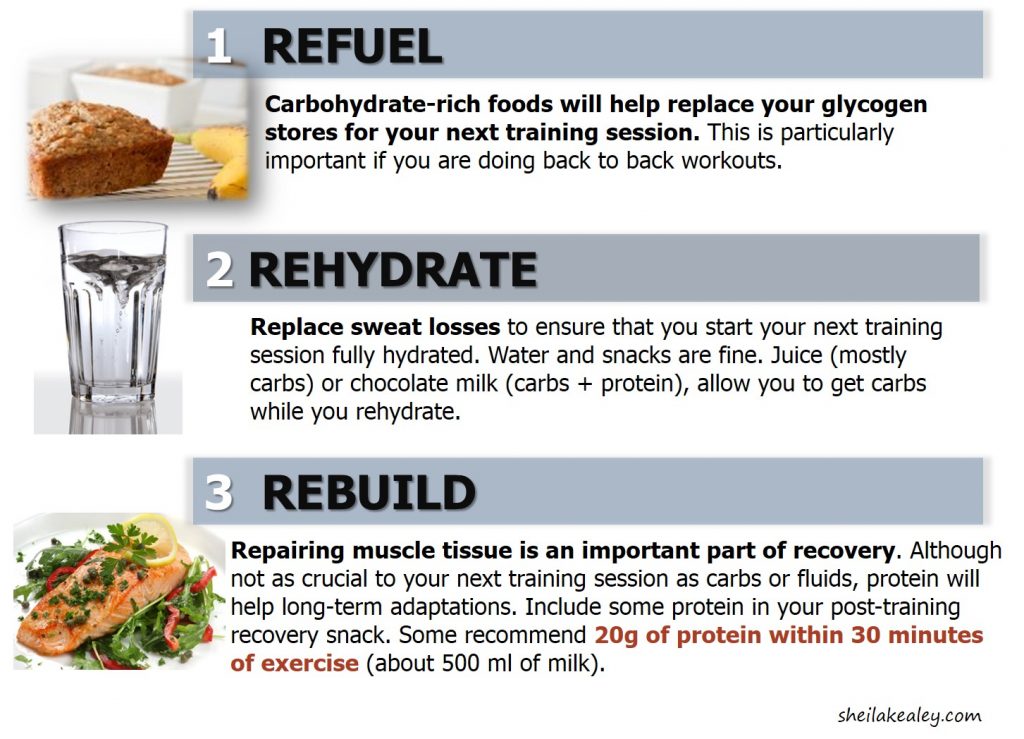
Proper nutrition is vital for recovery. Consuming a balance of carbohydrates, protein, and healthy fats will help replenish energy stores and repair muscle tissue. Aim to consume a meal or snack containing protein within 30 minutes of your workout.
3. Hydration
Staying hydrated is critical for optimal recovery. Water helps transport nutrients to your cells and remove waste products. Aim to drink at least half of your body weight in ounces of water per day.
4. Stretching
Stretching can help improve flexibility and range of motion, which can decrease the risk of injury and improve athletic performance. Incorporate dynamic stretching before your workout and static stretching after.
5. Active Recovery
Active recovery is a low-intensity exercise that helps facilitate recovery by increasing blood flow to the muscles. Examples include walking, yoga, or swimming.
6. Rest Days
Rest days are essential for recovery. They allow your body to repair and regenerate itself. Incorporate at least one rest day per week into your training program.
Detail
Recovery is often overlooked but is a crucial component of any training program. Neglecting recovery can lead to fatigue, injury, and decreased performance. By prioritizing recovery, you will be able to train harder and smarter, leading to better results.
Tips
- Use a foam roller or massage ball to help release muscle tension.
- Take an ice bath or use a cold compress to reduce inflammation.
- Listen to your body, and adjust your training program as needed.
FAQ
1. How often should I rest?
It's essential to listen to your body and take rest days as needed. In general, aim to incorporate at least one rest day per week into your training program.
2. Can I still exercise on my rest day?
Absolutely! Active recovery, such as walking or yoga, can be beneficial on rest days. It's important to keep the intensity low to facilitate recovery.
3. Do I need to stretch every day?
No, it's not necessary to stretch every day. However, incorporating stretching into your warm-up and cool-down can help improve flexibility and decrease the risk of injury.
4. How much water should I drink?
Aim to drink at least half of your body weight in ounces of water per day. For example, if you weigh 150 pounds, aim to drink at least 75 ounces of water per day.
5. Can I recover too much?
No, you can never recover too much. In fact, prioritizing recovery can help improve athletic performance and prevent injuries.
Overall, recovery is an essential component of any training program. By incorporating these six key elements into your routine, you will be able to train harder and smarter, leading to better results.

Post a Comment for "What Is The Importance Of Post-workout Nutrition For Muscle Glycogen Replenishment And Recovery?"