What Is The Importance Of Proper Breathing Techniques During Exercise?
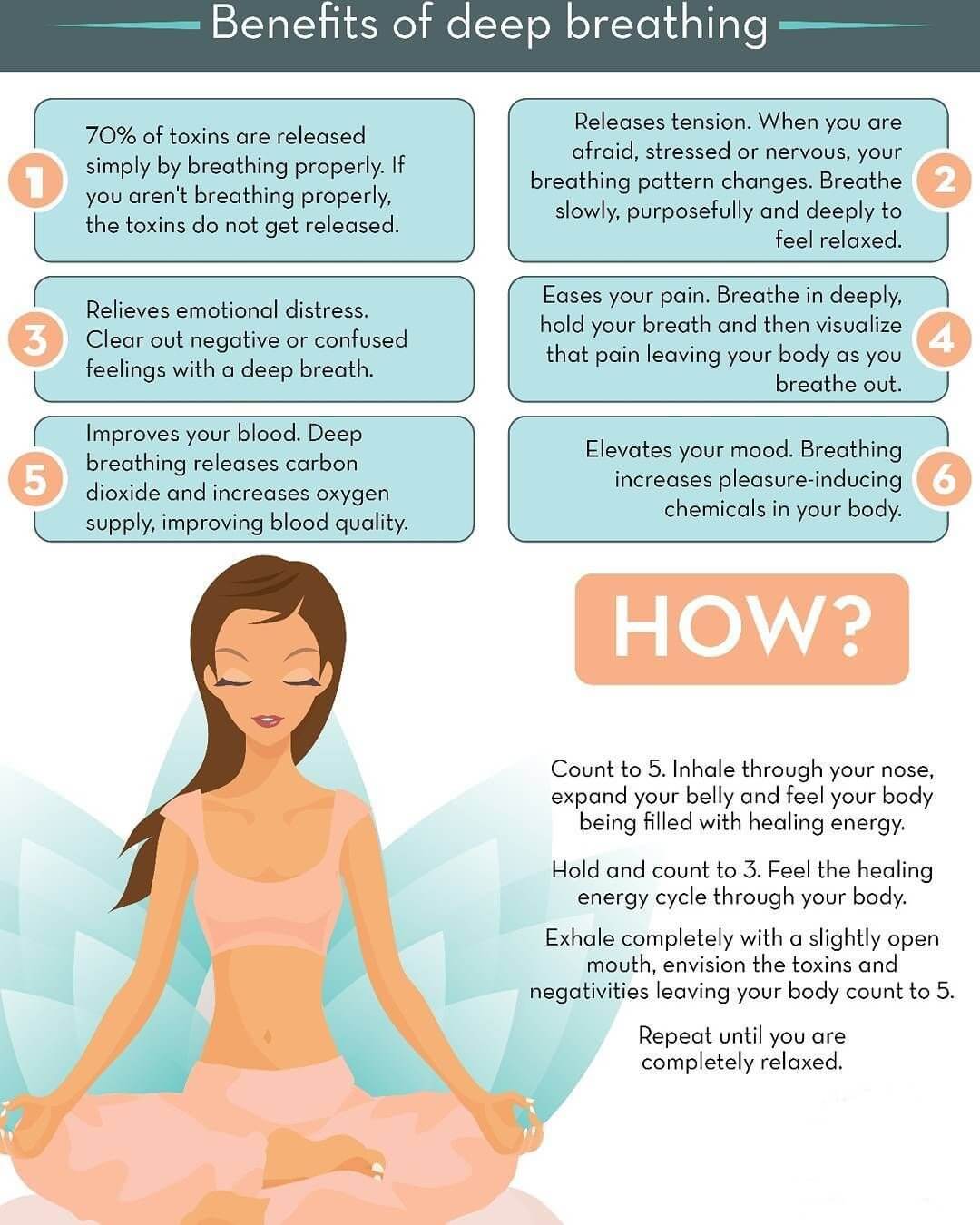
Deep breathing techniques have been practiced for centuries in many different cultures. Meditators, yogis, and relaxation enthusiasts have long touted the proven benefits of deep breathing for stress relief and overall health and well-being. In this article, we'll explore the many benefits of deep breathing techniques and show you some tips for getting started.
The Benefits of Deep Breathing Techniques
There are many benefits to practicing deep breathing techniques on a regular basis. Here are just a few:
1. Reduces Stress
The simple act of taking a deep breath can help alleviate stress and tension in the body. By focusing on the breath and taking slow, deep inhales and exhales, we activate the parasympathetic nervous system, which helps to reduce stress levels.
2. Lowers Blood Pressure
Deep breathing can help to lower blood pressure by reducing the levels of stress hormones in the body. This, in turn, allows the heart to work more efficiently and helps to improve overall cardiovascular health.
3. Enhances Relaxation
Practicing deep breathing techniques can help to induce a state of deep relaxation in the body. This can be particularly helpful for people who suffer from anxiety and sleep disorders.
4. Improves Digestion
Deep breathing can also help to improve digestion by stimulating the parasympathetic nervous system and increasing blood flow to the digestive system. This can lead to better digestion and absorption of nutrients.
5. Boosts Immune System
Studies have shown that deep breathing can help to boost the immune system by increasing the levels of natural killer cells in the body. These cells are responsible for fighting off infections and diseases.
6. Increases Energy
Deep breathing can also help to increase energy levels by improving circulation and oxygenation in the body. This can help to reduce feelings of fatigue and help you feel more alert and focused throughout the day.
7. Improves Cognitive Function
Deep breathing can help to improve cognitive function by increasing blood flow and oxygenation to the brain. This can help to improve memory, focus, and concentration.
8. Reduces Muscle Tension
Finally, deep breathing can help to reduce muscle tension and improve flexibility by increasing blood flow and relaxing the muscles. This can be particularly helpful for people who suffer from chronic pain and stiffness.
How to Practice Deep Breathing Techniques
Now that we've explored the many benefits of deep breathing techniques, let's take a look at how to practice them. Here are some tips to get you started:
1. Find a Quiet Place
It's important to find a quiet place to practice deep breathing where you won't be disturbed by noise or distractions. This can be your bedroom, a quiet room in your house, or even a park or other outdoor space.
2. Get Comfortable
Next, get comfortable. Find a comfortable sitting position or lie down on your back. Make sure you are wearing loose, comfortable clothing.
3. Breathe Slowly and Deeply
Begin to breathe slowly and deeply, inhaling through your nose and exhaling through your mouth. Focus on the sensation of the breath moving in and out of your body. Try to make each inhale and exhale last for several seconds.
4. Count Your Breaths
As you begin to feel more comfortable with deep breathing, try counting your breaths. Inhale for a count of four, hold your breath for a count of four, and exhale for a count of four. Repeat this cycle several times.
5. Use a Guided Meditation
If you're having trouble focusing on your breath, try using a guided meditation. There are many free meditation apps and websites that offer guided meditations specifically designed for deep breathing.
6. Practice Regularly
The key to reaping the benefits of deep breathing is to practice regularly. Try to set aside a few minutes every day to practice deep breathing. Over time, you'll begin to notice the many benefits of this simple but powerful practice.
Tips for Deepening Your Deep Breathing Practice
Here are some tips for deepening your deep breathing practice:
1. Use Visualizations
One way to deepen your deep breathing practice is to use visualizations. When you inhale, visualize filling your body with clean, fresh air. When you exhale, visualize releasing tension and negativity from your body.
2. Practice in Nature
Another way to deepen your deep breathing practice is to practice in nature. Find a quiet park or outdoor space where you can connect with the natural world while you breathe.
3. Experiment with Different Techniques
There are many different deep breathing techniques to choose from. Experiment with different techniques to find the one that works best for you. Try box breathing, diaphragmatic breathing, or alternate nostril breathing to mix things up.
FAQs About Deep Breathing
1. How long should I practice deep breathing?
It's best to start with just a few minutes of deep breathing per day and gradually work your way up to longer sessions. Aim for at least 10-15 minutes of deep breathing per day for maximum benefits.
2. Can deep breathing be dangerous?
No, deep breathing is not considered dangerous. However, if you have certain medical conditions, such as asthma or COPD, you should consult with your doctor before beginning a deep breathing practice.
3. Can deep breathing cure anxiety?
While deep breathing can certainly help to alleviate symptoms of anxiety, it is not a cure for anxiety. If you are dealing with anxiety or other mental health issues, it's important to seek help from a qualified mental health professional.
4. Can deep breathing help me sleep better?
Yes, deep breathing can help to improve sleep quality by promoting relaxation and reducing stress levels. Try incorporating deep breathing into your bedtime routine for maximum benefits.
The Bottom Line
Deep breathing techniques are a simple but powerful tool for improving both physical and mental health. By practicing deep breathing regularly, you can reduce stress, improve digestion, boost immunity, and enjoy many other benefits. So why not give it a try today?


Post a Comment for "What Is The Importance Of Proper Breathing Techniques During Exercise?"