What Is The Importance Of Proper Warm-up Exercises Before Engaging In Physical Activity?

Do you find it hard to get motivated to exercise? Do you often put it off until tomorrow, or next week or even next month? If so, you're not alone. But the benefits of regular physical activity are simply too great to ignore. There's no doubt about it - exercise is good for you, no matter your age, gender or fitness level.
So, what are the benefits of regular physical activity? And why is it so important to make exercise a regular part of your life?
The Benefits of Regular Physical Activity
There are so many benefits to regular physical activity. Here are just a few:
Better Health
It's no secret that regular exercise can help you maintain a healthy weight, reduce your risk of chronic diseases (such as heart disease, stroke, and diabetes), and improve your overall wellbeing. Exercise can also help to improve your immune function, so you're less likely to get sick. In short, exercise can help you live a longer, healthier life.
Boosted Energy Levels
It may seem counterintuitive, but regular exercise can actually increase your energy levels. By getting your heart pumping and your blood flowing, exercise helps to increase the amount of oxygen and nutrients delivered to your muscles. This can help you feel more awake, alert and focused throughout the day.
Improved Mental Health
In addition to its physical benefits, regular exercise has been linked to improved mental health. Exercise has been shown to help reduce symptoms of depression, anxiety and stress, and can improve your mood and self-esteem. Exercise has even been shown to be as effective as medication in treating some mental health conditions.
Better Sleep
Do you struggle to get a good night's sleep? Regular exercise could be the answer. Exercise has been shown to improve sleep quality, so you feel more rested and refreshed when you wake up.
Stronger Bones and Muscles
As we age, our bones and muscles naturally lose strength. But regular exercise can help to keep them strong. By lifting weights or doing resistance exercises, you can help to maintain your muscle mass and bone density as you get older.
Reduced Risk of Falls
Falls are a major cause of injury and disability among older adults. But regular exercise can help to reduce your risk of falls by improving your strength, flexibility and balance.
Improved Brain Function
Regular exercise has also been linked to improved brain function. Exercise can help to increase blood and oxygen flow to the brain, which can help to improve cognitive function and memory.
Tips for Getting Started
So, now that you know the benefits of regular physical activity, how can you get started? Here are a few tips:
- Start Slow: Don't try to do too much too soon. Start with just a few minutes of exercise each day and gradually work your way up.
- Find Something You Enjoy: If you don't enjoy it, you're less likely to stick with it. Find an activity that you enjoy, whether it's walking, swimming, or playing a sport.
- Mix it Up: Don't get bored with your exercise routine. Try different activities to keep things interesting.
- Set Goals: Set realistic goals for yourself and track your progress. This can help to keep you motivated and on track.
- Get a Buddy: Having a workout partner can make exercise more fun and help keep you accountable.
FAQ
Q: How much exercise do I need?
A: It's recommended that adults get at least 150 minutes of moderate-intensity exercise (such as brisk walking) or 75 minutes of vigorous-intensity exercise (such as running or cycling) per week.
Q: What if I have a chronic health condition?
A: If you have a chronic health condition (such as heart disease, diabetes, or arthritis), it's especially important to talk to your doctor before starting an exercise program. Your doctor can help you determine what types and amounts of exercise are safe and effective for you.
Q: Can I still exercise if I have joint pain?
A: Yes, but it's important to choose low-impact exercises that are gentle on your joints. Walking, cycling, swimming, and yoga are all good options.
Q: What if I don't have time to exercise?
A: Even a few minutes of exercise is better than nothing. Try to find ways to incorporate physical activity into your daily routine, such as taking the stairs instead of the elevator or going for a walk during your lunch break.
Conclusion
Exercise is good for you, plain and simple. Whether you're looking to improve your physical health, boost your energy levels, or improve your mental wellbeing, regular physical activity can help. So, why not make exercise a regular part of your life?
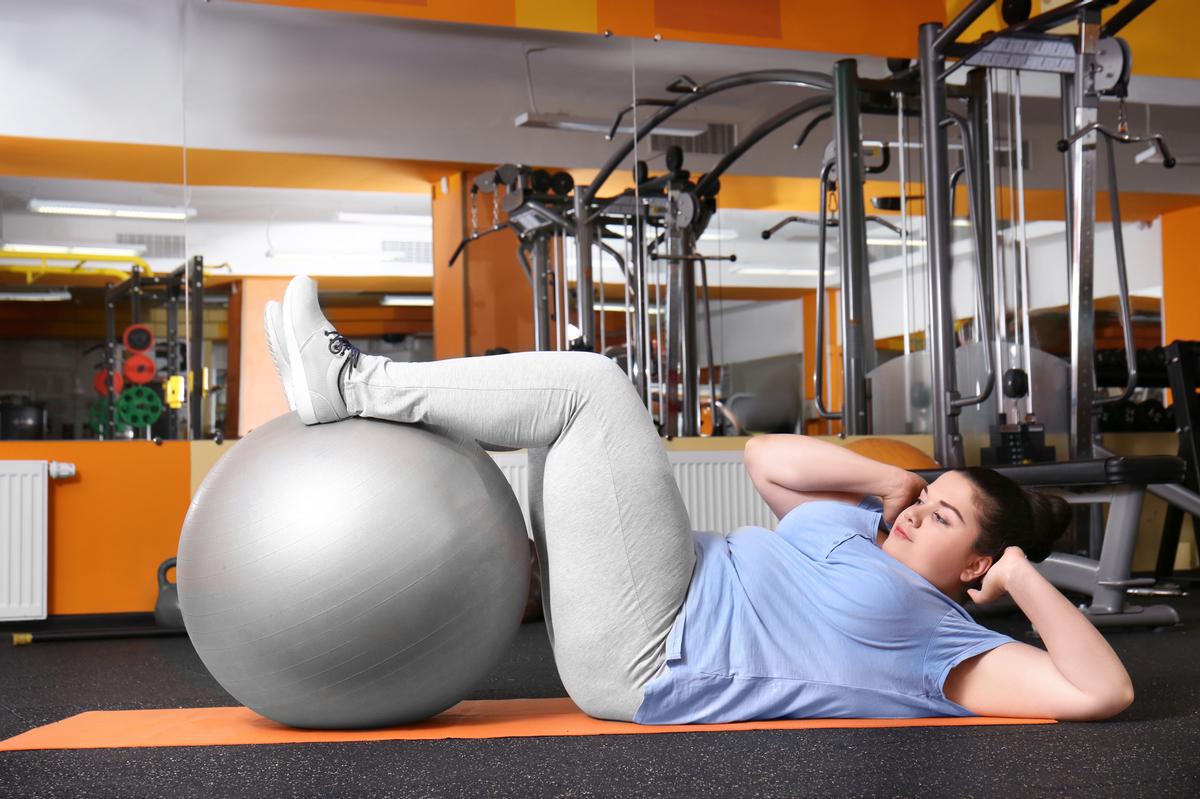

Post a Comment for "What Is The Importance Of Proper Warm-up Exercises Before Engaging In Physical Activity?"