What Is The Role Of Exercise Selection In Muscle Development?
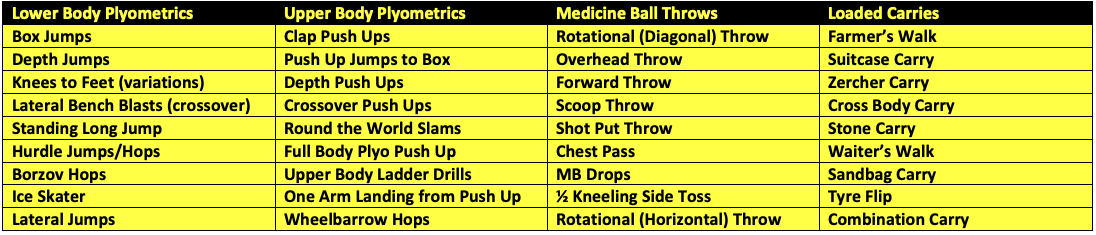
Exercise selection is a crucial component of any workout routine. It's essential to have a well-rounded program that targets different muscle groups and allows for variety to keep your workouts fresh and effective. With so many exercises to choose from, it can be overwhelming to decide which ones are best for you. That's where the Exercise Selection Chart comes in.
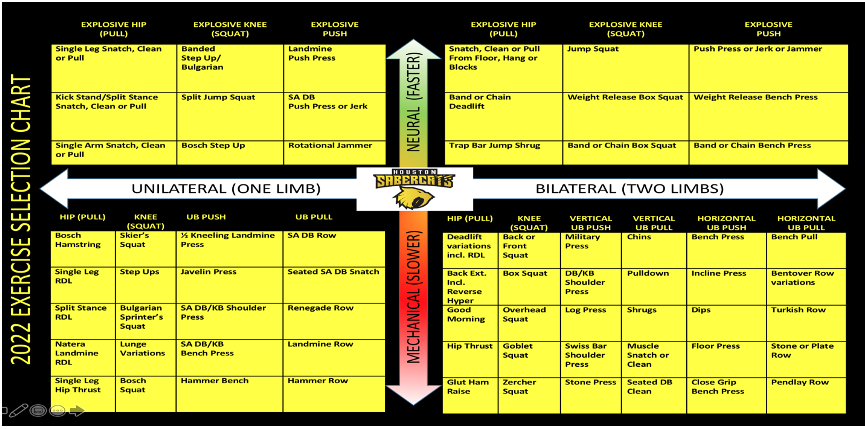
The Exercise Selection Chart is a useful tool that can help you customize your workout routine to target your specific goals. The chart is divided into categories of muscle groups and is color-coded to provide a visual representation of the muscle groups being targeted.
Here's a breakdown of the categories:
Upper Body Push:
The upper body push category targets the muscles used in pushing movements, such as the chest, shoulders, and triceps. Some of the exercises in this category include bench press, push-ups, and shoulder press.
Upper Body Pull:
The upper body pull category targets the muscles used in pulling movements, such as the back, biceps, and forearms. Some of the exercises in this category include pull-ups, rows, and bicep curls.
Lower Body:
The lower body category targets the muscles used in lower body movements, such as the quads, hamstrings, glutes, and calves. Some of the exercises in this category include squats, lunges, and calf raises.
Core:
The core category targets the muscles in the abdomen and lower back. Some of the exercises in this category include planks, sit-ups, and Russian twists.
Conditioning:
The conditioning category targets the cardiovascular system and can include exercises like running, cycling, or rowing.
So, how do you use the chart to customize your workout routine? First, identify your goals. Are you looking to build strength, gain muscle mass, or improve your cardiovascular fitness? Once you've identified your goals, look at the categories on the chart that correspond with those goals. From there, choose exercises that target the specific muscle groups within those categories.
It's also important to mix up your exercises to prevent boredom and ensure you're targeting all of the muscle groups adequately. For example, if you're looking to build strength in your upper body push category, you might include bench press, dips, and overhead press in your routine. However, you wouldn't want to do the same exercises every workout. Instead, switch it up by doing bench press on one day, dips on another day, and overhead press on a different day.
Tips for Using the Exercise Selection Chart:
- Start with the category that corresponds to your primary goal and then choose exercises within that category that target the specific muscles you're looking to work.
- Include a variety of exercises within each category to prevent boredom and ensure you're targeting all of the muscle groups adequately.
- Don't forget to include rest days in your routine to allow your muscles time to recover.
- Always use proper form when performing exercises to prevent injury.
Frequently Asked Questions:
Q: Is the Exercise Selection Chart only for advanced athletes?
A: No, the chart can be used by anyone, regardless of fitness level. It's a useful tool for beginners who are just starting with strength training or for more experienced athletes who are looking to switch up their routine.
Q: Do I have to follow the chart exactly?
A: No, the chart is just a guide. You can customize your workout routine to fit your specific needs and goals.
Q: How often should I switch up my routine?
A: It's a good idea to switch up your routine every four to six weeks to prevent boredom and plateauing.
Overall, the Exercise Selection Chart is a valuable tool that can help you customize your workout routine to target your specific goals. By targeting different muscle groups and including a variety of exercises, you'll see better results and prevent boredom. Plus, it's a great way to ensure you're not neglecting any muscle groups and to prevent overuse injuries.

Post a Comment for "What Is The Role Of Exercise Selection In Muscle Development?"