What Is The Role Of Progressive Overload In Building Muscle Strength And Size?
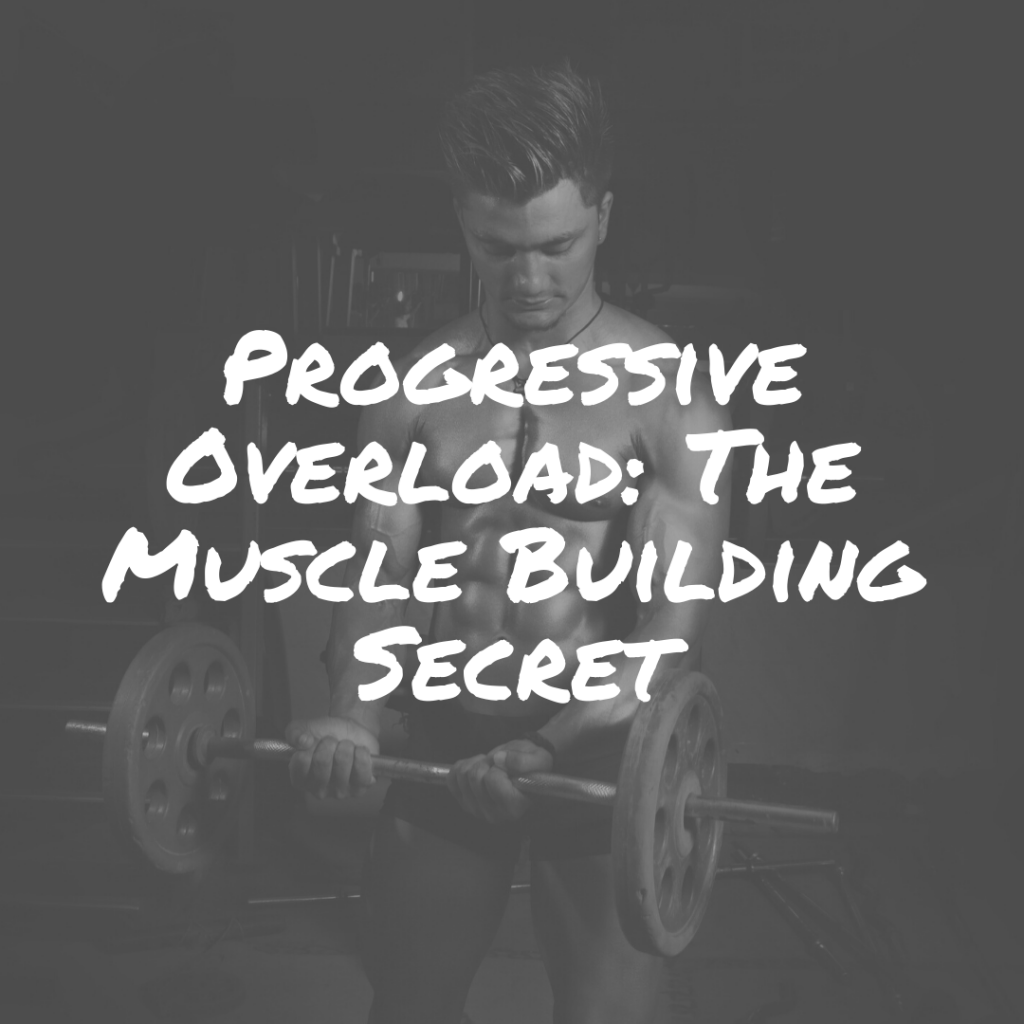
Building muscle can be a challenging task that requires dedication and persistence. There are many different approaches to building muscle, but one key aspect of any successful muscle-building routine is progressive overload. This principle involves gradually increasing the amount of weight you lift or the number of reps you perform in order to continually challenge your muscles and promote growth and strength.
In this article, we'll explore the concept of progressive overload and how you can apply it to your own muscle-building routine for optimal results.
The Basics of Progressive Overload
Progressive overload is a principle of strength training that involves gradually increasing the stress placed on your muscles over time. This can be achieved by adding more weight to your lifts, increasing the number of reps or sets you perform, or reducing the amount of rest between sets.
Essentially, progressive overload is all about challenging your muscles to adapt and grow stronger in response to increased demands. By pushing your muscles beyond their current limits, you create a stimulus that triggers the growth and repair processes that are necessary for muscle growth.
The Benefits of Progressive Overload
Using progressive overload in your muscle-building routine offers a number of benefits that can help you achieve your goals more effectively. Here are a few key advantages:
- Increased muscle size and strength: By continually increasing the demands placed on your muscles, you create an environment that is conducive to muscle growth and strength gains.
- Reduced risk of plateaus: As your muscles adapt to the demands of your workouts, you may eventually reach a point where you are no longer making progress. By using progressive overload, you can continue to challenge your muscles and avoid hitting a plateau.
- Better overall fitness: When you push your muscles to work harder and lift heavier weights, you also improve your cardiovascular health, endurance, and overall fitness.
How to Apply Progressive Overload to Your Routine
Now that you understand the benefits of progressive overload, it's time to think about how you can apply this principle to your own muscle-building routine. Here are a few strategies to consider:
- Increase the weight: One of the simplest ways to implement progressive overload is to gradually increase the weight you lift. Start with a weight that is challenging but manageable, and then gradually increase the weight as you get stronger. Aim to increase the weight by no more than 5-10% each week.
- Increase the reps: Another option is to increase the number of reps you perform. This can be effective for bodyweight exercises or exercises where you are limited by the amount of weight you have available.
- Increase the sets: Adding more sets to your workouts can also be an effective way to challenge your muscles and promote growth. Just be sure to allow adequate rest time between sets to avoid overtraining.
- Reduce rest time: If you're looking for a challenge without adding more weight or reps, you can try reducing the amount of rest time between sets. This can help to increase the metabolic demands on your muscles and create a greater challenge.
Tips for Effective Progressive Overload
Implementing progressive overload in your muscle-building routine requires careful planning and strategy. Here are a few tips to help you get the most from this principle:
- Track your progress: Keep a log of your workouts and monitor your progress over time. This will help you track your gains and identify areas where you need to increase the challenge.
- Be consistent: Consistency is key when it comes to progressive overload. Aim to increase the challenge gradually over time, rather than making sudden jumps in weight or reps.
- Listen to your body: Pay attention to how your body responds to the demands of your workouts, and be sure to back off if you experience pain or discomfort.
- Consult a professional: If you're new to weightlifting or strength training, consider consulting a professional trainer or coach to help you develop a safe and effective routine.
FAQ
What is the best way to increase weight when using progressive overload?
The best way to increase weight when using progressive overload is to gradually add weight over time. Aim to increase the weight by no more than 5-10% each week, and be sure to listen to your body and back off if you experience pain or discomfort.
Can I use progressive overload with bodyweight exercises?
Yes, you can use progressive overload with bodyweight exercises by gradually increasing the number of reps or sets you perform, or by making the exercise more challenging (such as by performing the exercise on an unstable surface).
How often should I increase the weight?
The frequency of weight increases will depend on your individual goals and level of experience. Beginners may be able to increase the weight every 2-3 weeks, while more advanced lifters may need to increase the weight less frequently (such as every 6-8 weeks).
Conclusion
Progressive overload is an essential principle of muscle-building that can help you achieve your fitness goals more effectively. By gradually increasing the demands placed on your muscles, you create an environment that promotes strength gains and muscle growth. Whether you're new to strength training or a seasoned lifter, be sure to incorporate progressive overload into your routine for optimal results.


Post a Comment for "What Is The Role Of Progressive Overload In Building Muscle Strength And Size?"