How To Prevent And Manage Exercise-related Muscle Spasms Or Cramps?
Spasticity is a common symptom of multiple sclerosis that affects around 80% of those who suffer from MS. Despite being such a common symptom, many people with MS still have no idea what spasticity is and what they can do to manage it.
Firstly, it's important to understand that spasticity is not the same thing as muscle weakness. Instead, spasticity refers to muscle stiffness and involuntary muscle spasms which are often accompanied by pain.
Spasticity is caused by damage to the part of the brain or spinal cord that controls muscle movement, resulting in an imbalance of signals. This can cause some muscles to contract constantly, resulting in stiffness and spasms.
So, how can you manage spasticity?
Details
There are several treatments available that, when used properly, can help manage spasticity and improve quality of life. The most common treatment is medication, which can be prescribed by your doctor based on your individual symptoms. There are also several non-pharmacological treatments, such as physiotherapy, that have been shown to have a positive impact on spasticity.
It's important to work with your healthcare team to find the right combination of treatments for you as spasticity can vary widely between individuals. It’s important to note that medication is not always the answer, so it pays to explore a range of options before settling on a treatment plan.
Tips
There are also several things you can do at home to help manage spasticity.
- Stretching: Regular stretching can help to keep your muscles flexible and prevent stiffness. A physiotherapist can provide you with a comprehensive stretching routine that is tailored to your individual needs.
- Heat therapy: Applying heat to stiff muscles can help to reduce tension and relieve pain. You can use a heating pad, hot water bottle or take a hot bath to help soothe your muscles.
- Cooling therapy: Some people find that applying cold to their muscles can help to reduce spasticity. An ice pack or a cold water compress can be used to help cool down muscles and reduce pain.
- Massage: Regular massage can help to reduce muscle tension, improve flexibility and reduce pain. Find a massage therapist who is experienced in working with people with MS.
- Diet: Some people find that certain foods can trigger spasticity. Pay attention to the foods you eat and keep a food diary to identify any trigger foods.
FAQ
Q: Can spasticity be cured?
No, there is currently no cure for spasticity. However, there are several treatments available that can help to manage the symptoms.
Q: Is spasticity a common symptom of MS?
Yes, spasticity affects around 80% of those who suffer from MS.
Q: Will my spasticity get worse over time?
Spasticity may worsen over time if left untreated. It’s important to work with your healthcare team to find the right treatment plan for you to manage your spasticity.
Q: Can spasticity affect my ability to walk?
Yes, severe spasticity can sometimes affect a person's ability to walk. However, with the right treatment plan, most people with spasticity are able to maintain their mobility.
Q: Can spasticity be mistaken for muscle weakness?
Yes, spasticity can sometimes be mistaken for muscle weakness as the symptoms can be similar. It’s important to consult with your healthcare team if you are experiencing any unusual symptoms, including spasticity.
In conclusion, spasticity is a common symptom of MS that can have a significant impact on a person's quality of life. However, with appropriate treatment and lifestyle modifications, it is possible to manage spasticity effectively and regain some control over your life.

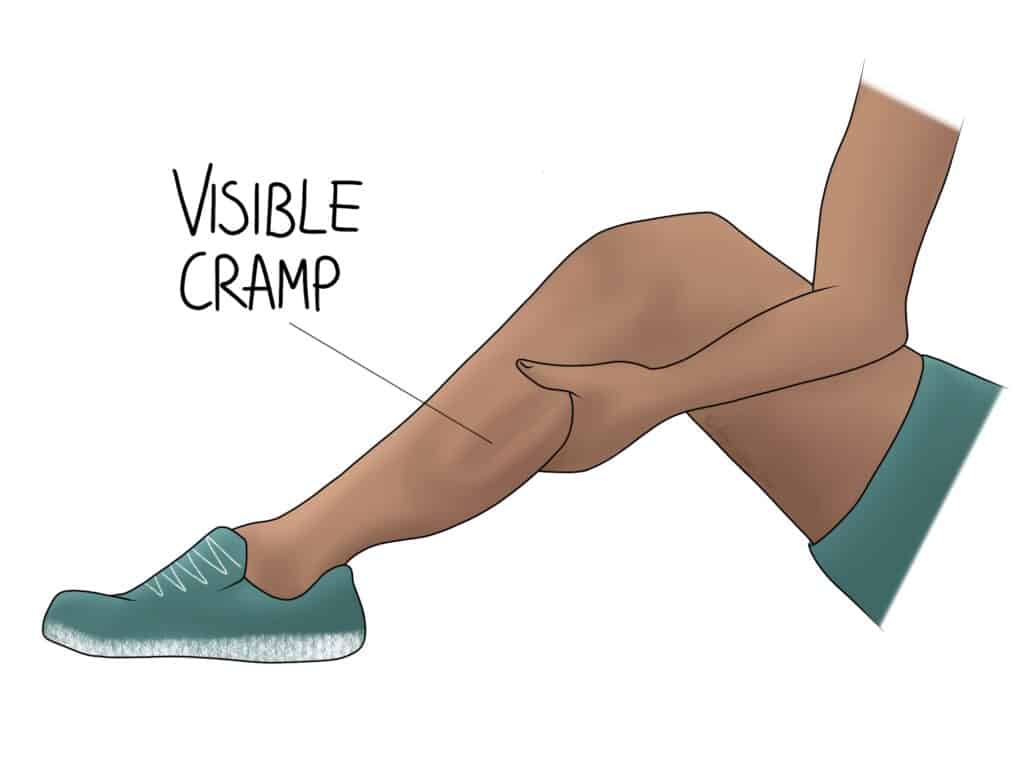

Post a Comment for "How To Prevent And Manage Exercise-related Muscle Spasms Or Cramps?"