How To Prevent And Manage Exercise-related Muscle Cramps Or Spasms?

Oh, the pain of a muscle cramp! It strikes suddenly and can be enough to put you off exercise for good. But fear not, funny people, because we've got some tips and tricks to ensure that you never have to experience this horror again.
Tips for preventing muscle cramps
Firstly, make sure you're properly hydrated. Dehydration can cause cramps, so drink water before, during and after exercising. (Even if it means you have to pee every five minutes.)
Stretching is also key to preventing cramps. Make sure you're not skipping your warm-up or cool-down stretches. And, if you're prone to cramps in a certain area (like your calf), make sure you're stretching that area well.
Another way to prevent muscle cramps is by including a variety of foods in your diet. Bananas, for example, are high in potassium, which helps to prevent cramps. (Plus, they're a great snack to munch on during your workout.)
Invest in a foam roller. They're great for massaging and stretching out muscles, which can help alleviate the likelihood of cramps.
Taking magnesium supplements can also help prevent muscle cramps. Magnesium is an important mineral in muscle function, and studies have shown it can help prevent cramps. (Plus, if you take too much, you might end up spending the day on the toilet, which could be quite amusing.)
Make sure you're not overdoing it. If you're new to exercising, build up gradually. Overexertion can lead to muscle fatigue and cramps.
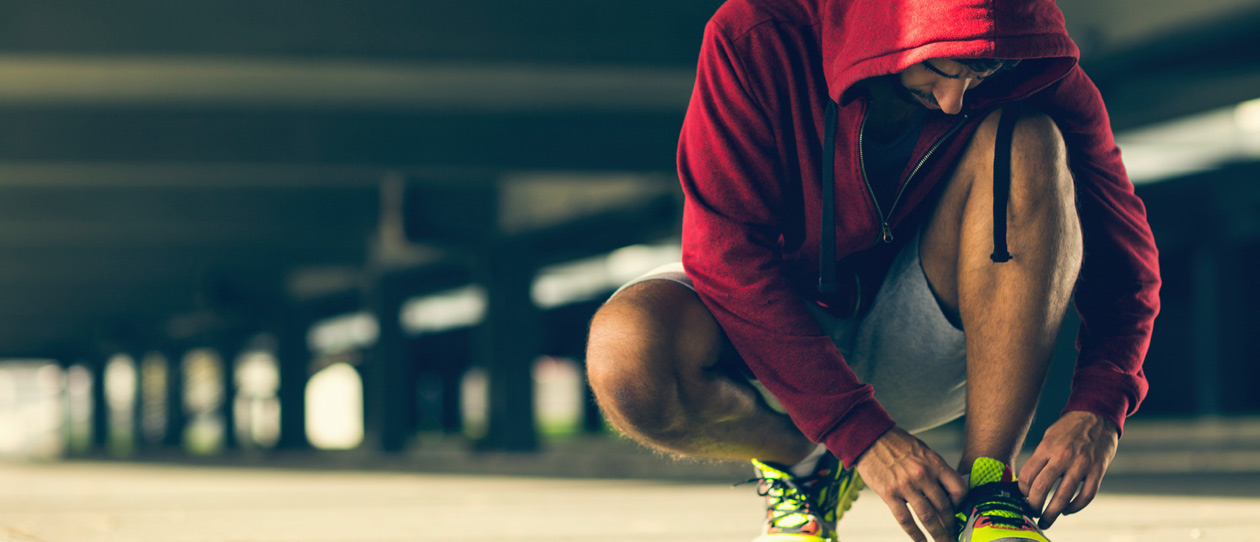
Finally, make sure you're wearing the right shoes. If your footwear doesn't provide enough support, you're more likely to experience cramps.
The devil is in the details
Now, let's dig a little deeper into each of these tips.
Stay hydrated
When you're dehydrated, your muscles are more prone to cramps. So, make sure you're drinking enough water before, during and after exercising. The American Council on Exercise recommends drinking 17-20 ounces of water two hours before exercising, and then 7-10 ounces of water every 10-20 minutes during exercise. (Just don't forget to leave time for pee breaks.)
If you're prone to cramps during the night, it might be worth drinking a glass of water before bed, too. The extra hydration might help prevent those cramps from striking.
Stretch it out
Make sure you're stretching before and after your workout. But, make sure you're not overstretching - this can actually cause cramps! Instead, focus on stretching the areas where you're prone to cramps, and don't forget to include your shoulders, back and neck in your stretches. (You don't want cramps there either.)
Another great way to stretch out those cramps is with a foam roller. Use it to massage the areas where you're prone to cramps, and you might find that they become a thing of the past.
Eat right
As we mentioned earlier, bananas are great for preventing cramps. But, they're not the only food that can help. Other potassium-rich foods include potatoes, sweet potatoes, avocados, spinach, and lentils. (Just don't combine them all in one meal, or you could end up with some serious gas.)
You should also make sure you're getting enough calcium and magnesium in your diet. Foods that are high in calcium include dairy products, leafy green vegetables and tofu. Foods that are high in magnesium include almonds, spinach, cashews and peanuts. (If you're feeling brave, why not try blending them all together in a smoothie?)
Take magnesium supplements
If you're not getting enough magnesium in your diet, taking a supplement can help. The recommended daily intake of magnesium is around 320-420mg per day for adults, but make sure you talk to your doctor before taking any supplements.
You might also want to try Epsom salt baths. Epsom salts are high in magnesium, so soaking in an Epsom salt bath can help reduce inflammation and prevent cramps. (Plus, they're a great excuse to take a relaxing bath.)
Don't overdo it
If you're new to exercising, make sure you're not overdoing it. Start slowly and gradually build up your strength and endurance. This will help prevent muscle fatigue and cramps. (Plus, it means you don't have to go to the gym every day, which is always a bonus.)
Wear the right shoes
Your footwear can have a big impact on whether or not you experience cramps. Make sure you're wearing shoes that provide enough support, especially if you're running or doing high-impact exercises. (And if you can't find the right shoes, just wear your slippers to the gym. Who cares if you look silly?)
FAQ
What causes muscle cramps?
There are a number of factors that can cause muscle cramps, including dehydration, muscle fatigue, mineral deficiencies (such as magnesium and potassium), and poor circulation. Certain medications and medical conditions can also cause muscle cramps, so if you're experiencing them regularly, it's worth talking to your doctor.
How can I prevent cramps during the night?
As we mentioned earlier, staying hydrated can help prevent cramps during the night. You can also try stretching before bed, massaging the affected area, or using a heating pad or hot water bottle to relax the muscles.
What should I do if I experience a muscle cramp?
The most important thing to do when you experience a muscle cramp is to stretch the affected muscle. You can also try massaging the area, applying heat or ice, or taking a warm bath or shower. If the cramp is really bad, over-the-counter pain medication can also help. (Or just scream really loudly until it goes away.)
Conclusion
Muscle cramps can be a real pain in the butt, but they don't have to be a part of your exercise routine. By staying hydrated, stretching, eating right and wearing the right shoes, you can help prevent cramps from striking. And, if all else fails, just remember to scream really loudly until the pain goes away.

Post a Comment for "How To Prevent And Manage Exercise-related Muscle Cramps Or Spasms?"