How To Prevent And Manage Exercise-related Wrist Strains Or Sprains?
When it comes to work-related injuries, strains and sprains are some of the most common and debilitating ailments that workers can experience. These injuries can result in significant pain, immobility, and lost productivity, and they can take weeks or even months to fully heal. However, by understanding the causes of these injuries and implementing effective prevention and treatment strategies, workers can protect themselves from the risks associated with strains and sprains.
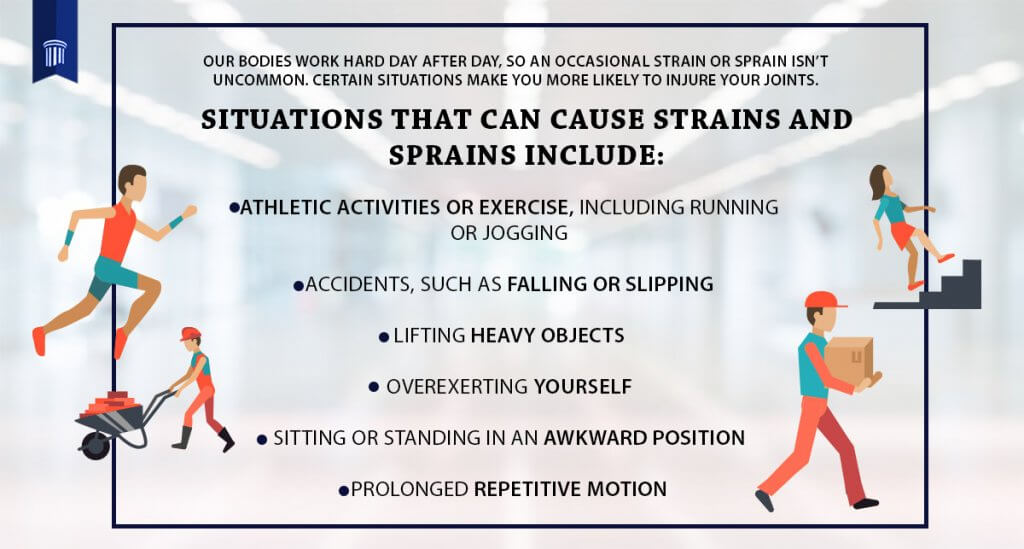
Understanding Strains and Sprains
Strains and sprains are types of soft tissue injuries that can occur when muscles, ligaments, or tendons are stretched or torn. Typically, these injuries result from sudden movements or overexertion, such as lifting heavy objects, twisting awkwardly, or engaging in repetitive motions. These injuries can affect any part of the body, but they are most common in the back, neck, shoulders, knees, and ankles.
While strains and sprains share many similarities, they do have some key differences. In general, strains involve damage to muscles, whereas sprains involve damage to ligaments. Additionally, sprains are typically considered more severe than strains, and they may require more extensive treatment and rehabilitation.
Preventing Strains and Sprains
Fortunately, there are many strategies that workers can use to prevent strains and sprains from occurring in the first place. Some of the most effective prevention methods include:
- Using proper lifting techniques, such as bending at the knees and keeping the back straight
- Using tools and equipment designed to reduce strain and minimize awkward postures
- Taking regular breaks to stretch and rest the muscles and joints
- Maintaining a healthy weight and engaging in regular exercise to improve flexibility and strength
- Wearing appropriate footwear and protective gear, such as support braces or knee pads
Treating Strains and Sprains
If a worker does experience a strain or sprain, it is important to seek prompt medical attention in order to prevent further damage and promote healing. Depending on the severity of the injury, treatment may include:
- Rest and immobilization
- Icing the affected area to reduce swelling and pain
- Taking pain medication to manage discomfort
- Physical therapy exercises to promote healing and restore range of motion
- Surgery in severe cases
Common Myths About Strains and Sprains
Unfortunately, there are many myths and misconceptions surrounding strains and sprains that can prevent workers from seeking proper treatment. Some of the most common myths include:
- Myth: You should apply heat to strains and sprains to promote healing
- Fact: In most cases, ice is more effective at reducing pain and inflammation
- Myth: Strains and sprains will heal on their own without medical intervention
- Fact: While minor strains and sprains may heal on their own, more severe injuries typically require medical attention and rehabilitation
- Myth: Strains and sprains only happen to athletes and people working in physically demanding jobs
- Fact: Strains and sprains can happen to anyone, regardless of their physical activity level or job requirements
Tips for Returning to Work After a Strain or Sprain
Returning to work after a strain or sprain can be challenging, especially if the injury affects mobility or requires significant accommodations. However, by following these tips, workers can make the transition back to work as smooth and comfortable as possible:
- Communicate with your employer and coworkers about your injury and any accommodations you may need
- Work with a physical therapist or other medical professional to develop a safe and effective return-to-work plan
- Take frequent breaks and avoid tasks that exacerbate your injury
- Use ergonomic tools and equipment to minimize strain and discomfort
- Gradually increase your workload and work hours as your injury improves
FAQ About Strains and Sprains
Q: How can I tell the difference between a strain and a sprain?
A: Strains typically cause pain, stiffness, and weakness in the affected muscle, while sprains typically cause pain, swelling, and bruising around the affected joint.
Q: Can I continue working if I have a strain or sprain?
A: It depends on the severity of the injury and the nature of your job. Workers with minor strains or sprains may be able to continue working with accommodations, while those with more severe injuries may require time off work.
Q: How can I prevent strains and sprains while working at a desk job?
A: Even workers with desk jobs can experience strains and sprains from sitting in a fixed position for extended periods of time. To prevent these injuries, try to take frequent breaks to stretch and move your muscles, use an ergonomic chair and keyboard, and maintain good posture.
Q: How long does it typically take to recover from a strain or sprain?
A: The length of recovery time depends on the severity of the injury and the individual's overall health and fitness level. Minor strains and sprains may heal within a few days or weeks, while more severe injuries may require several months of rehabilitation.
By implementing effective prevention techniques and seeking prompt medical attention when necessary, workers can protect themselves from the physical and financial costs associated with strains and sprains. Remember, taking care of your body is essential to preventing work-related injuries and ensuring a healthy and productive career.


Post a Comment for "How To Prevent And Manage Exercise-related Wrist Strains Or Sprains?"