How To Prevent And Manage Exercise-induced Shin Splints?
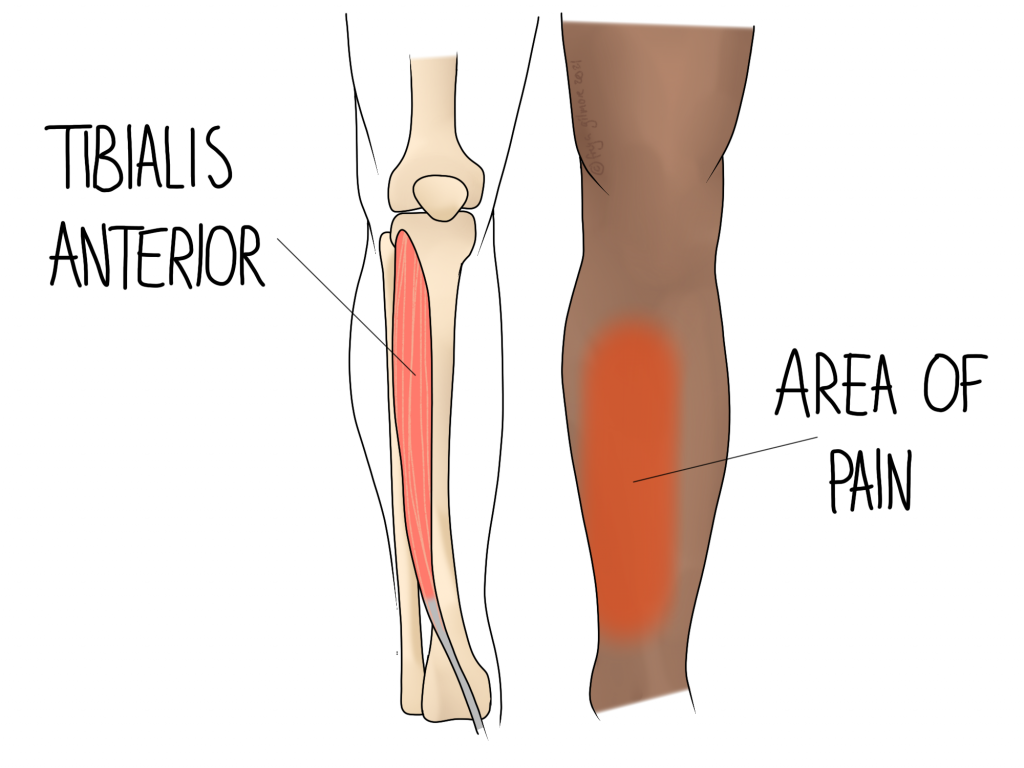
If you are an avid runner or engage in other high-impact sports, it is likely that you have experienced shin splints at some point in your life. Shin splints are a common form of lower leg pain that affect runners and other athletes, and can be a frustrating injury to deal with. In this article, we will discuss everything you need to know about shin splints, including what causes them, how to prevent them, and what to do if you are experiencing this type of pain.
What are Shin Splints?
Shin splints, also known as medial tibial stress syndrome, are a common form of lower leg pain that occurs along the shin bone, or tibia. This pain typically occurs during physical activity, and can be felt on either side of the shin bone. Shin splints are most common in runners and other athletes who engage in high-impact sports or activities that involve repetitive running or jumping.
What Causes Shin Splints?
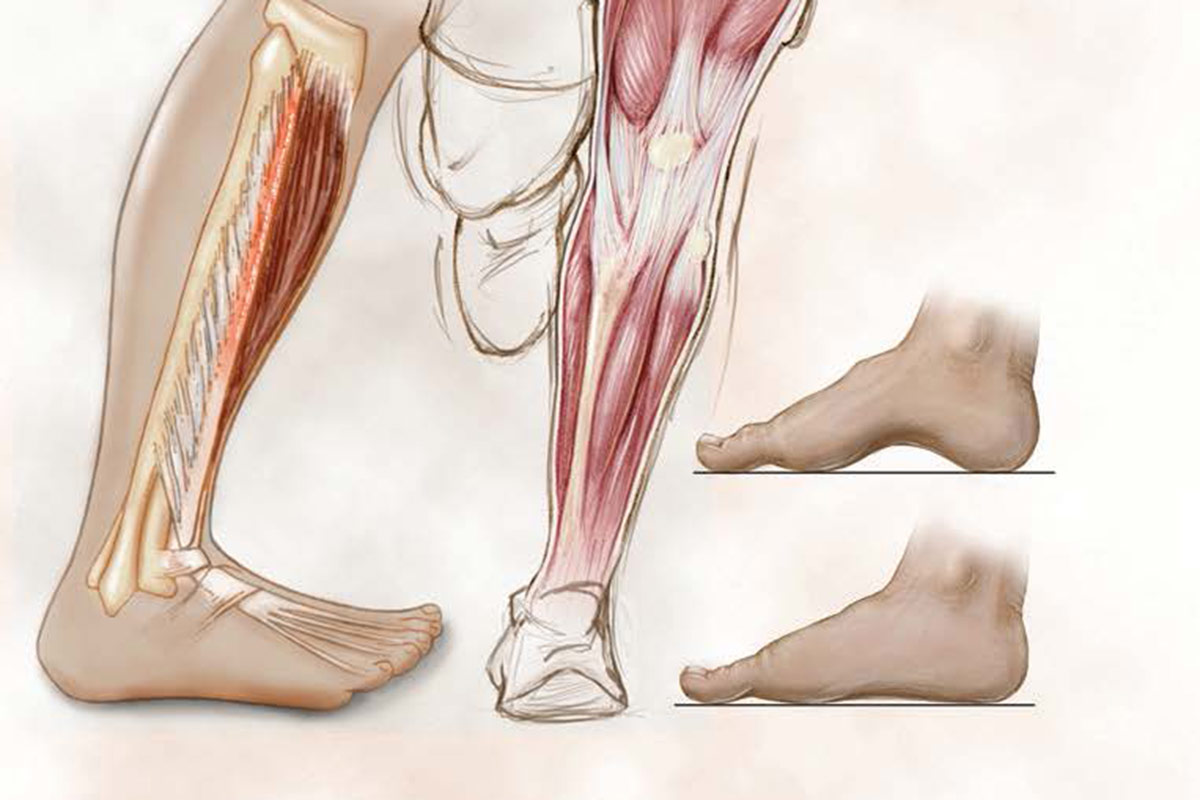
Shin splints are typically caused by overuse of the muscles in the lower leg, often as a result of high-impact activities like running, jumping, or dancing. When the muscles in the lower leg become overworked, they can become inflamed and irritated, which can lead to pain along the shin bone. Other factors that can contribute to the development of shin splints include improper shoes, running on hard surfaces, and overpronation of the feet.
How to Prevent Shin Splints
Preventing shin splints starts with proper preparation. Make sure that you are wearing proper footwear when engaging in high-impact activities, and that your shoes fit well and provide adequate support. You should also avoid running on hard surfaces like concrete or asphalt, and instead opt for softer surfaces like grass or dirt. Stretching before and after exercising can also help prevent shin splints, as can gradually increasing the intensity and duration of your workouts.
What to Do If You Have Shin Splints
If you are experiencing pain along the shin bone, it is important to take a break from high-impact activities and allow your body to rest. Applying ice to the affected area can help reduce inflammation and alleviate pain. Over-the-counter pain medications like ibuprofen can also help alleviate pain and reduce inflammation. In severe cases, physical therapy or other forms of medical intervention may be necessary.
Shin Splints Detail
Shin splints can be uncomfortable and painful, and they can interfere with your ability to engage in physical activity. If you are experiencing pain along the shin bone, it is important to take a break from physical activity and allow your body to rest. In most cases, shin splints will resolve on their own with rest and conservative treatment. If your symptoms persist or worsen, it is important to seek medical attention in order to rule out more serious underlying conditions.
Shin Splints Tips
In addition to resting and allowing your body to recover, there are a few things you can do to help alleviate the symptoms of shin splints. Applying ice to the affected area can help reduce inflammation and numb pain. You may also want to consider taking over-the-counter pain medications like ibuprofen to help alleviate pain and reduce inflammation. Wearing compression socks or sleeves, which can help improve circulation in the lower legs, may also be helpful.
Shin Splints FAQ
Q: How long does it take for shin splints to heal?
A: In most cases, shin splints will resolve on their own within a few weeks with rest and conservative treatment. However, the recovery time can vary depending on the severity of the injury and other factors.
Q: Can you exercise with shin splints?
A: It is generally not recommended to engage in high-impact activities like running or jumping while you are experiencing shin splints. Instead, focus on low-impact activities like swimming or cycling until your symptoms have resolved.
Q: How can I prevent shin splints from recurring?
A: There are several things you can do to help prevent shin splints from recurring. These include wearing proper footwear, warming up before exercising, avoiding hard surfaces like concrete or asphalt, and gradually increasing the intensity and duration of your workouts.
Q: What should I do if my symptoms persist?
A: If your symptoms persist or worsen despite rest and conservative treatment, it is important to seek medical attention in order to rule out more serious underlying conditions.
In conclusion, shin splints can be a frustrating and painful injury to deal with, but with proper rest and treatment, most cases will resolve on their own. If you are experiencing pain along the shin bone, it is important to take a break from physical activity and allow your body to rest. If your symptoms persist or worsen, it is important to seek medical attention in order to rule out more serious underlying conditions.

Post a Comment for "How To Prevent And Manage Exercise-induced Shin Splints?"