What Is The Role Of Periodizing Strength Training For Muscle Adaptation?
Greetings, my fellow fitness enthusiasts. Today we will be discussing the fascinating topic of skeletal muscle adaptation to exercise training. As we all know, exercise is an integral part of maintaining a healthy lifestyle. But what exactly happens to our muscles when we engage in physical activity?
Let's start by talking about the different types of skeletal muscle fibers. There are two main types: slow-twitch (Type I) and fast-twitch (Type II). Slow-twitch fibers are used for endurance activities such as long-distance running, while fast-twitch fibers are used for explosive movements such as sprinting or weightlifting. Interestingly, our muscles can adapt and change depending on the type of exercise we do.
One of the most well-known adaptations of skeletal muscle to exercise is hypertrophy, or an increase in muscle size. This occurs when we engage in resistance training, such as weightlifting. When we lift weights, we cause microscopic damage to our muscle fibers. Our bodies respond to this damage by repairing and rebuilding those fibers, making them larger and stronger in the process.
Another adaptation to exercise is an increase in the number and size of mitochondria in our muscle cells. Mitochondria are the powerhouses of our cells, producing energy for our bodies. This adaptation is particularly important for endurance athletes, as it allows their muscles to produce and use energy more efficiently during long periods of activity.
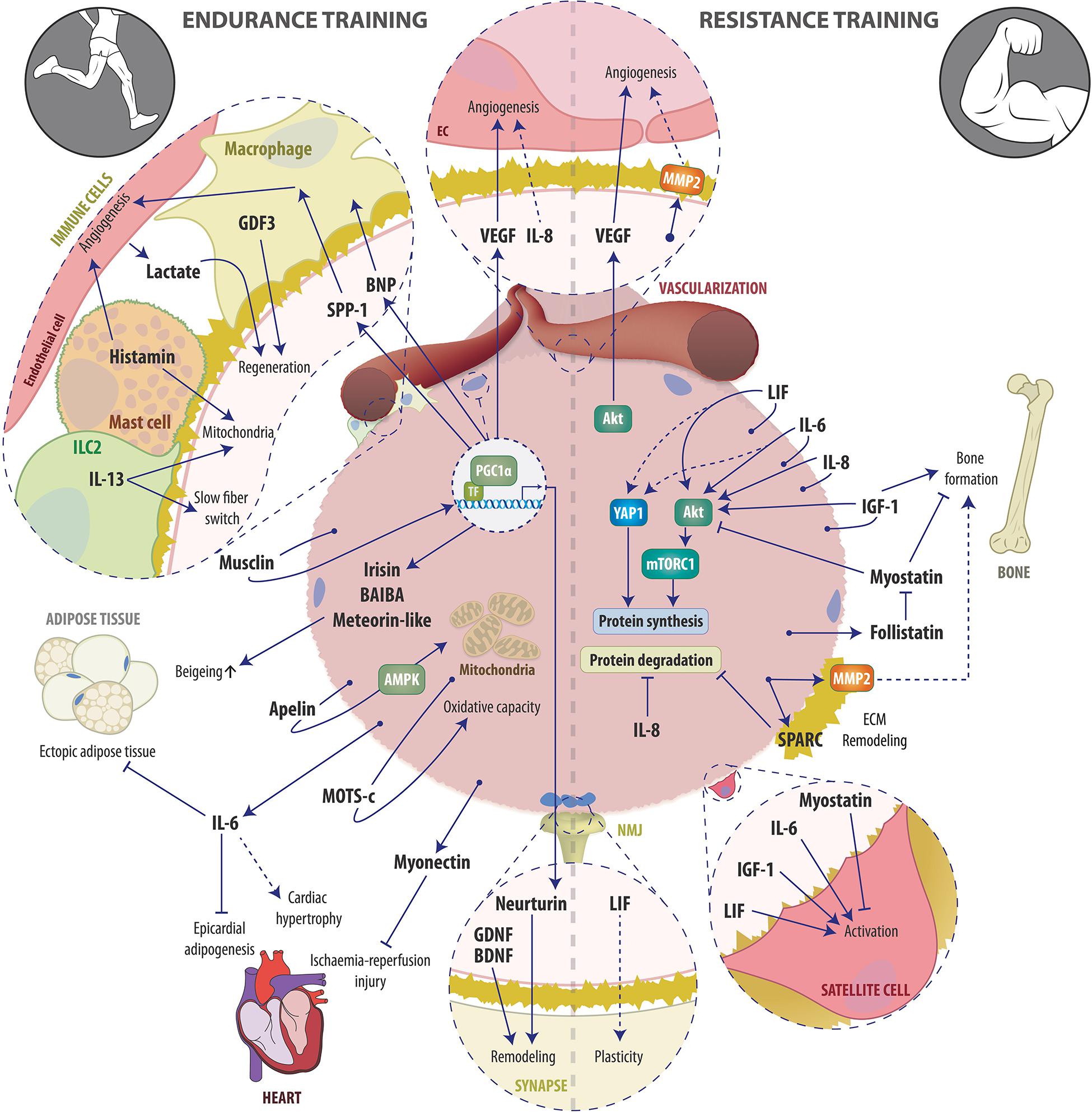
But what about the changes that happen at a molecular level? When we exercise, our muscles produce a variety of signaling molecules called myokines. These myokines have been shown to have a wide range of beneficial effects on our bodies, such as reducing inflammation, improving insulin sensitivity, and even promoting brain health.
Now that we've talked about some of the adaptations that occur in our muscles when we exercise, let's move on to some practical tips for incorporating exercise into your daily routine. First and foremost, it's important to find an activity that you enjoy and that fits your lifestyle. Whether it's hiking, swimming, or lifting weights, make sure it's something that you look forward to and that you can realistically commit to on a regular basis.
Another important tip is to start slow and gradually increase the intensity and duration of your exercise over time. This will help you avoid injury and burnout, and it will also give your muscles time to adapt and change in a healthy way.
So, we know that exercise is important for maintaining the health of our muscles, but what about our overall health? Regular exercise has been linked to a multitude of health benefits, including improved cardiovascular health, reduced risk of chronic diseases such as diabetes and cancer, and even improved mental health.
But what if you're someone who struggles to find the motivation to exercise? One helpful strategy is to set specific, measurable goals for yourself. Whether it's running a 5K, deadlifting a certain amount of weight, or simply exercising a certain number of times per week, having a concrete goal to work towards can help keep you motivated and on track.
Lastly, let's address some common questions and concerns about exercise. One of the most frequent questions is how often you should be exercising. The American Heart Association recommends at least 150 minutes of moderate exercise or 75 minutes of vigorous exercise per week, spread out over at least three days.
What if you're someone who has a busy schedule and finds it hard to fit in exercise? Remember that even small bouts of activity can add up over time. Taking the stairs instead of the elevator, going for a walk on your lunch break, or doing a quick workout video at home can all make a big difference.
In conclusion, skeletal muscle adaptation to exercise is a complex and fascinating topic that highlights the amazing ways in which our bodies can change and improve with physical activity. By following the tips and strategies outlined here, you can help ensure that your muscles and your overall health are in the best shape possible. So lace up your sneakers and get moving!


Post a Comment for "What Is The Role Of Periodizing Strength Training For Muscle Adaptation?"