What Is The Role Of Post-workout Nutrition In Muscle Recovery?

When it comes to building muscle and improving fitness levels, exercise is certainly important. But did you know that what you eat also plays a crucial role in this process? Consuming the right foods can speed up recovery time, help reduce inflammation and soreness, and build lean muscle.
Here, we've compiled a list of some of the best foods for muscle recovery. Keep in mind that a balanced diet is key, so be sure to incorporate a variety of these foods into your meals and snacks.
Protein-Packed Foods
Protein is essential for building and repairing muscle tissue. Aim for a mix of plant-based and animal-based proteins:
- Grass-fed Beef: Loaded with nutrients like Vitamin B12, zinc, and iron, grass-fed beef is a great source of protein. Opt for the leaner cuts like sirloin or tenderloin.
- Salmon: High in omega-3 fatty acids, salmon can help reduce inflammation and muscle soreness. Plus, it's a good source of protein and other essential nutrients.
- Quinoa: Not only is quinoa a complete protein, but it's also rich in fiber, vitamins, and minerals. Swap it in for rice or pasta in your meals for an added nutritional boost.
- Chickpeas: These plant-based protein powerhouses are also high in fiber and other key nutrients. Use canned chickpeas in meals like salads and stir-frys, or roast them in the oven for a crunchy snack.
Antioxidant-Rich Foods
Antioxidants help fight off oxidative stress and inflammation in the body, which can lead to muscle damage and slow recovery time. Aim to incorporate these antioxidant-rich foods into your diet:
- Blueberries: One of the best sources of antioxidants, blueberries are also low in calories and high in fiber. Add them to smoothies, oatmeal, or yogurt for a sweet and nutritious treat.
- Kale: This leafy green is packed with nutrients like Vitamin C and Vitamin K, as well as antioxidants like flavonoids and carotenoids. Use it in salads, smoothies, or sautéed as a side dish.
- Grapes: Along with other fruits like cherries and pomegranates, grapes are rich in antioxidants that can help reduce inflammation. Plus, they're a good source of hydration and carbohydrates for energy.
- Dark Chocolate: Yes, you read that right! Dark chocolate contains flavanols, which are potent antioxidants that can help improve blood flow and reduce inflammation. Aim for a few squares of dark chocolate that are 70% cacao or higher.
Healthy Fats
Healthy fats are important for overall health and can also aid in muscle recovery and growth. Aim to incorporate these healthy fats into your meals and snacks:
- Avocado: Not only is avocado high in healthy fats, but it's also a good source of fiber and other key nutrients like Vitamin C. Add it to salads, sandwiches, or as a topping for eggs or toast.
- Nuts and Seeds: Almonds, walnuts, chia seeds, and flaxseeds are all great sources of healthy fats, protein, and fiber. Use them in snacks like trail mix, or sprinkle them on top of salads or oatmeal.
- Olive Oil: A staple in the Mediterranean diet, olive oil is a good source of healthy fats and antioxidants. Use it in cooking and as a dressing for salads.
- Coconut: Whether it's coconut oil, coconut milk, or shredded coconut, this tropical ingredient is high in medium-chain triglycerides (MCTs). These can provide a quick source of energy for workouts and aid in overall recovery.
Hydrating Foods
Hydration is key for muscle recovery and overall health. Aim to consume foods that are high in water content, like these:
- Watermelon: Not only is it refreshing, but watermelon is also high in water content and other key nutrients like Vitamin C. Eat it on its own or add it to salads and smoothies.
- Cucumber: Made up of mostly water, cucumbers are a great hydrating snack. Add them to salads or use them as a vehicle for dips and spreads.
- Soup: Eating soup can be a great way to consume fluids and nutrients, especially during the colder months. Opt for homemade or low-sodium canned versions with plenty of vegetables and lean protein.
- Smoothies: Blend up fruits and vegetables with yogurt, milk, or water for a hydrating and nutrient-packed snack or meal.
Frequently Asked Questions
Q: How much protein do I need for muscle recovery?
A: The recommended daily protein intake for most adults is around 0.8 grams per kilogram of body weight. However, athletes and those looking to build muscle may need more, up to 1.4-2.0 grams per kilogram of body weight.
Q: Can I get enough protein from plant-based sources?
A: Yes! Plant-based sources of protein like quinoa, chickpeas, lentils, and tofu can provide all the essential amino acids your body needs for muscle recovery and growth.
Q: How soon after a workout should I eat to aid in muscle recovery?
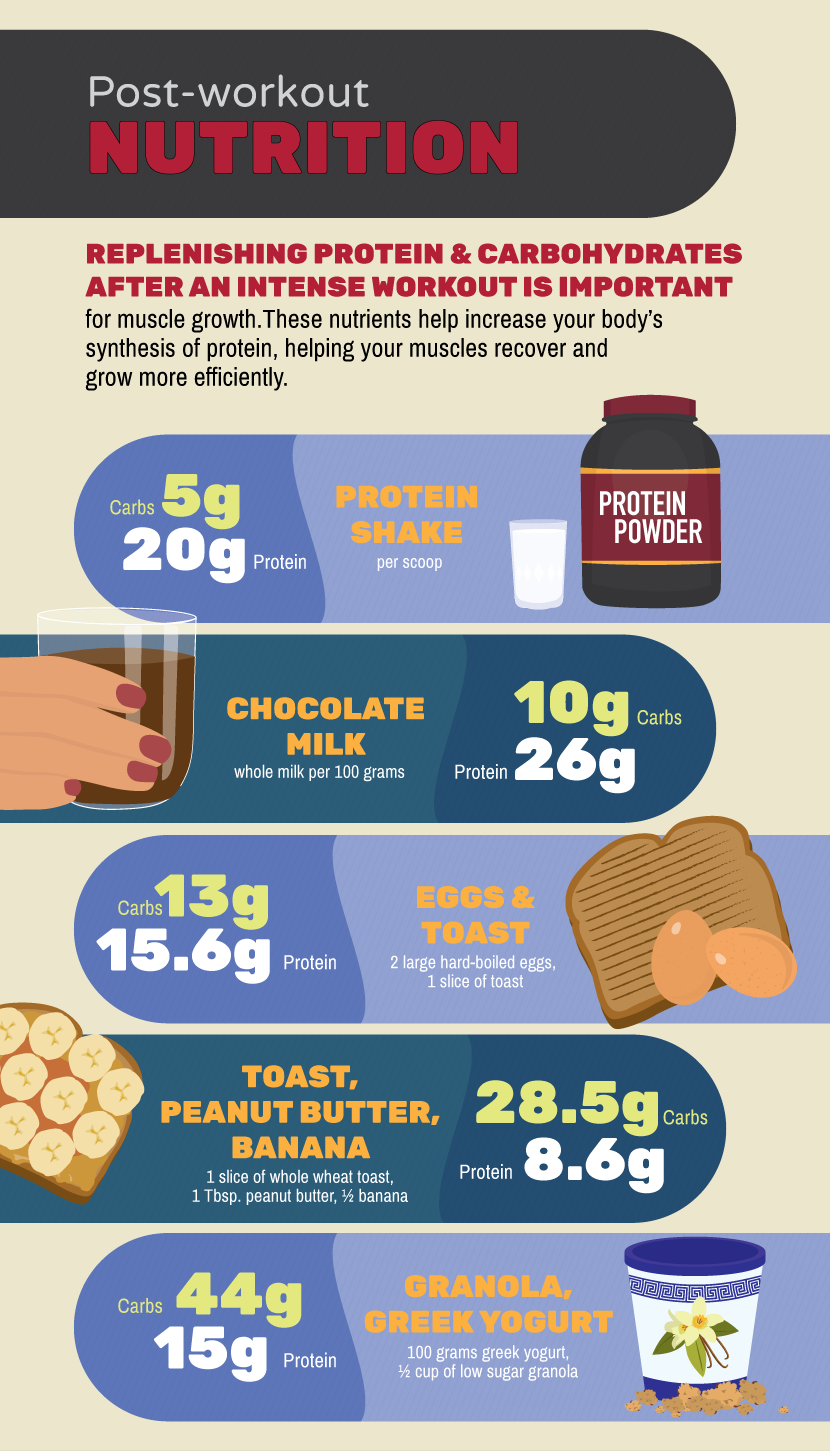
A: Aim to consume carbohydrates and protein within 30 minutes to an hour after your workout. This can help replenish glycogen stores and aid in muscle repair and growth.
Tips for Incorporating These Foods into Your Diet
Here are some tips for adding these muscle recovery foods into your meals and snacks:
- Meal Prep: Plan ahead by prepping meals and snacks in advance that contain a mix of these foods.
- Smoothies: Blend up a mix of fruits, vegetables, and protein sources like Greek yogurt or protein powder for a nutritious on-the-go snack or meal.
- Snacks: Keep snacks like nuts, seeds, fruit, and hummus with veggies on hand for when hunger strikes.
- Additions: Add some of these foods to your go-to meals, like grilled chicken or roasted vegetables.
- Hydration: Aim to drink at least 8 glasses of water per day, and consume hydrating foods like watermelon and cucumber.
By incorporating these foods into your diet, you can help speed up muscle recovery, reduce inflammation and soreness, and build lean muscle. Remember to balance your meals and snacks with plenty of fruits, vegetables, whole grains, and healthy fats for optimal health and wellness.

Post a Comment for "What Is The Role Of Post-workout Nutrition In Muscle Recovery?"