What Is The Role Of Proper Footwear In Injury Prevention During Exercise?

If you are looking to build an active lifestyle, regular exercise is the way to go. Despite the inherent injury risk, there are just too many benefits to ignore. From weight loss to better moods and improved health, the advantages of physical activity are endless.
Exercise helps to boost your metabolism, which in return helps you burn more calories throughout the day. When coupled with a proper diet, this can lead to significant weight loss. You'll also find that you feel better overall, since exercise releases endorphins which are known to improve your mood. Once you've started incorporating exercise into your routine, you'll find that your energy levels increase, and you're able to handle tasks with greater ease.
Physical activity can also help to improve your overall health. Exercise helps to strengthen your immune system, making you less susceptible to illnesses. Additionally, it can help to lower your risk of developing chronic diseases like diabetes, high blood pressure, and heart disease. With the cardiovascular benefits of exercise, your heart health will also get a boost.
To ensure you can enjoy these benefits and more, it's crucial to make sure that you are taking the necessary precautions against injury. Before beginning any exercise routine, it's important to consult with a doctor and a qualified fitness instructor. This way, you'll be able to maximize your efforts while minimizing your risk of injury.
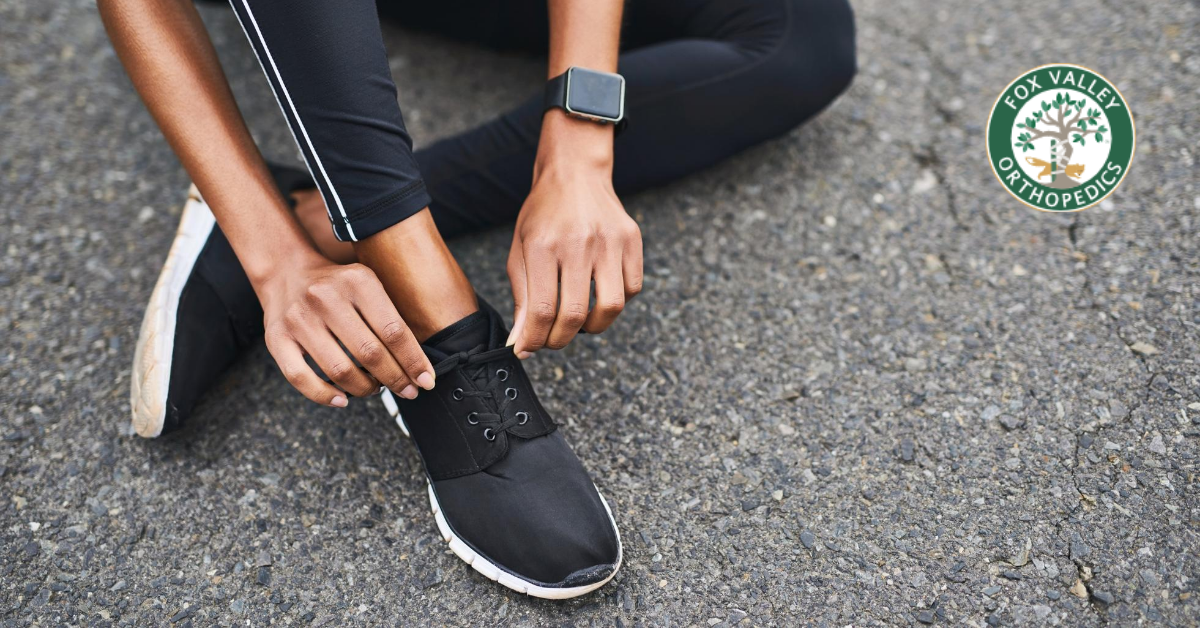
You should also take the time to properly warm up and stretch before each workout. This not only helps to reduce injury risk but also helps to improve your performance during the workout. Additionally, always make sure you are wearing the appropriate workout gear – this includes supportive shoes that fit well and form-fitting clothing that won't get in the way during your workout.
When completing your workouts, be sure to focus on proper form and technique. This not only helps to improve the effectiveness of your exercises but also reduces your risk of injury. Make sure you have a plan in place that gradually increases your workout intensity – starting slow and building up helps to reduce your risk of injury.
Tips for Staying Safe During Exercise
1. Listen to Your Body - Pay attention to any pain or discomfort and make necessary adjustments to your workout routine. If you're feeling particularly fatigued, it's okay to take a rest day or decrease the intensity of your workout.
2. Stay Hydrated - Drink plenty of water before, during, and after your workout. Dehydration can lead to cramping and fatigue during your workout.
3. Cross Train - Mix up your workout routine to help reduce the risk of repetitive stress injuries. Try a variety of activities, including strength training, cardio, and flexibility exercises.
4. Rest Days - Be sure to include rest days in your routine. This allows time for your body to recover and reduces your risk of injury from overuse.
FAQs
How often should I exercise?
It's recommended that adults get at least 150 minutes of moderate-intensity exercise or 75 minutes of vigorous-intensity exercise per week, spread out over several days. Additionally, strength-training exercises should be done at least two days per week.
What should I eat before a workout?
It's important to fuel your body before a workout. Eat a light meal or snack consisting of carbohydrates and protein about an hour before your workout.
What should I do if I get injured during exercise?
If you experience an injury during exercise, stop your workout and seek medical attention if necessary. Be sure to rest and allow your body time to heal before returning to exercise.
With the right precautions in place, exercise can be a safe and rewarding way to improve your health and well-being. So what are you waiting for? Get moving and start reaping the benefits of regular physical activity!

Post a Comment for "What Is The Role Of Proper Footwear In Injury Prevention During Exercise?"