How To Improve Spinal Stability And Posture For Better Overall Body Alignment?

Good posture and proper alignment of the spine are important not only for physical appearance, but also for overall health and wellness. Postural imbalances and spinal misalignments can lead to a wide range of issues, from back and neck pain to digestive problems and even headaches.
In this article, we'll explore the importance of good posture and spine alignment and provide helpful tips for maintaining a healthy spine and good posture for a lifetime of better health.
The Importance of Good Posture and Proper Spine Alignment
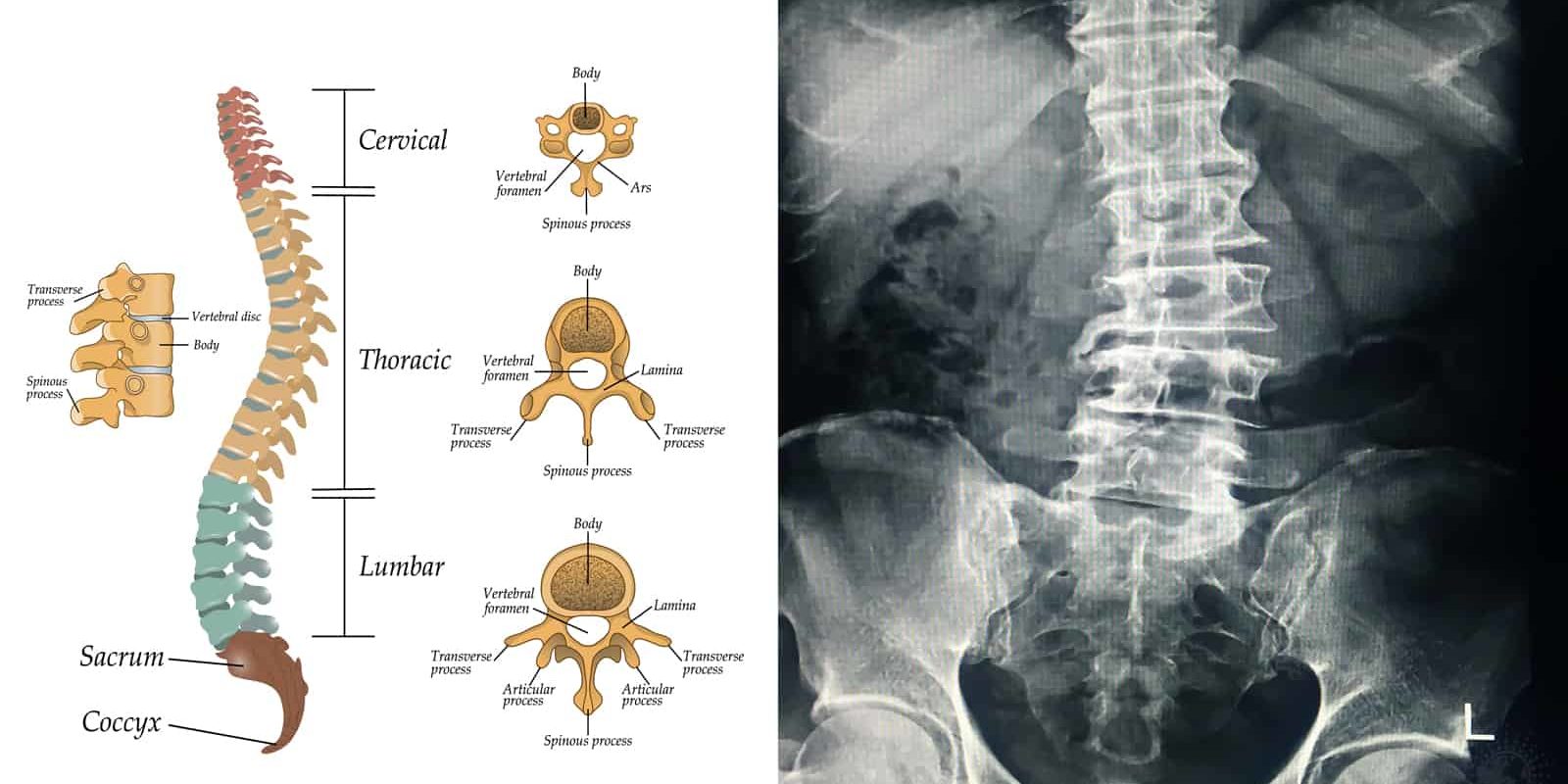
Good posture and proper spine alignment are essential for overall good health. A healthy spine provides support to the entire body and allows for movement, while also protecting the spinal cord, which is responsible for transmitting messages between the brain and the body.
Some of the key benefits of good posture and spine alignment include:
- Reduced risk of injury, strains, and sprains by maintaining proper alignment of the spine and joints
- Decreased stress and tension on muscles, joints, and ligaments
- Improved balance and stability by keeping the body's center of gravity in alignment
- Increased lung capacity and improved breathing by allowing for expansion of the ribcage and diaphragm
- Improved circulation and digestion by reducing pressure on internal organs
- Reduced risk of back and neck pain and other spinal disorders such as herniated discs and sciatica
- Enhanced overall health and wellbeing by reducing chronic stress on the body's systems and organs
Tips for Maintaining Good Posture and Spine Alignment
Maintaining good posture and proper spine alignment is essential for overall good health and wellbeing. Here are some helpful tips for maintaining a healthy spine and good posture:
1. Sit and stand up straight
When sitting or standing, maintain a straight and upright posture with your shoulders relaxed and your head held high. Keep your weight evenly distributed on both feet and avoid slouching or hunching over.
2. Use ergonomic furniture
Equip your workspace and home with ergonomic furniture, such as a supportive office chair, an adjustable standing desk, and a comfortable mattress and pillows. These items can help reduce pressure on the spine and joints and promote good posture.
3. Exercise regularly
Be sure to incorporate regular exercise and physical activity into your daily routine, including activities that strengthen your core muscles and improve flexibility, such as yoga, Pilates, and weight training.
4. Wear supportive shoes
Wear supportive and comfortable shoes that provide adequate arch support and cushioning for your feet. Avoid high heels and shoes that place excessive strain on your feet, ankles, and knees.
5. Practice good lifting techniques
When lifting heavy objects, be sure to keep your back straight and your knees bent, and avoid twisting or jerking motions that can strain your muscles and joints.
FAQs About Posture and Spine Alignment
1. What is hyperkyphosis?
Hyperkyphosis, also known as a hunchback, is a postural condition characterized by an excessive rounding of the upper spine, resulting in a forward head position and a hunched posture. It can cause pain, stiffness, and limited mobility, and may also increase the risk of falls and fractures in older adults.
2. Can poor posture cause back pain?
Yes, poor posture can cause back pain and a wide range of other spinal conditions, such as herniated discs and sciatica. When the spine is not properly aligned, it can place excessive stress and tension on the muscles, joints, and ligaments, leading to pain, stiffness, and inflammation.
3. How can I tell if my posture is correct?
Correct posture involves maintaining a straight and upright position of the spine with the shoulders relaxed and the head held high. Your ears should be aligned with your shoulders, and your hips and knees should be level. If you're not sure if your posture is correct, try standing in front of a mirror and taking note of any areas that appear to be out of alignment.
4. Can chiropractic care help improve posture?
Yes, chiropractic care can be effective in improving posture and spinal alignment. Chiropractors use manual techniques such as spinal adjustments and manipulations to help restore proper alignment of the spine and joints, reduce pain and inflammation, and improve overall health and wellness.
Conclusion
Maintaining good posture and proper spine alignment is essential for overall good health and wellbeing. By incorporating these tips into your daily routine, you can help reduce your risk of spinal disorders and other health issues, while also promoting better balance, stability, and overall wellness.
Remember, good posture is not just about looking good – it's about feeling good and living your best life.

Post a Comment for "How To Improve Spinal Stability And Posture For Better Overall Body Alignment?"