How To Prevent And Manage Exercise-induced Muscle Spasms?
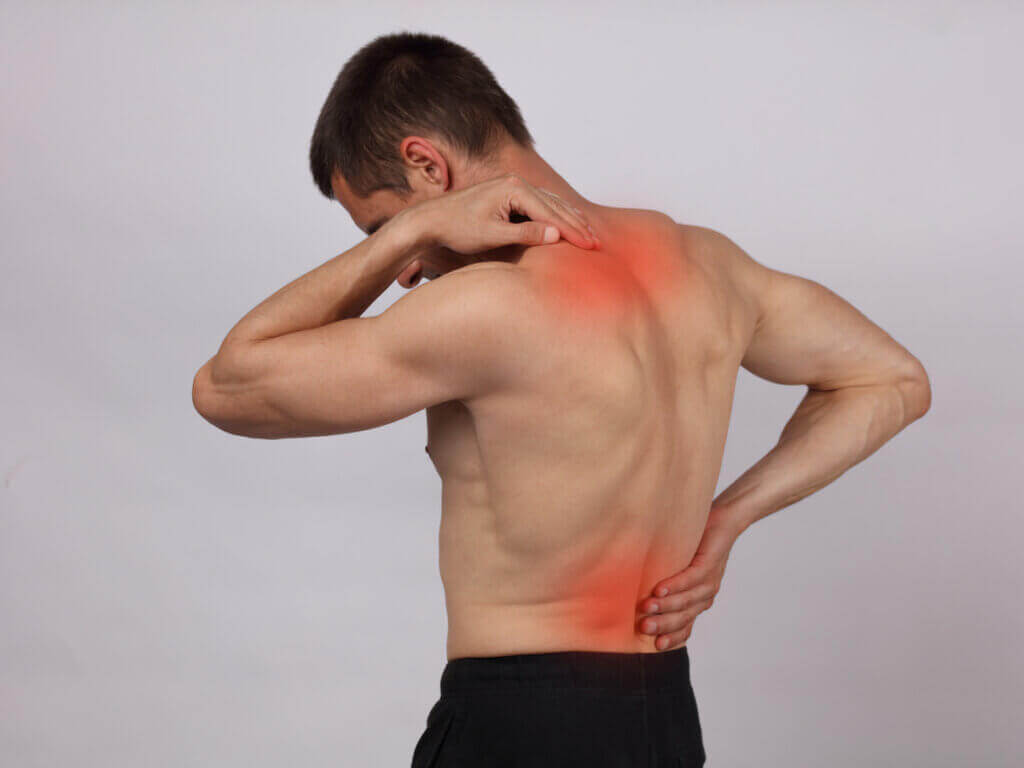
If you have ever experienced a muscle spasm, then you know how painful and uncomfortable it can be. Although muscle spasms are common, they can interfere with your daily routines and activities. However, the good news is that there are several ways to prevent muscle spasms from occurring. In this article, we will show you how to prevent muscle spasms, so you can live a pain-free life!
Details
Before we dive into how to prevent muscle spasms, it's important to understand what causes them. Muscle spasms occur when a muscle contracts involuntarily. This contraction can happen suddenly, and it can last for a few seconds or several minutes. Muscle spasms can occur in any muscle in the body, but they are most common in the legs, arms, abdomen, and back.
There are several reasons why muscle spasms occur, including dehydration, electrolyte imbalances, and muscle overuse. In some cases, muscle spasms can be a symptom of an underlying condition, such as multiple sclerosis or spinal cord injuries.
Tips
Here are some tips to prevent muscle spasms from occurring:
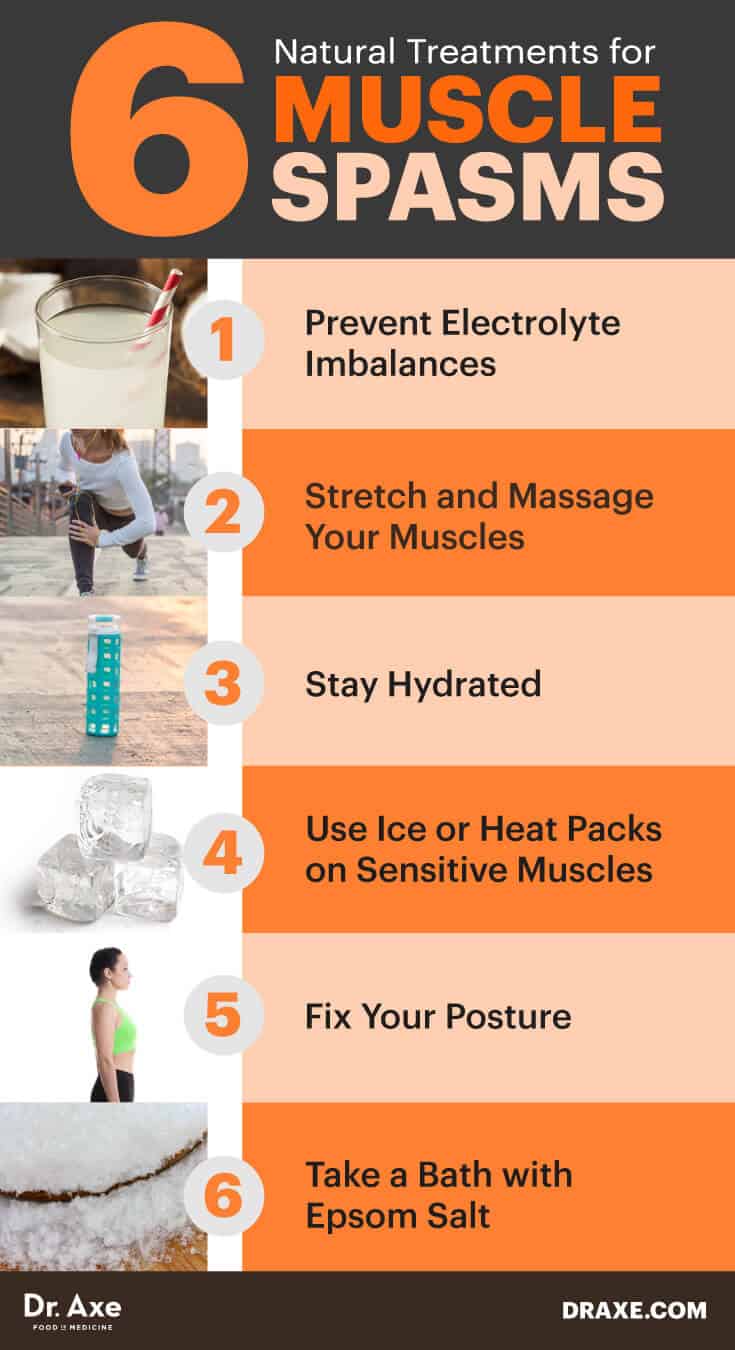
- Stay Hydrated: Drinking enough water is essential to prevent muscle spasms. Aim to drink at least eight glasses of water per day, or more if you are physically active or live in a hot climate.
- Stretch: Regular stretching can help prevent muscle spasms. Stretching helps to improve flexibility and reduce muscle tension.
- Warm Up: Warming up before exercising can help prevent muscle spasms. Gradually increasing your heart rate and body temperature can help prepare your muscles for physical activity.
- Rest: Resting your muscles is essential to prevent muscle spasms. Make sure you take breaks during physical activity and avoid overdoing it.
- Balance Your Electrolytes: Electrolytes are essential minerals that help your muscles function properly. Ensuring that you have a balanced level of electrolytes such as potassium, magnesium, and calcium can help prevent muscle spasms. You can eat foods rich in electrolytes or take supplements to maintain a proper balance.
- Massage: Massaging the affected muscle can help relieve muscle spasms. Gently rubbing the area can help improve blood circulation and relax the muscle.
- Use Heat or Cold: Applying heat or cold to the affected muscle can help reduce muscle spasms. Using a warm compress or taking a warm bath can help relax muscle tension, while using a cold compress can help reduce inflammation and pain.
FAQ
Here are some frequently asked questions about muscle spasms:
- What are the symptoms of a muscle spasm? Muscle spasms can cause a sudden and sharp pain, and the affected muscle may feel hard or bulging. Muscle spasms can also cause muscle weakness and limited range of motion.
- When should I see a doctor? If you experience persistent muscle spasms or have other symptoms such as numbness, tingling, or loss of muscle control, you should see a doctor. Muscle spasms can be a symptom of an underlying condition that requires medical treatment.
- How can I relieve muscle spasms? Massaging the affected muscle, applying a warm compress, or taking a warm bath can help relieve muscle spasms. Over-the-counter pain medication can also help manage pain and discomfort. If the muscle spasm is severe or persists, you may need to see a doctor for treatment.
- Can muscle spasms be prevented? Yes, muscle spasms can be prevented by staying hydrated, stretching regularly, warming up before physical activity, resting your muscles, and ensuring that you have a balanced level of electrolyte minerals.
So there you have it, folks! By following these simple tips, you can prevent muscle spasms from disrupting your daily life. Remember to stay hydrated, stretch regularly, and rest your muscles to keep them healthy and pain-free.

Post a Comment for "How To Prevent And Manage Exercise-induced Muscle Spasms?"