How To Prevent And Manage Exercise-induced Back Strains Or Sprains?
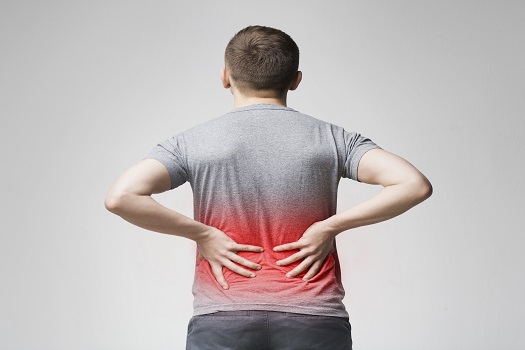 Greetings, fellow spine enthusiasts! Today, we're going to delve into the exciting world of lumbar strains and sprains. Don't worry, this won't be a snooze-fest with big, fancy words that nobody can understand. We're going to break it down so even the most clueless among us can understand.
First, let's talk about what a lumbar strain and sprain actually are. In short, they're injuries that affect the muscles and ligaments in your lower back. The difference between the two lies in the severity of the injury.
A grade 1 lumbar strain or sprain is a mild injury where the muscles or ligaments have been stretched or pulled, but there is no tearing. Think of it like a really bad cramp in your lower back.
Grade 2 strains and sprains are moderate injuries where there is some tearing of the muscles or ligaments. This will result in pain, swelling, and stiffness in your lower back.
Finally, grade 3 strains and sprains are severe injuries where the muscle or ligament has been completely torn. This will result in significant pain, swelling, and stiffness, and may require medical intervention.
Details
So what causes these injuries? Most of the time, they're the result of sudden, forceful movements of the lower back. This could be anything from lifting a heavy object to twisting your body awkwardly. However, they can also be caused by repetitive motions over time, such as poor posture or sitting for long periods of time.
While anyone can experience a lumbar strain or sprain, they're most common in athletes and people who engage in physical labor. However, don't count yourself out just because you're a couch potato. Even sedentary individuals can experience these injuries due to poor posture or weak muscles in the lower back.
So how do you know if you've suffered a lumbar strain or sprain? The most common symptoms include pain and stiffness in the lower back, as well as swelling and tenderness. You may also experience muscle spasms and difficulty moving.
Tips for Recovery
If you think you've suffered a lumbar strain or sprain, the good news is that most cases can be treated at home. Here are a few tips to help speed up your recovery:
1. Rest. Avoid any activities that cause pain or discomfort, and take plenty of time to rest your lower back.
2. Ice. Apply ice to the affected area for 15-20 minutes at a time, several times a day. This will help reduce inflammation and ease pain.
3. Heat. After a few days of icing, you can try applying heat to your lower back. This will help promote blood flow and reduce stiffness.
4. Over-the-counter pain relievers. Ibuprofen and acetaminophen can help alleviate pain and reduce inflammation.
5. Stretching and exercise. Once the pain has subsided, it's important to start stretching and strengthening the muscles in your lower back to prevent future injuries.
FAQs
Q: How long does it take to recover from a lumbar strain or sprain?
A: The recovery time varies depending on the severity of the injury. Mild cases may only take a few days to a week to recover, while severe cases may take several weeks or even months.
Q: Do I need to see a doctor for a lumbar strain or sprain?
A: Not necessarily. Most cases can be treated at home with rest, ice, and over-the-counter pain relievers. However, if your symptoms are severe or do not improve with these treatments, it's important to see a doctor.
Q: Can lumbar strains and sprains be prevented?
A: Yes! The best way to prevent these injuries is to maintain good posture, stretch regularly, and strengthen your lower back muscles through exercise.
Q: Can I continue to exercise with a lumbar strain or sprain?
A: It depends on the severity of your injury. Mild cases may be able to exercise with modifications, while severe cases will require rest and recovery time.
So there you have it, folks. The lowdown on lumbar strains and sprains. We hope you've learned something new today, and remember to always take care of your spine!


Post a Comment for "How To Prevent And Manage Exercise-induced Back Strains Or Sprains?"