What Are The Benefits Of Incorporating High-intensity Interval Training (HIIT) Into A Fitness Routine For Cardiovascular Fitness And Calorie Burning?
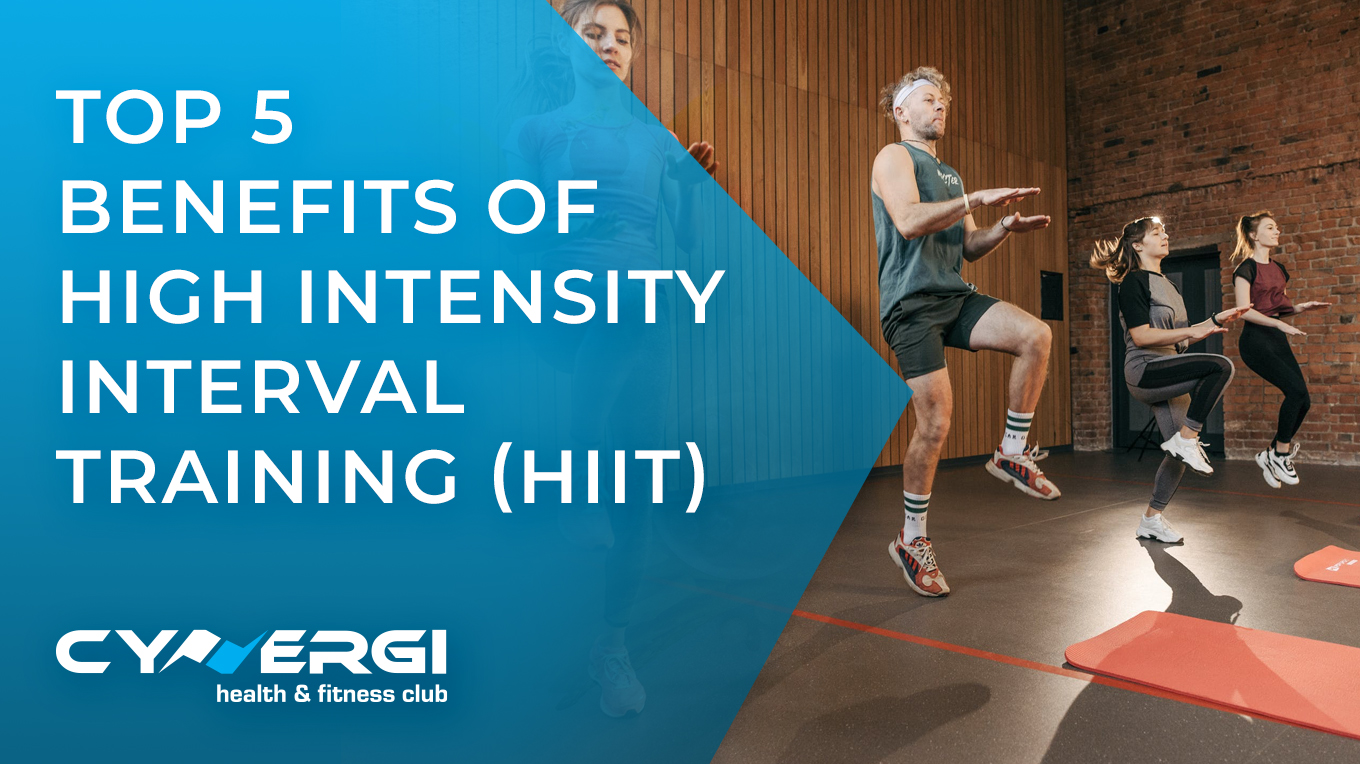
Have you ever heard of high intensity interval training? Also known as HIIT, this type of workout involves short bursts of intense exercise followed by periods of rest or low-intensity movements. Many people, including Asians, have turned to HIIT as a way to improve their overall health and fitness levels. In this article, we'll explore some of the top benefits of HIIT and why you may want to consider incorporating it into your own fitness routine.
The Benefits of High Intensity Interval Training
If you're looking to get in shape, HIIT can be an effective way to achieve your fitness goals. Here are just a few of the benefits you can expect:
1. Increased calorie burn
Because HIIT is so intense, it causes your body to burn more calories both during and after the workout. This is because your body needs to work harder to recover from the intense bursts of movement. As a result, HIIT can be a great way to burn fat and lose weight.
2. Improved cardiovascular health
HIIT is also great for your heart health. This type of exercise can help improve your cardiovascular endurance, which means your heart and lungs will be able to work more efficiently. As a result, you'll have more energy and be able to perform better during other types of exercise or physical activity.
3. Increased muscle mass and strength
HIIT can also help you build muscle and get stronger. During a HIIT workout, you're performing movements that engage multiple muscle groups at once, which can help you develop a lean, toned physique. In addition, HIIT can be more effective at building muscle than traditional steady-state cardio exercises like jogging or cycling.
4. Improved insulin sensitivity
Another benefit of HIIT is that it can improve your body's ability to regulate blood sugar levels. This is because HIIT can improve insulin sensitivity, which means your body is better able to use the insulin it produces to transport glucose (sugar) into your cells for energy.
5. Reduced risk of chronic disease
Finally, HIIT can be a great way to reduce your risk of chronic diseases like diabetes and heart disease. This is because HIIT can help improve your overall health and fitness, which in turn can reduce your risk of developing these types of conditions.
How to Incorporate HIIT into Your Workouts
If you're interested in trying HIIT for yourself, there are a few things you should keep in mind. Here are some tips for incorporating HIIT into your workouts:
1. Start slow
HIIT can be very intense, especially if you're not used to it. For this reason, it's important to start slow and gradually build up your intensity and duration over time. For example, you might start with just 10-15 seconds of high-intensity exercise followed by 30-45 seconds of rest, and then gradually increase the duration of each interval as you get more comfortable.
2. Focus on form
Because HIIT involves intense movements, it's important to make sure you're using proper form to avoid injury. This means paying attention to things like posture, alignment, and breathing as you perform each movement.
3. Mix it up
One of the great things about HIIT is that there are endless variations you can try. Mix things up by incorporating different types of movements, such as jumping jacks, burpees, and mountain climbers.
4. Listen to your body
As with any type of exercise, it's important to listen to your body and avoid pushing yourself too hard. If something doesn't feel right, give yourself permission to take a break or modify the movement as needed.
FAQs About High Intensity Interval Training
1. Is HIIT safe?
Yes, HIIT can be safe for most people as long as you start slow and use proper form. However, if you have any underlying health conditions or injuries, it's important to talk to your doctor before starting any new exercise routine.
2. How often should I do HIIT?
It's generally recommended to do HIIT workouts 2-3 times per week, with at least one day of rest in between. However, the exact frequency will depend on your individual fitness goals and ability level.
3. What should I eat before and after a HIIT workout?
Before a HIIT workout, it's a good idea to eat a small meal or snack that includes complex carbohydrates and protein. This will provide your body with the energy it needs to power through the workout. After the workout, focus on eating a meal that includes both protein and carbohydrates to help your body recover and rebuild.
4. Can HIIT help me lose weight?
Yes, HIIT can be effective for weight loss because it increases your calorie burn and can help you build muscle mass. However, it's important to note that weight loss is ultimately determined by your overall calorie intake and expenditure, not just your workout routine.
5. Can I do HIIT at home?
Yes, you can definitely do HIIT workouts at home. There are many HIIT workouts available online or through fitness apps that you can do with little to no equipment. Just make sure you have enough space to move around safely!
Conclusion
In conclusion, HIIT can be a great way to improve your overall health and fitness levels. Whether you're looking to build muscle, burn fat, or just improve your cardiovascular endurance, HIIT is a versatile and effective workout option. Just remember to start slow, use proper form, and listen to your body to avoid injury. Happy sweating!


Post a Comment for "What Are The Benefits Of Incorporating High-intensity Interval Training (HIIT) Into A Fitness Routine For Cardiovascular Fitness And Calorie Burning?"