What Is The Role Of Foam Rolling In Reducing Muscle Soreness?
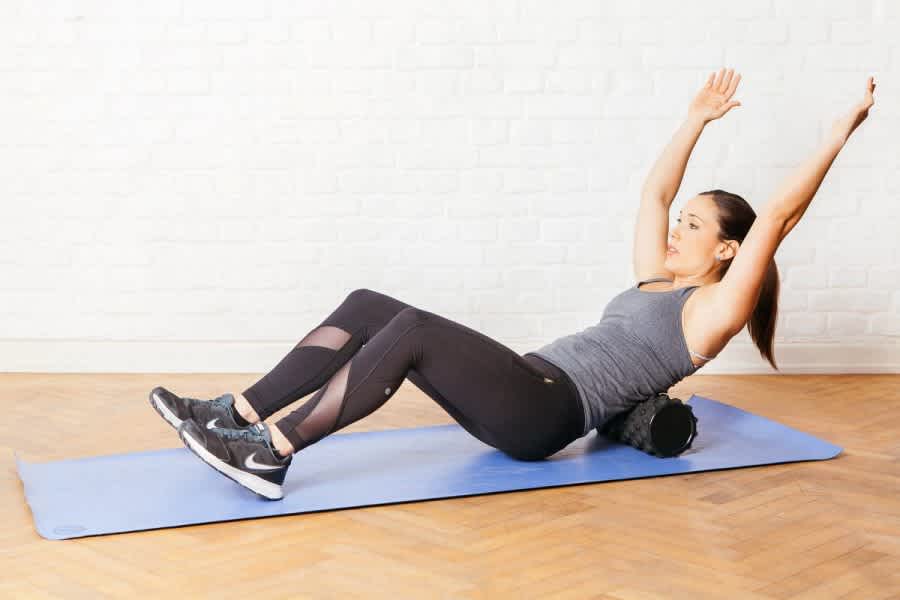
Foam rolling is becoming an increasingly popular workout technique, and it’s not hard to see why. This technique involves using a foam roller to massage your muscles and promote recovery after workouts. It’s a simple and effective way to keep your muscles healthy, happy, and injury-free. Here are some reasons why you should consider incorporating foam rolling into your workout routine.
Details
Foam rolling is a form of self-myofascial release, which is the process of applying pressure to certain areas of your body to release tension and promote recovery. When you use a foam roller, you apply pressure to your muscles, which can help break up scar tissue and adhesions that can decrease your range of motion and cause pain. Foam rolling can also help increase blood flow to your muscles, which can promote healing and recovery.
Another benefit of foam rolling is that it can help improve your posture. Tight muscles can pull your body out of alignment and cause you to develop poor posture over time. By regularly foam rolling, you can keep your muscles loose and prevent them from pulling your body out of alignment. This can help improve your posture, which can have a positive impact on your overall health and well-being.
Foam rolling can also help improve your flexibility, which is important for preventing injury and improving your overall fitness. When your muscles are tight and inflexible, you are more prone to injury during workouts. By regularly foam rolling, you can loosen up your muscles and improve your range of motion, which can help prevent injury and improve your performance.
One final benefit of foam rolling is that it can help you relax and reduce stress. When you use a foam roller, you are essentially giving yourself a massage, which can be incredibly relaxing and stress-reducing. By taking time to foam roll after your workouts, you can help reduce stress and promote relaxation, which can have a positive impact on your mental health and well-being.
Tips
If you’re new to foam rolling, it’s important to start slowly and gradually increase the intensity of your routine over time. Start with softer foam rollers and work your way up to firmer ones. Be sure to target all of the major muscle groups in your body, including your legs, back, and shoulders.
You should also remember to breathe deeply and slowly during your foam rolling routine. This will help you relax and prevent you from tensing up your muscles, which can make the process less effective. Finally, be sure to drink plenty of water after your foam rolling routine to help flush out any toxins and keep your muscles healthy and hydrated.
FAQ
How often should I foam roll?
The frequency of your foam rolling routine will depend on your individual needs and goals. As a general rule, it’s a good idea to foam roll after each workout to promote recovery and prevent injury. You can also foam roll on days when you’re feeling particularly sore or tight.
Is foam rolling painful?
Foam rolling can be uncomfortable at first, especially if you have tight muscles. However, the discomfort should subside as you continue to foam roll regularly. If you experience sharp or intense pain during your foam rolling routine, you should stop and consult with your healthcare provider to ensure that you are not injuring yourself.
Can foam rolling help with cellulite?
There is limited research on the effectiveness of foam rolling for reducing cellulite. However, it is possible that foam rolling could help break up the connective tissue that contributes to the appearance of cellulite. If you are interested in using foam rolling to reduce cellulite, it’s a good idea to consult with a healthcare provider or fitness professional to determine the best approach.
What is the best time to foam roll?
The best time to foam roll is after your workout or at the end of the day. Foam rolling can be a relaxing and stress-reducing activity, so it’s a great way to wind down after a workout or a long day at work. It can also help promote recovery and prevent muscle soreness.
Can foam rolling be used as a warm-up?
Foam rolling is not typically used as a warm-up activity. Instead, it is generally recommended to use dynamic stretching or a light cardio workout to warm up your muscles before a workout. Foam rolling is best used as a post-workout recovery activity.
What are some common foam rolling mistakes?
One common mistake when foam rolling is rolling too quickly over your muscles. This can decrease the effectiveness of the technique and make it less beneficial for your muscles. Another mistake is applying too much pressure, which can be painful and cause injury. It’s important to start slowly and gradually increase the intensity of your foam rolling routine over time.
Conclusion
Overall, foam rolling is a simple and effective way to keep your muscles healthy, happy, and injury-free. It can help promote recovery, improve your posture, and increase your flexibility. If you’re new to foam rolling, be sure to start slowly and gradually increase the intensity of your routine over time. With regular practice, foam rolling can be an important part of your overall fitness and wellness routine.


Post a Comment for "What Is The Role Of Foam Rolling In Reducing Muscle Soreness?"