What Is The Role Of Nutrition In Supporting Immune Function And Overall Health During Periods Of Intense Physical Activity?

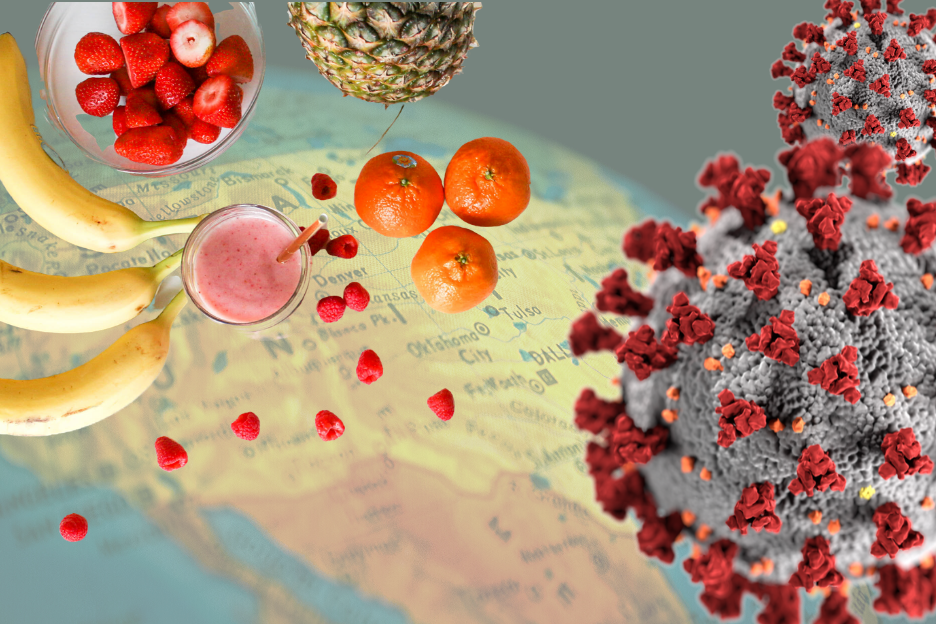
During this global pandemic, it is important to focus on not only protecting ourselves from the virus but also boosting our immune systems. One way to support our immunity is through our diet. Consuming certain foods can help strengthen our body’s defense against illnesses like COVID-19.
Detail:
Our immune system is responsible for protecting our body against harmful viruses and bacteria. The stronger our immunity, the better equipped we are to fight off these infections. Foods that are high in vitamins, minerals, and antioxidants can help boost our immunity by providing the necessary nutrients our body needs to function properly.
Some immune system supporting foods include:
- Citrus fruits: Citrus fruits like oranges, lemons, and grapefruits are rich in vitamin C, which has been known to increase the production of white blood cells and fight infections.
- Red bell pepper: Red bell peppers contain more vitamin C than most citrus fruits and also have beta carotene, which can improve your immune system.
- Garlic: Garlic has been used for centuries for its medicinal properties. It contains sulfur compounds that can improve your immune system and help fight infections.
- Ginger: Ginger has anti-inflammatory properties that can help reduce inflammation in the body and promote healthy digestion.
- Turmeric: Turmeric contains curcumin, an antioxidant that can help support our body’s immune response.
- Dark leafy greens: Greens like spinach and kale are packed with vitamin C, vitamin E, and antioxidants, which can help support our immune system.
- Nuts and seeds: Nuts and seeds are a great source of zinc, which can help support our immune system and aid in wound healing.
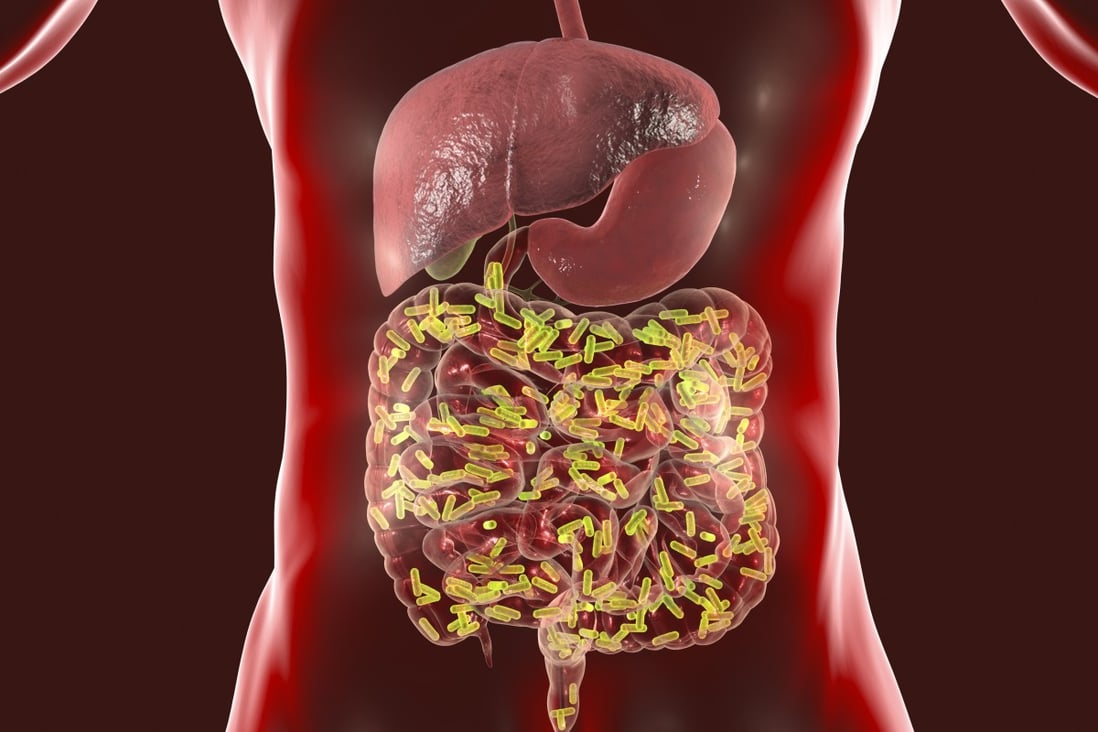
- Yogurt: Yogurt contains probiotics, which can help promote healthy gut bacteria and boost our immunity.
Tips:
Here are some tips to help incorporate these immune system supporting foods into your diet:
- Try making a smoothie with citrus fruits, spinach, and yogurt for breakfast.
- Add red bell peppers and broccoli to a stir-fry for lunch or dinner.
- Snack on nuts and seeds throughout the day.
- Make a garlic and ginger infused soup for dinner.
FAQ:
Q: Can supplements replace a healthy diet?
A: While supplements may provide some of the necessary vitamins and minerals our body needs for optimum health, they cannot replace a healthy diet. In addition, taking too many supplements can be harmful to our health.
Q: How much vitamin C do I need?
A: The recommended daily intake of vitamin C for adults is 65 to 90 milligrams. However, during times of illness, a higher dose may be recommended.
Q: How long does it take for our immune system to respond to dietary changes?
A: Your immune system will start to respond to dietary changes immediately, but it may take several weeks to see a significant improvement in overall health.
Remember, boosting our immunity is not a guarantee against getting sick, but it can help our body fight off infections more efficiently. By incorporating immune system supporting foods into our diet and maintaining a healthy lifestyle, we can help protect ourselves and those around us during this global pandemic.
Post a Comment for "What Is The Role Of Nutrition In Supporting Immune Function And Overall Health During Periods Of Intense Physical Activity?"