What Is The Role Of Proper Nutrition In Supporting Bone Health And Preventing Osteoporosis?
Keeping your bones healthy and strong is crucial to maintaining overall health and preventing osteoporosis. Adequate nutrition is an essential component of bone health, as it provides the necessary building blocks for bones to maintain their strength and density. In this article, we will explore the foods and nutrients that are most important for maintaining strong bones and preventing bone loss.
Detail
Consuming adequate amounts of calcium is crucial to bone health, as it provides the building blocks for bones to maintain their strength and density. Calcium-rich foods include dairy products such as milk, cheese, and yogurt, as well as leafy green vegetables such as kale, broccoli, and spinach. Additionally, fortified foods such as tofu, bread, and orange juice can be good sources of calcium.
Vitamin D is also essential to bone health, as it aids in calcium absorption. While sunlight is the best source of vitamin D, it can also be found in foods such as fatty fish, egg yolks, and fortified dairy and grain products.
In addition to calcium and vitamin D, consuming adequate amounts of protein is crucial to building and maintaining bone density. Good sources of protein include lean meats, poultry, fish, beans, and lentils.
Phosphorus is another mineral that is important for bone health, as it works in conjunction with calcium to maintain bone density. Good sources of phosphorus include dairy products, meat, fish, and poultry.
Vitamin K also plays a role in bone health, as it is necessary for the activation of bone-building proteins. Good sources of vitamin K include spinach, kale, broccoli, and other leafy green vegetables, as well as soybean and canola oil.
Magnesium is another mineral that is important for bone health, as it aids in the absorption of calcium. Good sources of magnesium include nuts, seeds, whole grains, and leafy green vegetables.
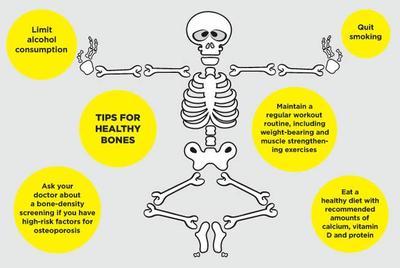
In addition to consuming adequate amounts of bone-building nutrients, it is also important to limit intake of certain substances that can be harmful to bone health. These include excessive amounts of alcohol, caffeine, and sodium.
Finally, exercise is another crucial component of maintaining strong bones and preventing osteoporosis. Weight-bearing exercises such as walking, dancing, and weightlifting are particularly beneficial for maintaining bone density.
Tips
To ensure that you are consuming adequate amounts of bone-building nutrients, consider incorporating the following foods into your diet:
- Dairy products such as milk, cheese, and yogurt
- Leafy green vegetables such as kale, broccoli, and spinach
- Fatty fish such as salmon and sardines
- Egg yolks
- Fortified dairy and grain products such as tofu, bread, and orange juice
- Lean meats, poultry, fish, beans, and lentils
- Nuts, seeds, and whole grains
- Soybean and canola oil
Additionally, to limit intake of substances that can be harmful to bone health, try to:
- Limit alcohol intake to no more than one drink per day for women and two drinks per day for men
- Avoid excessive caffeine intake
- Limit sodium intake to no more than 2,300 milligrams per day
To further promote bone health, be sure to incorporate weight-bearing exercises into your fitness routine. Walking, dancing, and weightlifting are all great options.
FAQ
Q. What is osteoporosis?
A. Osteoporosis is a condition in which the bones become weak and brittle, making them more prone to fractures.
Q. Who is at risk for osteoporosis?
A. Osteoporosis is most commonly seen in women over the age of 50, although it can occur in men as well. Other risk factors include a family history of osteoporosis, certain medications, and certain medical conditions.
Q. Can osteoporosis be prevented?
A. While there is no way to completely prevent osteoporosis, maintaining a healthy lifestyle and consuming adequate amounts of bone-building nutrients can help reduce the risk of developing the condition.
Q. How much calcium do I need?
A. The recommended daily intake of calcium for adults aged 19-50 is 1,000 milligrams per day. For adults over the age of 50, the recommended daily intake is 1,200 milligrams per day.
Q. How much vitamin D do I need?
A. The recommended daily intake of vitamin D for adults is 600-800 IU per day. However, some individuals may require higher amounts depending on factors such as age, skin color, and the amount of sunlight they are exposed to.
Q. Are supplements necessary for bone health?
A. While it is possible to obtain all of the necessary bone-building nutrients through diet alone, some individuals may require supplements in order to meet their nutritional needs. It is important to speak with a healthcare provider before starting any new supplements.
Conclusion
Maintaining strong bones and preventing osteoporosis is crucial to overall health and wellbeing. Adequate nutrition, exercise, and lifestyle habits can all help promote bone health and reduce the risk of developing the condition. By incorporating calcium-rich foods, vitamin D-rich foods, and other bone-building nutrients into your diet, limiting intake of substances that can be harmful to bone health, and engaging in weight-bearing exercise, you can help ensure that your bones stay healthy and strong for years to come.


Post a Comment for "What Is The Role Of Proper Nutrition In Supporting Bone Health And Preventing Osteoporosis?"