What Is The Role Of Rest And Recovery In Muscle Adaptation And Preventing Overtraining?
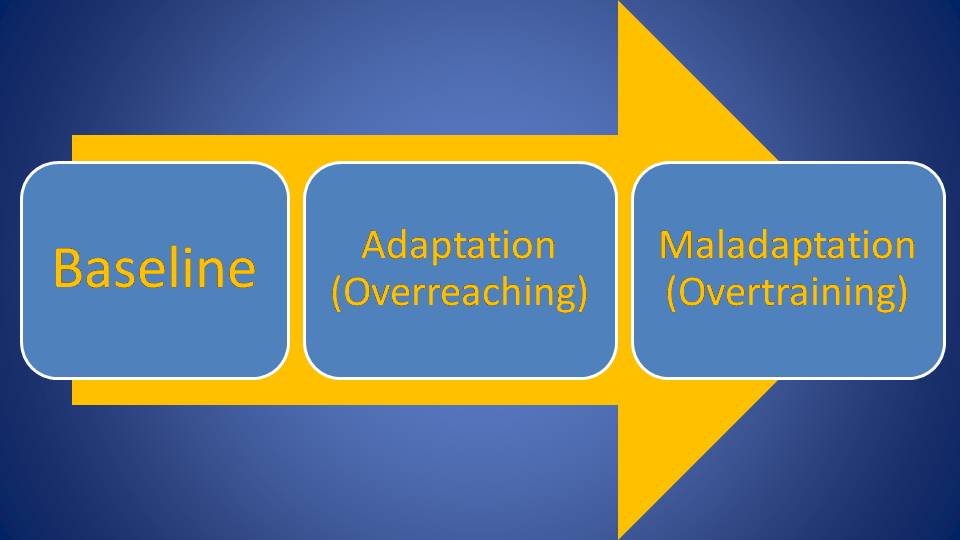
Exercise is an essential part of a healthy lifestyle. But did you know that too much exercise can be dangerous? Overtraining Syndrome is a real concern for athletes and fitness enthusiasts alike.
Excessive exercise can have a variety of negative impacts on your body, ranging from fatigue to injury. It's important to recognize the signs of overtraining and take steps to avoid it.
What is Overtraining Syndrome?
Overtraining Syndrome is a condition that occurs when the body is pushed beyond its limits and is unable to recover properly. This can be due to a variety of factors, including lack of rest, poor nutrition, and dehydration.
People who are at a higher risk for overtraining are those who train for extended periods of time without adequate recovery, those who engage in intense physical activity, and those who have an underlying medical condition.
The Risks of Overtraining
The risks of overtraining can be severe and may lead to long-term health problems. Some of the most common risks include:
- Muscle and joint pain: Overworked muscles and joints can become inflamed, causing pain and making it difficult to perform everyday activities.
- Fatigue: Overtraining can cause chronic fatigue, making it difficult to complete even the most basic tasks.
- Decreased immune function: Overtraining can weaken the immune system, making it more difficult to fight off infections and illnesses.
- Depression and anxiety: Overtraining can lead to mental health issues, including depression and anxiety.
How to Avoid Overtraining
Fortunately, there are steps you can take to avoid overtraining and protect your body from its negative effects. Here are some tips to keep in mind:
- Include rest days in your workout routine: Your body needs time to recover from intense physical activity, so make sure you're taking regular rest days to allow this to happen.
- Pay attention to your body: Listen to your body's signals and adjust your workout routine accordingly. If you're feeling overly tired or experiencing pain, take a break.
- Eat a balanced diet: Proper nutrition is essential for fueling your body and providing it with the nutrients it needs to recover.
- Stay hydrated: Drinking enough water is crucial for maintaining proper bodily functions and avoiding dehydration.
FAQ
Here are some frequently asked questions about Overtraining Syndrome:
- How do I know if I'm overtraining? Some signs of overtraining include fatigue, weakness, sleep disturbances, decreased performance, and increased incidence of injury.
- What should I do if I think I'm overtraining? If you're experiencing symptoms of overtraining, take a break from your physical activity and allow your body time to recover.
- Can overtraining be prevented? Yes, taking proper precautions such as incorporating rest days into your workout routine and fueling your body with the nutrients it needs can help prevent overtraining.
- Is overtraining more common in certain populations? Overtraining is more common in athletes and fitness enthusiasts who engage in high-intensity workouts for prolonged periods of time.
Conclusion
Exercise is an important part of a healthy lifestyle, but it's important to recognize the risks of overtraining and take steps to avoid it. By incorporating rest days into your workout routine, paying attention to your body's signals, and nourishing your body with proper nutrition and hydration, you can protect yourself from the negative effects of overtraining. Be smart and stay safe!

Post a Comment for "What Is The Role Of Rest And Recovery In Muscle Adaptation And Preventing Overtraining?"