How To Improve Hip Mobility For Better Athletic Performance?
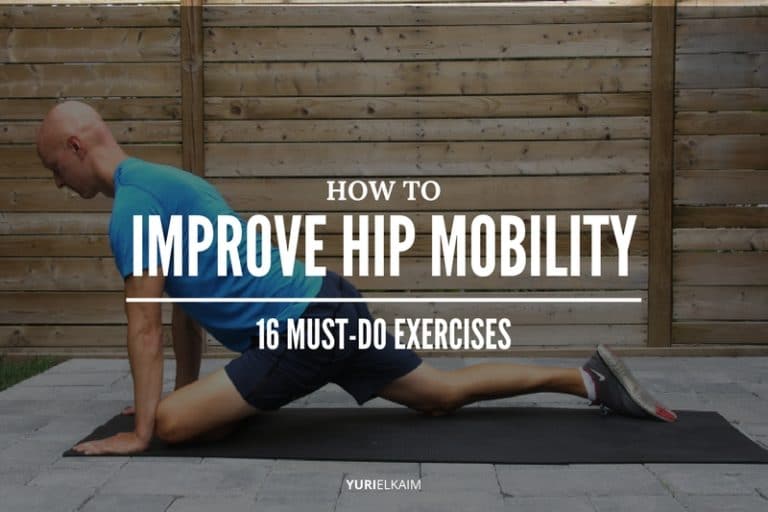
If you're struggling with tight hips or limited range of motion in your hips, you're not alone. Poor hip mobility can cause a variety of issues, from lower back pain to knee problems and even poor posture. Fortunately, there are plenty of exercises you can do to improve your hip mobility and keep your hips healthy.
Here are the top 16 exercises to improve hip mobility:
Detail
1. Hip Flexor Stretch: Start in a lunge position with your right foot forward. Slowly lower your left knee to the ground and lift your torso up. Push your hips forward until you feel a stretch in your left hip flexor. Hold for 30 seconds and switch sides.
2. Pigeon Pose: Start on all fours with your knees under your hips and your hands under your shoulders. Bring your right knee forward and out to the right, then swing your left leg behind you. Sit upright and hold for 30 seconds. Switch sides.
3. Butterfly Stretch: Sit on the floor with the soles of your feet together. Hold onto your ankles or feet and gently press your knees down toward the floor. Hold for 30 seconds.
4. Fire Hydrant: Start on all fours with your knees under your hips and your hands under your shoulders. Lift your right leg out to the side, keeping your knee bent at a 90-degree angle. Hold for a second or two, then lower your leg. Repeat for 10 reps and switch sides.
5. Clamshell: Lie on your side with your knees bent at a 90-degree angle. Keep your feet together and open your knees as far as you can without moving your pelvis. Hold for a second or two, then lower your knees. Repeat for 10 reps and switch sides.
6. Leg Swings: Stand facing a wall or chair for support. Swing your right leg forward and back, then side to side, keeping your leg straight. Repeat for 10 reps and switch sides.
7. Squat: Stand with your feet shoulder-width apart and toes pointing forward. Lower your hips back and down, keeping your chest up and your knees in line with your feet. Hold for a second or two, then stand up. Repeat for 10 reps.
8. Lateral lunge: Stand with your feet wider than shoulder-width apart and toes pointing forward. Shift your weight to your right foot and lunge to the right, keeping your left leg straight. Hold for a second or two, then stand up and repeat on the left side. Repeat for 10 reps.
Tips
If you're new to exercise or have a history of hip injuries, it's always a good idea to consult with a healthcare professional before starting a new exercise program. Start slowly and gradually increase the intensity and duration of your workouts over time.
In addition to these exercises, it's important to incorporate stretching and foam rolling into your routine to help keep your hip muscles loose and limber. Stay hydrated and get plenty of rest to help your body recover and rebuild after your workouts.
FAQ
Q: Can tight hip muscles cause lower back pain?
A: Yes, if your hip muscles are tight and restricted, it can affect your lower back muscles and cause pain, stiffness, and discomfort in that area. By improving your hip mobility, you can help alleviate lower back pain and improve your overall quality of life.
Q: How often should I do these exercises?
A: It's recommended to do these exercises at least 3-4 times a week to see results. However, listen to your body and don't push yourself too hard or too fast. It's important to give your muscles time to recover and rest between workouts.
Q: Can these exercises prevent hip injuries?
A: While there's no guarantee that these exercises can prevent hip injuries, they can help improve your hip flexibility and range of motion, which can reduce the risk of injury. By incorporating these exercises into your routine, you can help keep your hips healthy and mobile.
Q: Can I do these exercises if I have arthritis or joint pain?
A: It's best to consult with your healthcare provider before starting any new exercise program if you have arthritis or joint pain. They can help you determine which exercises are safe and appropriate for your individual needs and condition.
Q: Do I need any special equipment for these exercises?
A: No, you don't need any special equipment for these exercises. Most of them can be done with just your body weight and a mat or towel for cushioning. However, if you have access to resistance bands or weights, you can incorporate them into some of the exercises for added resistance and challenge.
Q: How long does it take to see results?
A: Results can vary depending on your individual fitness level, how often you do the exercises, and how consistently you stick to your routine. However, with regular practice, you should start to see improvements in your hip mobility within a few weeks to a few months.
Q: Can these exercises improve my posture?
A: Yes, by improving your hip mobility, you can help reduce tension and strain in other areas of your body, such as your lower back, shoulders, and neck. This can help improve your overall posture and alignment, leading to better balance, stability, and range of motion.
In conclusion, improving your hip mobility can have a significant impact on your overall health and wellness. By incorporating these exercises into your routine and following the tips and guidelines provided, you can help keep your hips healthy, mobile, and pain-free. Remember to listen to your body, start slowly, and always consult with a healthcare professional if you have any concerns or questions about your exercise program.


Post a Comment for "How To Improve Hip Mobility For Better Athletic Performance?"