How To Prevent And Manage Exercise-related Blisters?
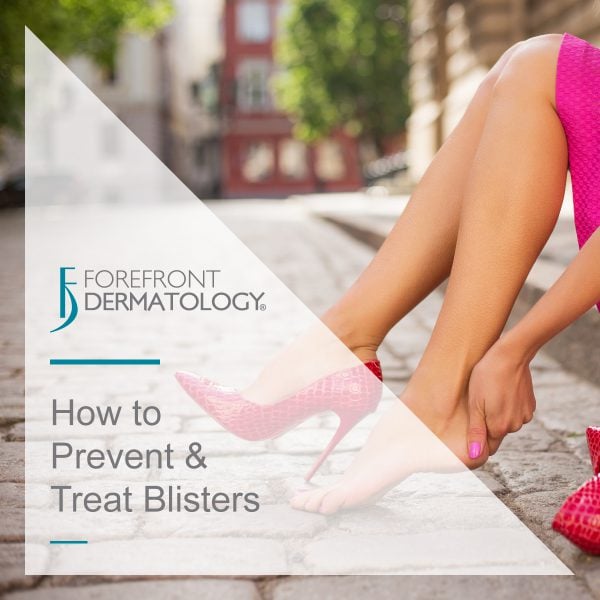
Blisters are a common skin problem that can be painful and cause discomfort. They are fluid-filled bumps on the skin that may form due to friction, burns, or infections. While blisters are usually harmless, they can lead to complications if not treated properly. Therefore, it is important to learn how to prevent and treat blisters.
Causes of Blisters
Several factors can cause blisters, including friction, burns, and allergic reactions. When the skin is rubbed against another surface, it can result in a blister. This type of blister is common on the feet and hands, where rubbing is common. Burns and scalds can also cause blisters. Infections such as herpes and chickenpox can cause blisters too.
Prevention of Blisters
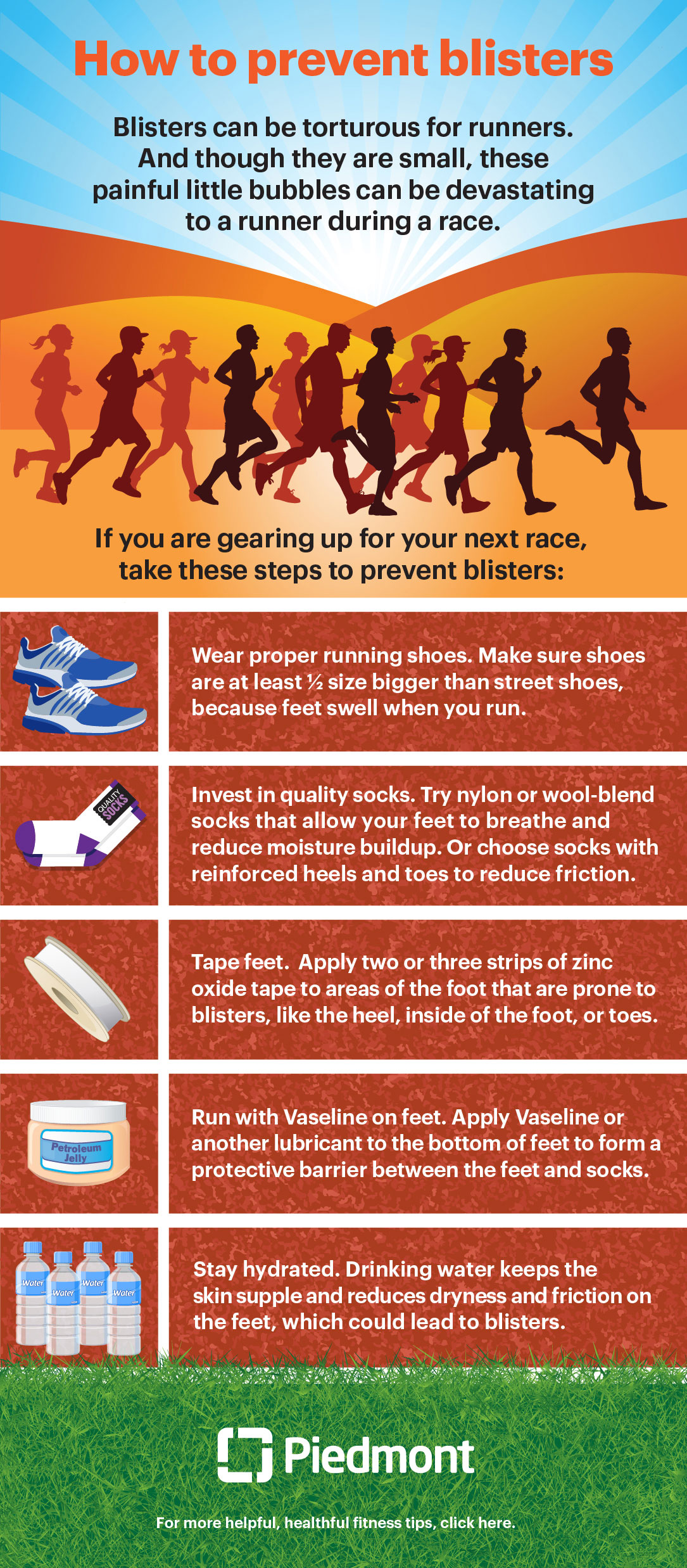
Preventing blisters is easier than treating them. Here are a few preventive measures that you can take to avoid blisters:
- Wear shoes that fit correctly.
- Wear socks that are made from breathable and moisture-wicking fabric.
- Use gloves when working with tools that cause friction.
- Avoid using harsh chemicals that can irritate the skin.
Treatment of Blisters
If you do develop a blister, there are several things you can do to treat it:
- Clean the blister with soap and water.
- Apply petroleum jelly or aloe vera to the blister to keep it from drying out.
- Apply a bandage or padding to the blister to prevent further friction.
- Avoid popping or puncturing the blister, as this can lead to infection.
Detail
If you have a blister, it is important to keep it clean and dry. Wash the blister with warm water and soap, and then apply a clean, dry bandage or dressing. If the blister is on your foot, try to wear shoes that do not rub against the area. You may also want to consider using an over-the-counter blister pad or moleskin. If your blister is large or painful, do not hesitate to seek medical attention.
Tips
If you are prone to blisters, there are a few things you can do to prevent them:
- Apply talcum powder or cornstarch to areas that are prone to friction.
- Wear shoes that are clean and dry. Wet shoes can irritate the skin and increase the risk of blisters.
- Avoid wearing shoes that are too tight or too loose.
FAQ
Q. Can blisters be caused by allergic reactions?
A. Yes, blisters can be caused by allergic reactions. If you come into contact with a substance that you are allergic to, your skin may develop blisters as a result of the reaction.
Q. Are blisters contagious?
A. Blisters are not contagious, but some infections that cause blisters, such as chickenpox, can be contagious.
Q. Is it safe to pop a blister?
A. It is not recommended to pop a blister, as this can lead to infection. If the blister is large, painful, or looks infected, seek medical attention.
Q. Can blisters be prevented?
A. Yes, blisters can be prevented. By wearing properly fitted shoes, using gloves when working with tools, and taking other preventive measures, you can reduce your risk of developing blisters.
Conclusion
Blisters are a common skin problem that can be treated easily. By taking preventive measures and knowing how to treat blisters when they occur, you can keep your skin healthy and comfortable. Remember to keep the affected area clean and dry, and seek medical attention if the blister is large, painful, or looks infected.

Post a Comment for "How To Prevent And Manage Exercise-related Blisters?"