How To Prevent And Manage Exercise-related Muscle Strains And Tears?

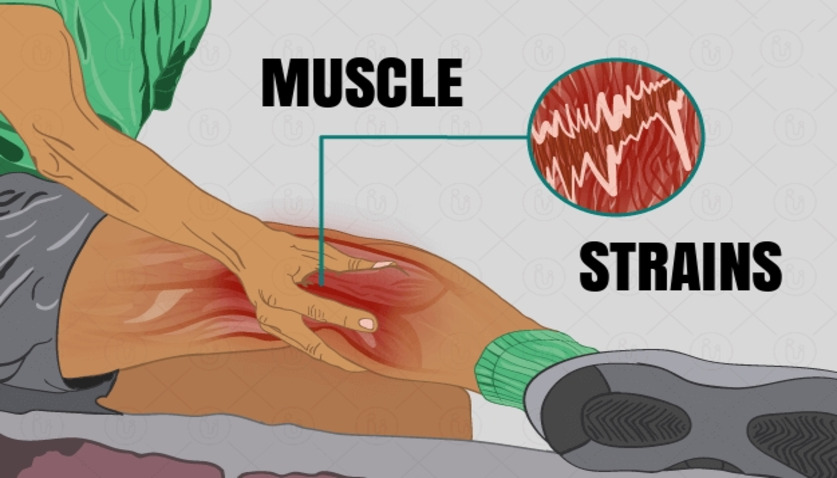
As an athlete, avoiding muscle strains and tears is crucial. These injuries can sideline you for weeks or even months, preventing you from training and competing at your highest level. Unfortunately, recurrent muscle injury is a common problem for many athletes, but there are steps you can take to prevent these injuries from happening over and over again.
Understanding Recurrent Muscle Injury
Recurrent muscle injury refers to the repeated occurrence of the same type of muscle injury in the same area of the body. For example, if you strain your hamstring muscle and then strain it again a few weeks later, that's considered recurrent muscle injury. This problem can affect athletes of all levels and ages, from high school athletes to professionals.
Causes of Recurrent Muscle Injury
There are a variety of causes of recurrent muscle injury. One of the most common is not giving the body enough time to rest and recover after an injury. In many cases, an athlete may try to return to activity too quickly, before the muscle has fully healed. This can lead to another injury in the same muscle.
Another common cause of recurrent muscle injury is inadequate warm up or cool down routines. Failing to properly prepare the muscles before activity or to properly stretch and cool them down after activity can increase the risk of injury.
Preventing Recurrent Muscle Injury
One of the best ways to prevent recurrent muscle injury is to focus on overall muscle strength and flexibility. Strong, flexible muscles are more resilient and less likely to be injured. Incorporating regular strength and flexibility training into your routine can help reduce the risk of muscle strains and tears.
In addition, make sure to give your body adequate rest and recovery time after any injury. Don't try to rush back into activity too quickly - give your body the time it needs to heal completely. Make sure to incorporate proper stretching and warm up/cool down routines into your activity as well.
Tips for Preventing Muscle Injury
- Focus on overall fitness and conditioning: In addition to strength and flexibility training, make sure to incorporate cardiovascular training and other types of workouts into your routine to keep your whole body in top shape.
- Use proper equipment: Make sure you have the right shoes, pads, and other equipment you need to properly support and protect your body during activity.
- Listen to your body: If you feel pain or discomfort during activity, stop immediately and seek medical attention if necessary. Don't push your body too hard, too fast.
- Eat a healthy, balanced diet: Proper nutrition is crucial for overall health and injury prevention. Make sure to eat a diet rich in fruits, vegetables, lean protein, and healthy fats.
FAQ: Frequently Asked Questions
Q: How can I tell if I have a muscle strain or tear?
A: Muscle strains and tears typically cause pain, swelling, and sometimes bruising in the affected area. If you experience any of these symptoms, it's important to seek medical attention right away.
Q: How long does it take to recover from a muscle strain or tear?
A: Recovery time can vary depending on the severity of the injury. Mild strains may heal within a few days, while more severe tears may require several weeks or even months of rest and rehabilitation.
Q: Can I continue to exercise during my recovery?
A: It depends on the severity of the injury. In many cases, it's best to completely rest the affected muscle until it has healed. However, in some cases, your doctor or physical therapist may recommend gentle exercises to help promote healing.
Conclusion
Recurrent muscle injury can be a frustrating and debilitating problem for athletes, but with the right approach, it can be prevented. Focusing on overall muscle strength and flexibility, giving your body adequate time to rest and recover after injury, and incorporating proper warm up and cool down routines into your activity can all help reduce the risk of recurrent muscle injury. By following these tips and listening to your body, you can stay active, healthy, and injury-free for years to come.

Post a Comment for "How To Prevent And Manage Exercise-related Muscle Strains And Tears?"