How To Prevent And Manage Exercise-related Neck Stiffness Or Discomfort?
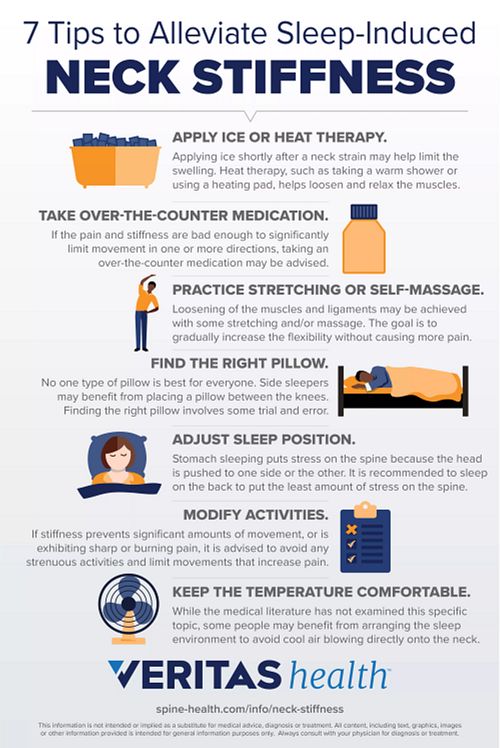
Waking up with a stiff neck can be a terrible way to start the day. Sometimes, the pain may subside as soon as you’re up and moving, but in other cases, it may stay with you all day and even go on for days on end. Such discomfort can impede your daily activities and generally make life unbearable. However, there are a number of ways you can treat a stiff neck after sleeping, ensuring that you feel better and can go about your business without pain.
The Details
A stiff neck, or neck pain, is a common condition that affects many people. It can occur due to poor sleeping position or an injury that strains the neck muscles. In most cases, the pain is mild and goes away on its own without any special treatment. However, there are instances where the pain is severe enough to require medical attention.
If you're experiencing a stiff neck after sleeping, it's important to identify the cause of your discomfort. If your pillow is too high or too hard, it can cause your neck muscles to strain, leading to neck pain. Additionally, sleeping in an awkward position or twisting your neck while you sleep can put undue pressure on your neck, leading to a stiff neck. Fortunately, there are several remedies that can help alleviate the symptoms.
Tips for Treating a Stiff Neck After Sleeping
Here are some tips to help you treat your stiff neck after sleeping:
1. Ice Therapy
Ice therapy helps to decrease inflammation and reduce pain. Wrap an ice pack in a towel and apply it to your neck for 20 minutes, several times a day for maximum effectiveness.
2. Heat Therapy
If you prefer heat therapy, heat a damp towel in a microwave for one minute, and then apply it to the painful area. Allow it to sit for 10-15 minutes before removing. You can do this a few times a day for pain relief.
3. Gentle Massage
A gentle massage can help reduce muscle tension and improve blood flow. You can use your fingers to gently massage the affected area, or use a warm towel to massage your neck gently. Do this several times a day for maximum relief.
4. Neck Stretches
Neck stretches can help relax tense muscles, especially when done in the morning. You can do some simple stretches such as rotating your head in a clockwise and anti-clockwise direction, tilting your head to one side and holding it for 10 seconds and repeating on the other side.
5. Pain Relief Medication
You can take over-the-counter pain relief medication such as Paracetamol or Ibuprofen to help relieve the pain and reduce swelling.
6. Switch Pillow
If you suspect that your pillow may be the cause, consider switching to a more comfortable pillow that supports your neck and keep the spine aligned. Look for a pillow made of foam or memory foam that can adapt to your body shape and contours.
7. Adopt Good Sleeping Habits
Your sleeping habits can contribute to your stiff neck. Therefore, it's important to ensure that you sleep in a comfortable and proper position. Use a pillow that elevates your head and supports the natural curve of your neck. Avoid sleeping on your stomach or with your arms above your head as this can cause neck strain.
8. Seek Medical Attention
If the pain persists after trying the remedies above, or you are experiencing other symptoms such as headaches or dizziness, it's important to seek medical attention. Your doctor can properly diagnose the cause of your stiff neck and provide effective treatment.
FAQ
Q: How long does a stiff neck last?
A: A stiff neck can last anywhere from a few days to a week or more. It largely depends on the severity of the pain and the underlying cause of the stiffness.
Q: Is it bad to crack your neck when you have a stiff neck?
A: Cracking your neck may provide temporary relief, but it's not a long-term solution. In fact, cracking your neck may worsen the symptoms and cause further damage to your neck muscles.
Q: Can stiff neck be prevented?
A: Yes, a stiff neck can be prevented by practicing good sleeping habits, maintaining proper posture, and exercising regularly to keep your neck muscles limber and flexible.
In conclusion, waking up with a stiff neck after sleeping can be an unpleasant experience. However, with the tips above, you can effectively treat your stiff neck and alleviate the pain. Remember to practice good sleeping habits, keep your neck limber through exercise, and seek medical attention if the pain persists.


Post a Comment for "How To Prevent And Manage Exercise-related Neck Stiffness Or Discomfort?"