What Is The Importance Of A Gradual Warm-up And Cool-down Routine?
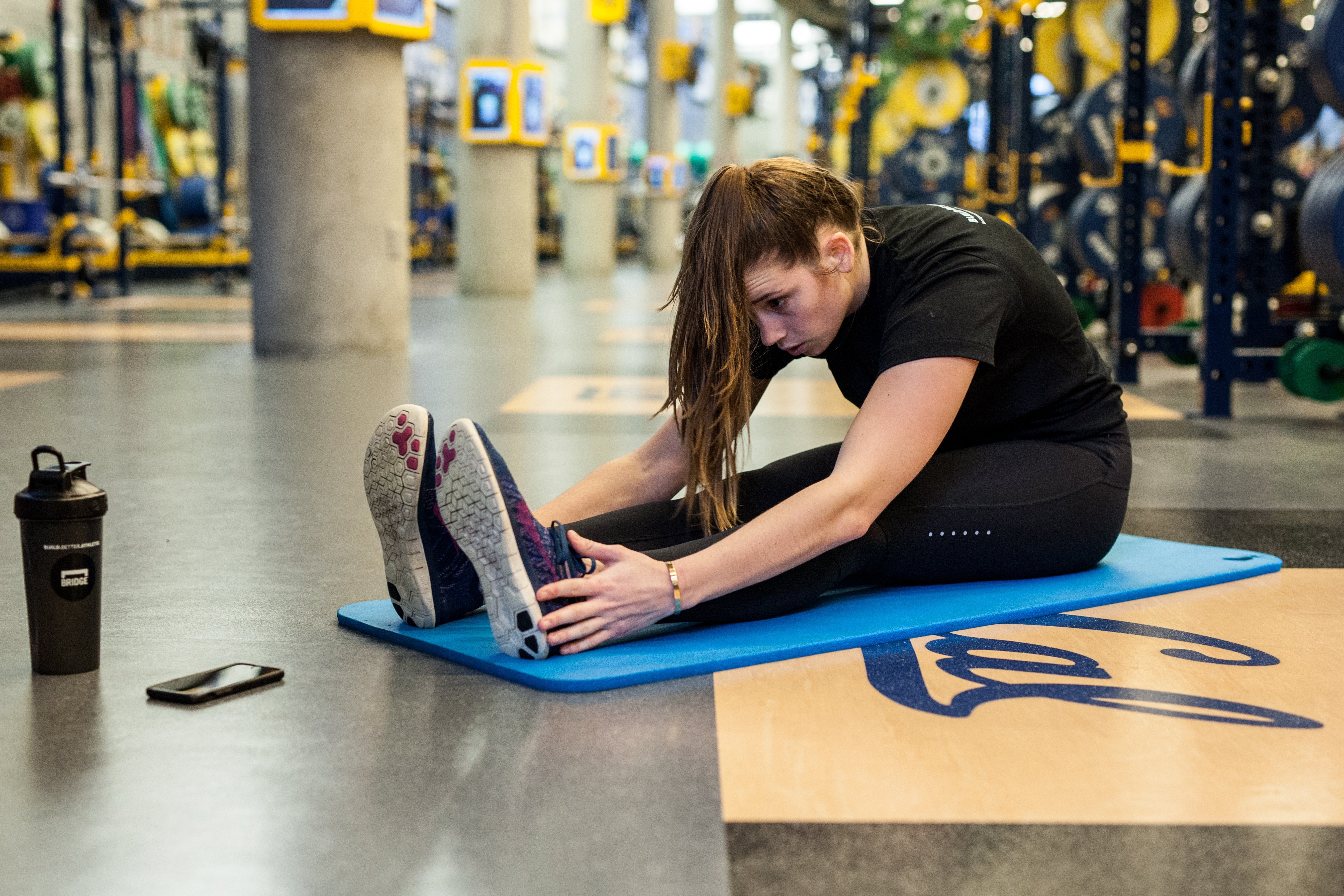
As an athlete, you know the importance of sticking to a regular exercise routine. Whether you're a seasoned pro or just starting out, it's vital to be aware of the steps you need to take before and after your workout. Warming up and cooling down are essential components of any exercise regimen, yet they are also some of the most overlooked elements.
In this post, we'll highlight the significance of warming up and cooling down and discuss some tips and frequently asked questions to ensure you're getting the most out of your workouts and avoiding injuries.
The Importance of Warm Up
A proper warm-up routine is vital for preparing your body for a workout and ensuring maximum performance. While many people assume that warming up simply means stretching or doing some light cardio, there's more to it than that.
When you engage in a warm-up routine, you're increasing your heart rate and blood flow, which helps to mobilize your joints and activate your muscles. This process helps to warm up the body, increase your range of motion, and prevent injuries.
It's important to note that the warm-up routine should be specific to the type of exercise you're planning on doing. For example, if you're planning on doing some squats or lunges, you should spend a few minutes performing bodyweight squats and lunges to warm up the muscles you'll be using.
How to Warm Up
A good warm-up routine should last between 5-10 minutes and include the following components:
- Light cardio to increase heart rate and blood flow
- Dynamic stretching to mobilize your joints and activate your muscles
- Sport-specific exercises to prepare your body for the activity you're about to do
Here's an example of a warm-up routine for runners:
- Start with a light jog for 5 minutes to increase heart rate and blood flow
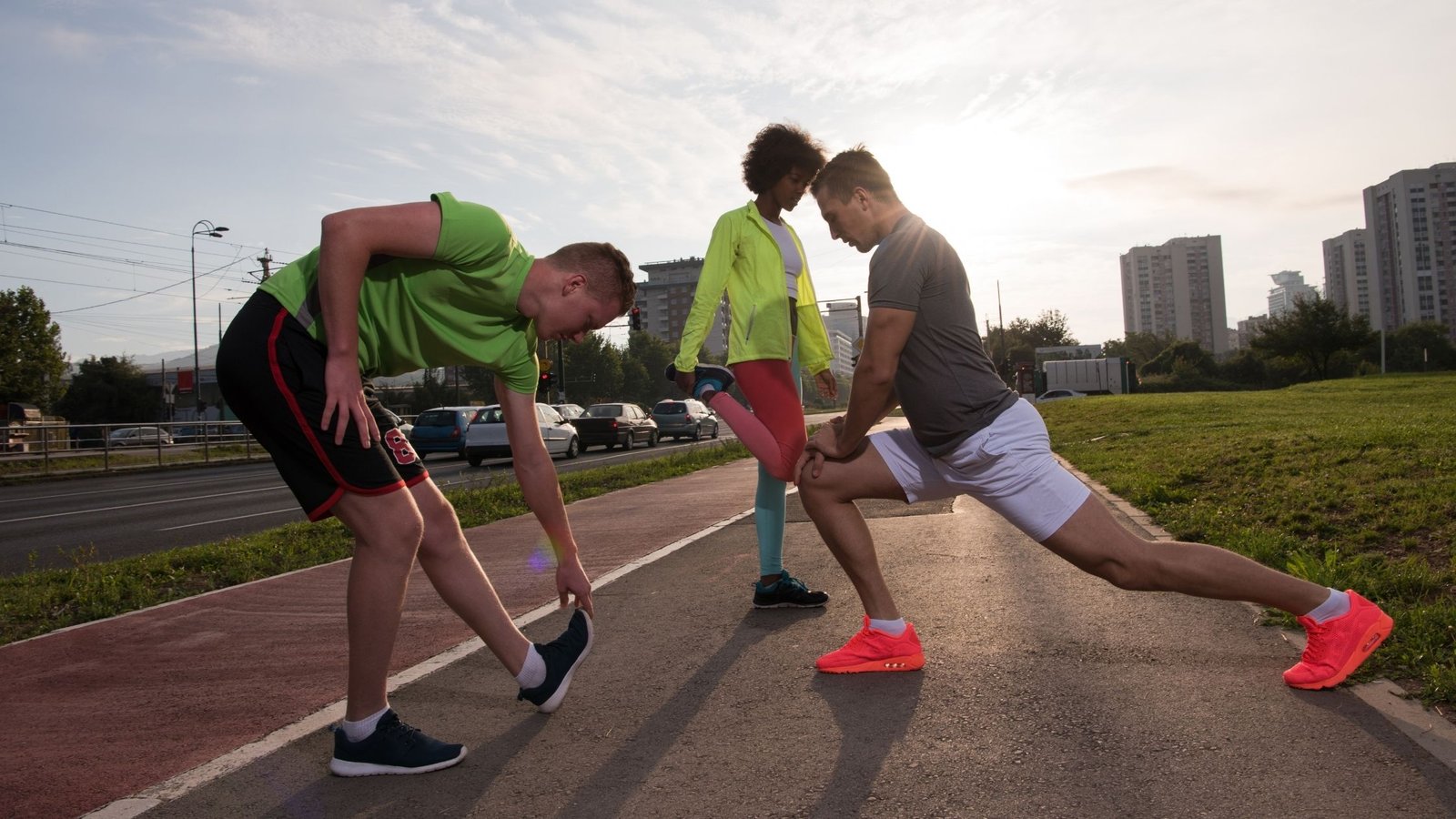
- Perform dynamic stretches, such as leg swings, knee hugs, and standing hamstring stretches
- Perform some light plyometric exercises, such as skipping or bounding
- Finish with a few strides to get your body warmed up and ready for your run
The Importance of Cool Down
After an intense workout, it's essential to allow your body time to recover properly. Cooling down helps to gradually decrease your heart rate and blood pressure and prevent blood from pooling in your limbs, which can lead to dizziness or fainting.
Cooling down also helps to reduce muscle soreness and prevent injuries by flushing out any lactic acid that has built up in your muscles during exercise.
How to Cool Down
A good cool-down routine should last between 5-10 minutes and should include the following components:
- Light cardio to gradually decrease heart rate and blood pressure
- Static stretching to help lengthen your muscles and prevent tightness
- Slow, controlled breathing exercises to help you relax
Here's an example of a cool-down routine for weightlifters:
- Finish your last set of exercises with a set of slow, controlled reps at a lighter weight
- Perform static stretches, such as tricep stretches and shoulder stretches, holding each stretch for 15-30 seconds
- Perform some light cardio, such as walking or jogging, for a few minutes to gradually decrease your heart rate and blood pressure
- End your cool-down routine with some slow, controlled breathing exercises, such as deep breathing or meditation
Tips for Effective Warm Up and Cool Down
Follow these tips to make sure you're getting the most out of your warm-up and cool-down routines:
- Make sure your warm-up and cool-down routines are specific to the type of exercise you'll be doing
- Be consistent with your warm-up and cool-down routines- don't skip them!
- Gradually increase the intensity of your warm-up routine as you progress in your training
- Use a foam roller or massage ball to help release any tight knots or trigger points before your workout
- Make stretching a regular part of your cool-down routine to help avoid injury and increase flexibility
FAQs
Here are some commonly asked questions about warming up and cooling down:
Q: How long should I spend warming up and cooling down?
A: Your warm-up and cool-down routines should last between 5-10 minutes each.
Q: Can I warm up and cool down without stretching?
A: Yes, you can warm up and cool down without stretching. Light cardio and sport-specific exercises can also adequately prepare your body for exercise.
Q:Should I warm up and cool down if I'm doing a low-impact workout, such as yoga?
A: Yes, even low-impact workouts like yoga can benefit from an adequate warm-up and cool-down routine. Stretching and light cardio can help to prevent injury and improve performance.
Q: Can I skip my cool-down routine if I'm short on time?
A: No, you shouldn't skip your cool-down routine. Cooling down is an essential part of allowing your body to properly recover after exercise. If you're short on time, try to reduce the intensity or length of your workout rather than skipping your cool-down.
Q: Can I do the same warm-up and cool-down routine every time I exercise?
A: It's best to switch up your warm-up and cool-down routines every so often to ensure you're targeting all the muscle groups you'll be using. This can also help to prevent boredom and keep your workouts interesting.
Remember that warming up and cooling down are essential components of any workout regimen. By taking the time to properly prepare your body for exercise and help it recover afterwards, you'll be able to avoid injuries, improve performance, and get the most out of your workouts.

Post a Comment for "What Is The Importance Of A Gradual Warm-up And Cool-down Routine?"