What Is The Role Of Active Recovery In Promoting Muscle Regeneration And Preventing Overtraining?
Have you ever experienced that post-workout feeling where you are so tired that getting out of bed feels like an impossible task? Maybe you've also noticed that your performance and gains are starting to plateau. Is it time for a break or are you simply overtraining?
In this post, we're going to explore the difference between regeneration and overtraining and give you some helpful tips to avoid being trapped in the latter.
What is regeneration?
Regeneration is the process by which your body heals itself after a workout. It's the time when your muscles recover, adapt, and grow. It's also the time when your body replenishes the energy it has lost during the workout.
Without proper regeneration, your body won't be able to fully adapt to your workouts, leading to a plateau in your progress and performance. In short, regeneration is essential for achieving your fitness goals.
What is overtraining?
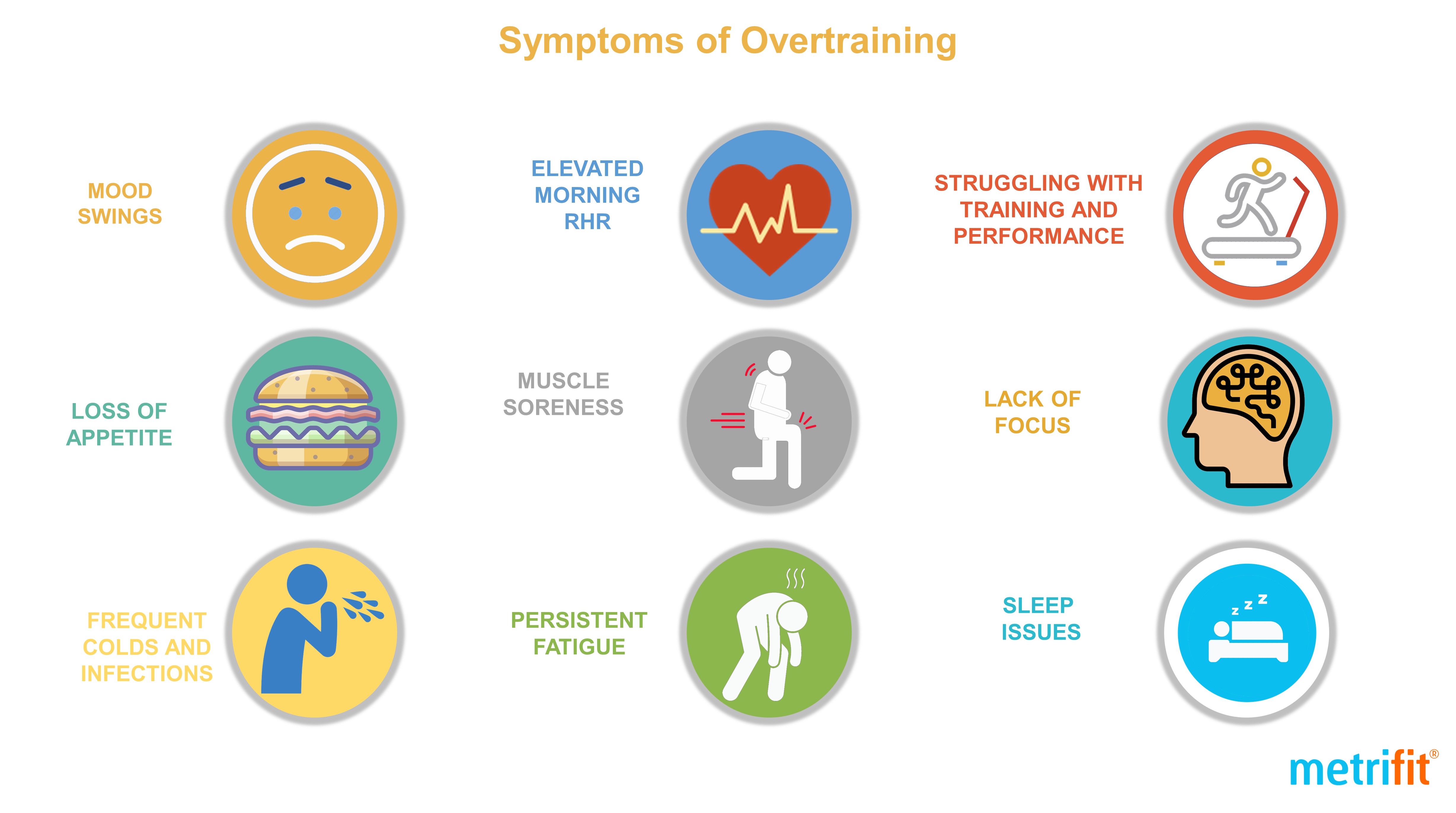
Overtraining, on the other hand, is the result of pushing your body beyond its limits without giving it enough time to recover. Overtraining can lead to a variety of symptoms, such as:
- Decreased performance
- Increased fatigue and exhaustion
- Increased risk for injury
- Insomnia
- Irritability
- Depression
- Decreased immune system function
Overtraining can also lead to the release of cortisol, a hormone that can break down muscle tissue and hinder your progress.
How to differentiate regeneration from overtraining?
Knowing the difference between regeneration and overtraining can be tricky, but there are some signs you should look out for. Firstly, if you're experiencing prolonged fatigue or soreness that doesn't go away with rest, you may be overtraining.
Another sign of overtraining is a decline in performance. If you notice that you're not able to lift as heavy or run as fast as before, it may be time to take a break.
It's also important to listen to your body and give it the rest it needs. If you're not feeling motivated to work out, it may be a sign that your body needs a break.
How to avoid overtraining?
Avoiding overtraining is all about finding the right balance between pushing yourself and giving your body enough time to recover. Here are some tips to help you find that balance:
- Get enough sleep - sleep is essential for muscle recovery and growth
- Eat a balanced diet - proper nutrition is crucial for muscle growth and energy replenishment
- Alternate hard and easy workouts - give your body time to recover after a hard workout
- Take rest days - rest days allow your body to fully recover and adapt to the workouts
- Try active recovery - activities like yoga, swimming, or walking can improve blood flow and aid in recovery
FAQs
How long should I rest after a workout?
The amount of rest you need after a workout depends on the intensity and duration of your workout. As a general rule, it's best to wait 24-48 hours before working the same muscle group again. However, listen to your body and give it the rest it needs.
How can I tell if I'm recovered?
A good way to tell if you're recovered is by monitoring how you feel during your workout. If you're able to lift or run at your usual pace and intensity, you're probably recovered. If you're struggling to perform at your usual level, it may be a sign that your body needs more rest.
Can overtraining lead to weight gain?
Overtraining can lead to weight gain if it causes an imbalance in your hormones. For example, overtraining can lead to an increase in cortisol, a hormone that can cause your body to store fat. It can also lead to an increase in appetite, which can lead to overeating and weight gain.
Final thoughts
In conclusion, regeneration and overtraining are two sides of the same fitness coin. You need proper regeneration to achieve your fitness goals, but overtraining can hinder your progress and even cause harm. Remember to listen to your body, find the right balance between pushing and resting, and always prioritize your health and well-being.

Post a Comment for "What Is The Role Of Active Recovery In Promoting Muscle Regeneration And Preventing Overtraining?"