How To Improve Hip Flexibility And Mobility For Improved Athletic Performance?
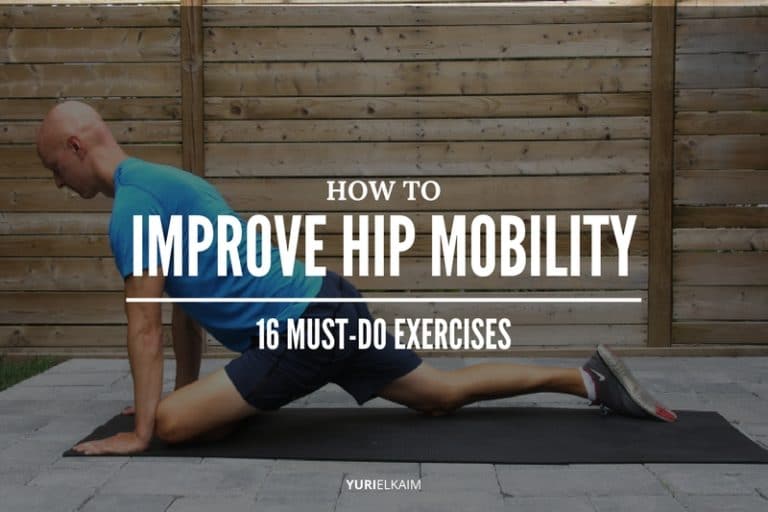
The hips are an essential part of the body. They are the joints that connect the pelvic region with the legs, and they are responsible for movement, flexibility, and stability. Therefore, maintaining good hip mobility is crucial, especially for those involved in physical activity. In this post, we will explore 16 exercises that can help improve hip mobility.
How does the hip joint work?
The hip joint is a ball and socket joint, which means that the rounded end of the thigh bone (femur) fits into the socket of the pelvis (acetabulum). The joint is surrounded and supported by various muscles, tendons, and ligaments that enable movement and provide stability. The hip joint can move in multiple directions, including flexion, extension, abduction, adduction, internal rotation, and external rotation.
Why is hip mobility important?
Good hip mobility is essential for various reasons, including:
- Better posture
- Easier movement
- Reduced risk of injury
- Improved athletic performance
- Reduced back pain and knee pain
- Enhanced overall quality of life
16 exercises to improve hip mobility
Below are 16 exercises that you can do to improve your hip mobility. Remember to take it slow and listen to your body. If any exercise causes pain or discomfort, stop immediately.
1. Hip flexor stretch
:max_bytes(150000):strip_icc()/hip-flexor-stretch-4166173-01-04-5bfe08e2c9e77c0026139dc7.jpg)
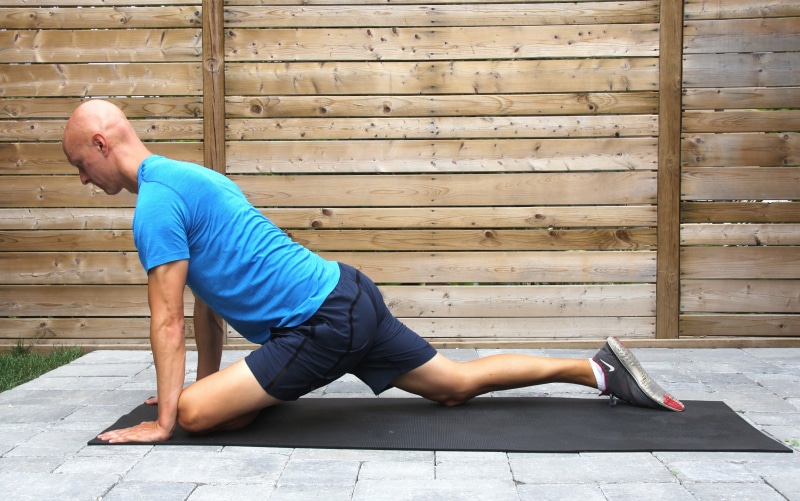
To do the hip flexor stretch, kneel on the floor with one foot in front of you, and the other leg bent behind you. Keeping your back in a neutral position, lean forward into the stretch until you feel a stretch in your hip flexors. Hold for 20-30 seconds and repeat on the other side.
2. Pigeon pose

To do the pigeon pose, begin in a plank position. Bring your right knee forward and place it behind your right wrist, with your right ankle near your left wrist. Slide your left leg back as far as possible and lower yourself onto your forearms. Hold for 20-30 seconds and repeat on the other side.
3. Lizard pose

To do the lizard pose, begin in a plank position. Bring your right foot to the outside of your right hand and lower your left knee to the floor. Place your forearms on the floor and gently lean forward into the stretch. Hold for 20-30 seconds and repeat on the other side.
4. Frog pose

To do the frog pose, begin on your hands and knees. Spread your knees as wide as possible and bring your forearms to the floor. Gently lean forward into the stretch. Hold for 20-30 seconds.
5. Butterfly stretch

To do the butterfly stretch, sit on the floor with the soles of your feet touching each other. Gently press your knees down towards the floor and hold for 20-30 seconds.
6. Seated forward fold

To do the seated forward fold, sit on the floor with your legs straight in front of you. Gently fold forward and reach towards your toes. Hold for 20-30 seconds.
7. Figure four stretch

To do the figure four stretch, lie on your back and cross your right ankle over your left knee. Gently pull your left knee towards your chest until you feel a stretch in your right hip. Hold for 20-30 seconds and repeat on the other side.
8. Wide-legged forward fold

To do the wide-legged forward fold, stand with your feet wider than shoulder-width apart. Gently fold forward and reach towards the floor. Hold for 20-30 seconds.
Tips for improving hip mobility
Along with the exercises mentioned above, here are some tips that can help improve hip mobility:
- Pay attention to your posture
- Avoid prolonged sitting
- Practice yoga or pilates
- Use a foam roller or massage ball to release tension in the hips
- Ask a physical therapist or trainer for guidance
FAQ's
1. How often should I do hip mobility exercises?
You can do hip mobility exercises daily or a few times a week, depending on your schedule and preference. It is essential to listen to your body and avoid overdoing it.
2. When should I seek medical help for hip pain?
If hip pain persists despite exercises and lifestyle changes, it is advisable to seek medical help. Other symptoms to look out for include swelling, redness, joint deformity, and inability to bear weight on the affected hip.
3. Are there any exercises I should avoid if I have hip pain?
If you experience hip pain, avoid exercises that cause discomfort or aggravate the pain. Consult a physical therapist or doctor for specific advice on exercises to avoid or modify.
In conclusion
Hip mobility is an essential aspect of overall health, and there are many exercises and tips that can help improve it. By incorporating hip mobility exercises into your routine and paying attention to your posture and habits, you can enhance your quality of life and reduce the risk of injury.

Post a Comment for "How To Improve Hip Flexibility And Mobility For Improved Athletic Performance?"