What Are The Benefits Of Practicing Martial Arts For Self-defense And Discipline?
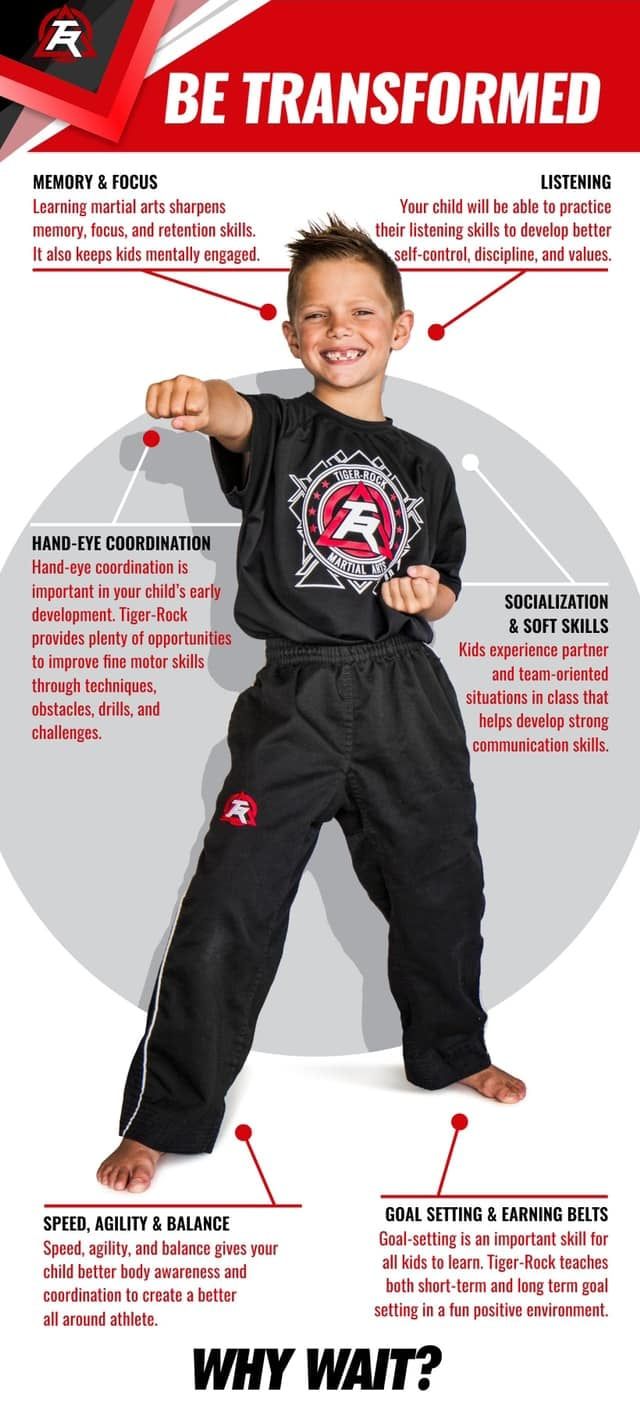
Martial arts has become increasingly popular in recent years, and for good reason. Not only is it a great way to stay in shape, but it also provides a host of benefits for both the mind and body. Whether you're a beginner or a seasoned practitioner, there are numerous advantages to practicing martial arts. In this article, we'll explore some of the key benefits of martial arts training and provide tips for getting started.
The Benefits of Martial Arts
1. Improved Physical Fitness
One of the most obvious benefits of martial arts is improved physical fitness. Training in martial arts helps to build strength, flexibility, and cardiovascular endurance, all of which can contribute to better overall health. In addition, many styles of martial arts involve high-intensity interval training, which can be a highly effective way to burn calories and improve your fitness level.
2. Increased Confidence
Practicing martial arts can also help to boost your confidence and self-esteem. As you progress in your training, you'll gain the skills and knowledge necessary to defend yourself in a variety of situations. This newfound sense of confidence can spill over into other areas of your life, such as work or personal relationships, helping you to feel more empowered in all aspects of your life.
3. Improved Mental Focus
Martial arts also requires a high degree of mental focus and discipline. As you train, you'll learn to focus your mind and block out distractions, which can be highly beneficial in other areas of your life as well. Improved mental focus can help to reduce stress, enhance cognitive function, and improve overall mental health.
4. Stress Relief
Another important benefit of martial arts is its ability to provide stress relief. Many people find that the physical and mental challenges of martial arts training help to reduce feelings of stress and anxiety. In addition, the practice of martial arts can be a great way to channel negative emotions into something positive and productive.
5. Improved Balance and Coordination
Martial arts training can also help to improve your balance and coordination. Many styles of martial arts, such as karate or taekwondo, involve complex movements that require precise coordination and balance. Training in these movements can help to improve your overall physical coordination, making it easier to perform everyday activities with greater ease and efficiency.
6. Cardiovascular Health
As we mentioned earlier, martial arts training can be a highly effective way to improve cardiovascular health. Many styles of martial arts involve intense, high-intensity workouts that get your heart rate up and your blood pumping. This increased cardiovascular activity can help to strengthen your heart and lungs, as well as improve circulation throughout your body.
7. Improved Flexibility
Martial arts training can also help to improve your overall flexibility. Many styles of martial arts involve stretching and flexibility exercises that can help to improve range of motion and reduce the risk of injury. Improved flexibility can also be beneficial in other areas of your life, such as work or hobbies that require a wider range of motion or physical dexterity.
8. Increased Self-Discipline
Finally, martial arts training can help to increase your self-discipline and self-control. Practicing martial arts requires a high level of focus and dedication, which can be highly beneficial in other areas of your life as well. By cultivating these skills through your martial arts training, you can learn to better manage your time, stick to your goals, and stay on track towards achieving your desired outcomes.
Tips for Getting Started
If you're interested in trying martial arts for the first time, there are a few tips to keep in mind. Here are some things to consider as you get started with your training:
- Choose the right style: There are many different styles of martial arts to choose from, each with its own unique benefits and characteristics. Research different styles to find one that matches your interests and fitness level.
- Find a qualified instructor: Make sure to work with a qualified instructor who can teach you proper technique and help you progress in your training.
- Start slow: Don't try to do too much too soon. Start with basic techniques and gradually build up your skills and endurance over time.
- Stay committed: Martial arts training requires a high level of commitment and dedication. Make sure you're committed to training regularly and sticking with it over the long-term.
FAQ
Q: Is martial arts right for everyone?
A: While martial arts can be highly beneficial for many people, it's not right for everyone. People with certain medical conditions or physical limitations may need to avoid certain types of martial arts training, or modify their training in order to accommodate their needs. If you're unsure whether martial arts is appropriate for you, consult with your healthcare professional before getting started.
Q: What should I wear for martial arts training?
A: The clothing you wear for martial arts training will depend on the specific style you're practicing. In general, loose-fitting clothing that allows for a wide range of motion is recommended. Many martial arts schools will provide specific guidance on what to wear for training.
Q: Will I need any special equipment for martial arts training?
A: Again, the equipment you need for martial arts training will depend on the specific style you're practicing. In general, you'll likely need some combination of protective gear (such as gloves or headgear) and training equipment (such as punching bags or mats). Your instructor can provide specific guidance on what equipment you'll need.
Q: How long does it take to become proficient in martial arts?
A: The length of time it takes to become proficient in martial arts will depend on a variety of factors, including your natural ability, your level of commitment, and the specific style you're practicing. In general, it can take several years of regular training to become highly proficient in most styles of martial arts.
In Conclusion
Martial arts training can be a highly rewarding and beneficial pursuit for people of all ages and fitness levels. Whether you're looking to improve your physical fitness, boost your confidence, or reduce stress, there are many potential benefits to be gained from practicing martial arts. By following the tips outlined in this article and staying committed to your training, you can begin to experience these benefits for yourself.


Post a Comment for "What Are The Benefits Of Practicing Martial Arts For Self-defense And Discipline?"