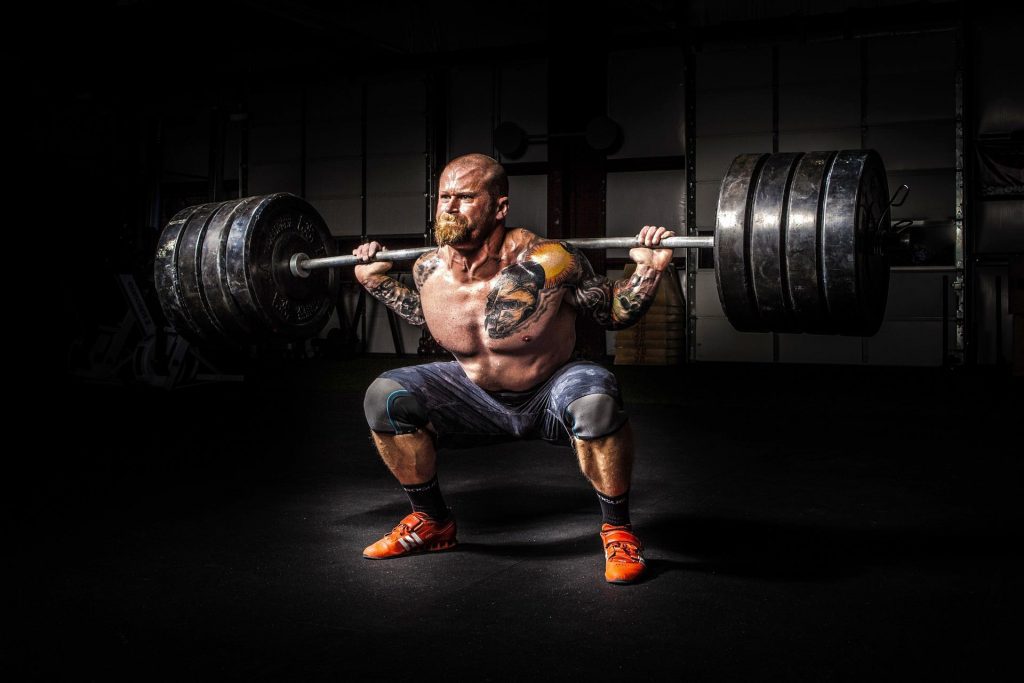
What Is The Role Of Exercise Technique In Maximizing Muscle Activation And Minimizing The Risk Of Injury?
Swimming is a popular form of exercise, offering a full-body workout while being low-impact on the joints. However, maximizing velocity while swimming can be a challenge. In this article, we will explore some techniques to help you swim faster and augment the effectiveness of your exercise.

Detail
One technique to maximize swimming velocity is by minimizing arm entry phase time. This means using a shorter entry phase when swimming backstroke and breaststroke. The entry phase is the time it takes for you to finish entering the water and begin pulling yourself forward. By shortening this phase, you can minimize drag and maximize your swimming velocity.
Another technique to maximize swimming velocity is by focusing on body positioning. Keep your body streamlined in the water, with your head down and your body in a straight line. This reduces drag and increases your swimming velocity. You can also experiment with different swimming strokes to find what works best for your body type and fitness level.
It is important to remember that improving swimming velocity takes time and practice. Be patient with yourself and take small steps to improve your technique. Start by focusing on one aspect of your swimming technique at a time and gradually work towards improving other areas.
Lastly, remember to warm up properly before swimming. This will help prepare your muscles for the exercise and minimize the risk of injury. A good warm-up routine may include a few laps of slow swimming, followed by some stretches targeting your arms, legs, and core.
Tips
Here are some additional tips to help you maximize your swimming velocity:
- Practice regularly and consistently.
- Join a swim club or class to learn from and swim with experienced swimmers.
- Use swim equipment like fins or paddles to help improve technique.
- Breathing techniques can also help improve swimming velocity as proper breathing can increase the amount of oxygen available to your muscles.
FAQ
Q: Can anyone learn to swim faster?
A: Yes, anyone can learn to swim faster with practice and proper technique. It takes time and consistency to improve your swimming velocity.
Q: Is swimming a good form of exercise?
A: Yes, swimming is a low-impact, full-body workout that can be great for people of all fitness levels and ages. It offers a cardiovascular workout and helps improve muscle strength and endurance.
Q: How often should I swim to improve my swimming velocity?
A: It is recommended to swim at least three times a week, focusing on improving one aspect of your technique each session. Consistency is key when it comes to improving your swimming velocity.
Q: Do I need expensive equipment to swim faster?
A: No, you don't need expensive equipment to swim faster. However, using fin or paddles can help improve technique and swimming velocity. You can also use a kickboard or pull buoy to isolate different parts of your body for more targeted practice.
Q: Should I warm up before swimming?
A: Yes, warming up before swimming is important to prepare your muscles for the exercise and minimize the risk of injury. A good warm-up routine may include a few laps of slow swimming, followed by some stretches targeting your arms, legs, and core.
Remember, swimming is a great form of exercise, but maximizing your swimming velocity takes practice and patience. Use the techniques and tips outlined in this article to help you improve your technique and overall swimming velocity. Happy swimming!
Post a Comment for "What Is The Role Of Exercise Technique In Maximizing Muscle Activation And Minimizing The Risk Of Injury?"