How To Prevent And Manage Exercise-induced Muscle Soreness Or Stiffness?

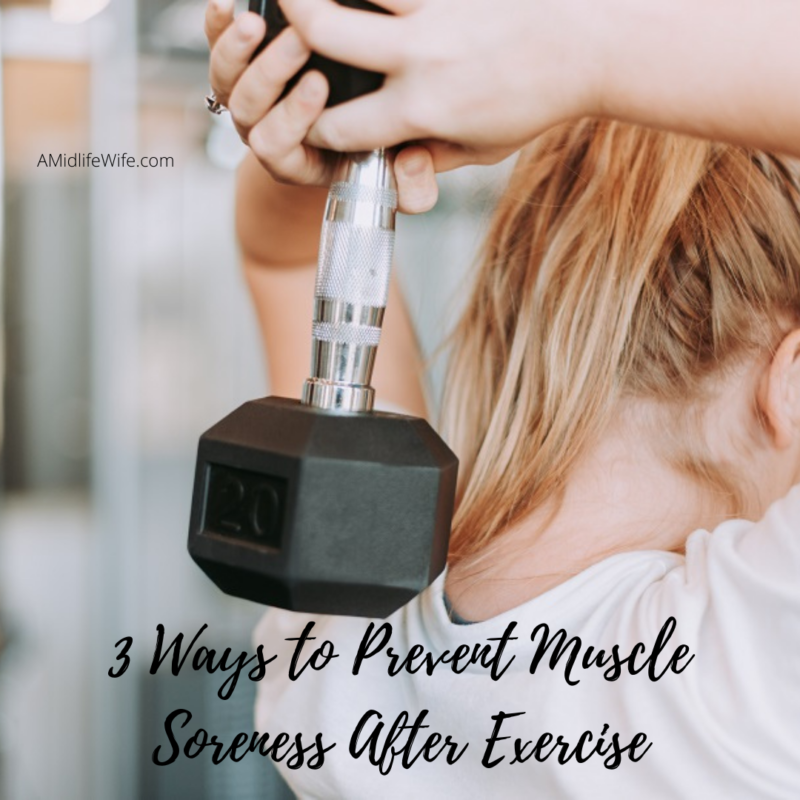
If you have been hitting the gym hard lately, or are just starting out with intense workouts, you’ve probably experienced muscle soreness. Muscle soreness is a common side effect of taking your body beyond its normal limits, and it can be really frustrating. Here are some tips for proper recovery and relieving muscle soreness:
8 Ways to Relieve Muscle Soreness:
1. Stretching
Before and after workout sessions, it’s crucial to incorporate stretching in your routine. Stretching helps keep your body flexible and prepares it for the workout it’s about to endure. Stretching also helps improve blood flow and reduces the risk of injury.
2. Warm-Up
Before getting into the workout, it’s recommended that you warm-up for about 10-15 minutes. Warm-up exercises can include anything from walking or jogging to doing some light cardio. This will prepare your body and muscles for a more intense workout.
3. Hydration
Drinking water is essential when it comes to any workout. It helps keep your body hydrated and helps transport oxygen to your muscles. Dehydration has been linked to muscle soreness, so make sure you stay hydrated before, during, and after your workout.
4. Rest
Rest is essential when it comes to muscle soreness. Your muscles need time to recover and heal, so make sure you take some time to rest in between workouts. Over-exerting yourself can lead to more injury and soreness.
5. Massage
Massage is an excellent way to relieve muscle soreness. It can help reduce inflammation and increase blood flow. You can use a foam roller or a massage ball, or you can even go for a full-body massage to feel great relief.
6. Epsom Salt Bath
Epsom salt has been used for centuries to relieve aches and pains. Adding Epsom salt to your bathwater can help reduce muscle soreness and promote relaxation. Epsom salt has magnesium, which is great for relieving tension in your muscles and promoting better sleep.
7. Ice and Heat Therapy
Ice and heat therapy are great ways to relieve muscle soreness. Ice helps reduce inflammation while heat promotes blood flow and loosens up tight muscles. You can use a heating pad or a cold compress to help alleviate soreness.
8. Eat Healthy
Eating healthy foods can help reduce inflammation and promote muscle recovery. Eating fruits, vegetables, and lean proteins can provide your body with the nutrients it needs to rebuild muscle and reduce soreness.
Recovery and Muscle Soreness
Recovery is an essential part of any workout routine. Your body needs time to recuperate and repair itself after an intense workout. By following the above tips, you can reduce muscle soreness and promote better recovery to achieve your fitness goals.
Tips:
- Don’t push yourself too hard. Listen to your body and take breaks as needed.
- Make sure you are using proper form when lifting weights or doing any exercise.
- Get enough sleep. Sleep is essential for muscle recovery and repair.
FAQ:
Q: How long does muscle soreness last?
A: Muscle soreness can last anywhere from a couple of days to a week, depending on the intensity of the workout and the individual. However, if muscle soreness lasts for more than a week, it’s essential to consult a doctor.
Q: Can muscle soreness occur days after a workout?
A: Yes, delayed onset muscle soreness (DOMS) can occur one to two days after a workout and can last up to a week.
Q: Is it okay to workout with muscle soreness?
A: It’s okay to workout with minor muscle soreness, but listen to your body, and don’t push yourself too hard. Too much exertion can lead to further injury.
Remember, proper recovery is essential to your overall fitness and health. By following the above tips, you can build a stronger and healthier body.


Post a Comment for "How To Prevent And Manage Exercise-induced Muscle Soreness Or Stiffness?"