What Is The Importance Of Post-workout Nutrition For Replenishing Glycogen Stores And Promoting Muscle Repair?
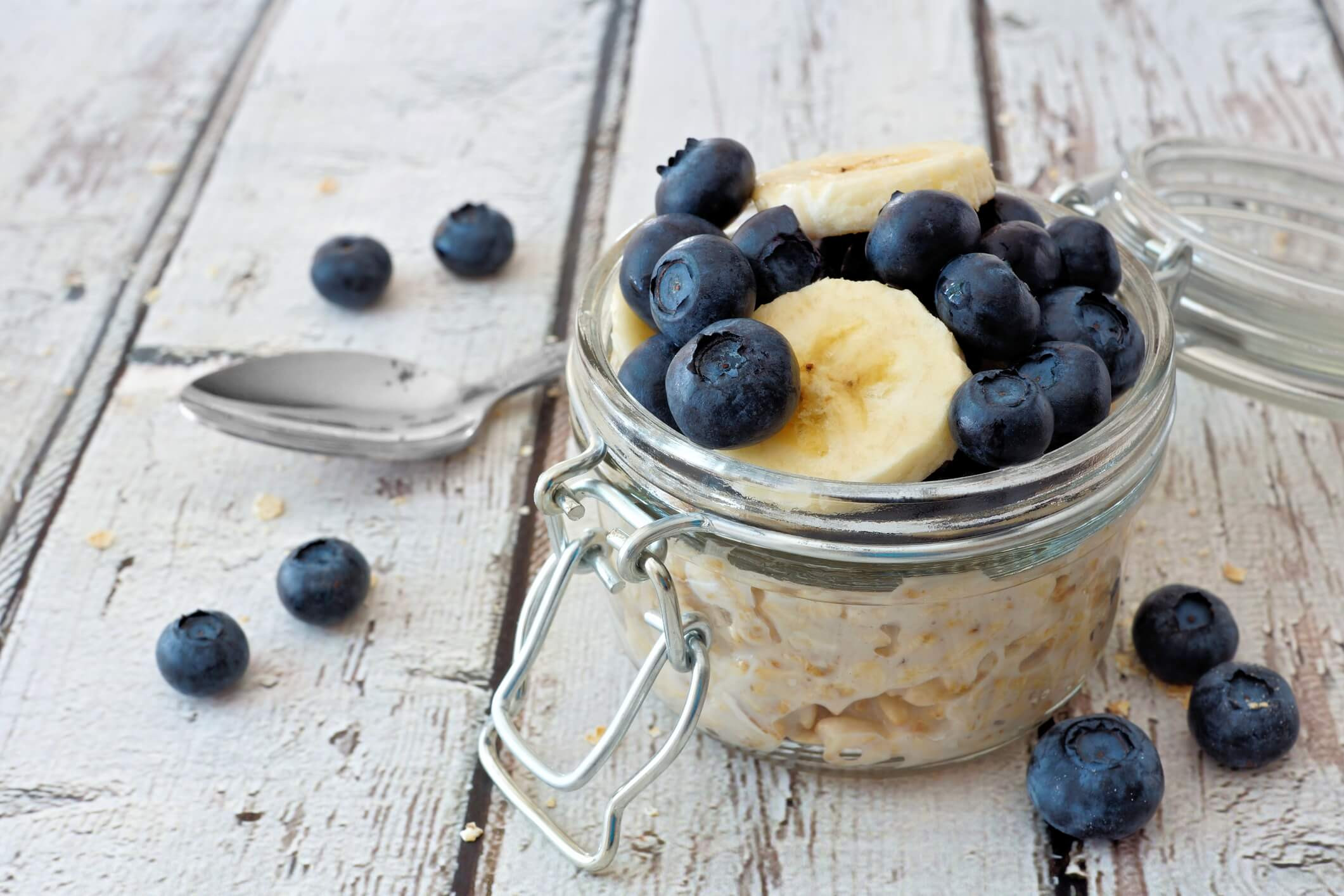
Are you an athlete looking to improve your performance and speed up your recovery time? The key could be as simple as changing your diet!
The Importance of Nutrition in Sports
Nutrition plays a vital role in an athlete's performance and recovery. Eating the right foods can help boost energy levels, improve endurance, and reduce inflammation in the body. It can also help with muscle repair and growth, which is essential for recovery after rigorous training or competitions.
The Basics of a Performance-Boosting Diet
So, what should an athlete's diet consist of? First and foremost, it is essential to consume a sufficient amount of calories to fuel the body. This means eating enough carbohydrates, protein, and healthy fats to meet daily energy requirements.
Carbohydrates are particularly important for athletes, as they are the body's primary source of energy. Good sources of carbohydrates include fruits, vegetables, whole grain pasta, bread, and rice.
Protein is also crucial for muscle repair and growth. Athletes should aim to consume around 1.2-1.7 grams of protein per kilogram of body weight per day. Good sources of protein include lean meats, fish, eggs, nuts, and legumes.
Healthy fats, such as those found in avocados, nuts, and fatty fish, are also important for overall health and can help with inflammation reduction.
Timing Your Meals
In addition to eating the right foods, when you eat can also impact your performance and recovery. It's best to consume a meal or snack containing carbohydrates and protein within 30 minutes to an hour after exercise to help with muscle recovery and glycogen replenishment. It's also important to consume carbohydrates before exercise to provide the body with the necessary energy to perform at its best.
Hydration
Staying hydrated is also essential for athletes to perform at their best. Aim to drink at least 8-10 glasses of water per day and consume fluids during exercise to replace lost sweat.
Supplements
While it's best to get nutrients from whole foods, certain supplements can also help improve performance and recovery. Creatine, for example, has been shown to enhance muscle strength and growth, while caffeine can boost energy and endurance during exercise.
Tips
Here are some additional tips for optimizing your diet for performance and recovery:
- Avoid processed and sugary foods, which can lead to inflammation and energy crashes.
- Vary your diet to ensure you're getting a wide range of nutrients.
- Plan your meals and snacks in advance to ensure you always have healthy options on hand.
- Consider working with a registered dietitian to create a personalized nutrition plan.
FAQs
Q: Are carbohydrates bad for athletic performance?
A: No, carbohydrates are essential for providing energy to the body during exercise. However, it's important to consume complex carbohydrates, such as those found in whole grains and vegetables, rather than simple carbohydrates, such as those found in sugary foods.
Q: Should I skip meals to lose weight?
A: No, skipping meals can actually harm athletic performance by causing a decrease in energy levels and muscle loss. It's essential to consume enough calories and nutrients to fuel the body.
Q: Can I still enjoy my favorite treats?
A: Yes, it's okay to indulge in treats in moderation. However, it's essential to prioritize nutrient-dense foods that provide the body with the necessary fuel for athletic performance and recovery.
Final Thoughts
By following a performance-boosting diet, athletes can improve their energy levels, endurance, and recovery time. Remember to eat a balanced diet with adequate carbohydrates, protein, and healthy fats, stay hydrated, and consider working with a registered dietitian for personalized nutrition advice.


Post a Comment for "What Is The Importance Of Post-workout Nutrition For Replenishing Glycogen Stores And Promoting Muscle Repair?"