What Is The Role Of Foam Rolling In Relieving Muscle Tightness And Improving Range Of Motion?

If you're like many people, you might suffer from discomfort or tightness in your muscles from time to time. Perhaps you're an athlete or fitness enthusiast, or you spend long hours at a desk. Either way, foam rolling can be incredibly helpful for alleviating muscle tension, improving flexibility, and reducing soreness. Here are some key foam rolling exercises that can help you feel better and get more out of your workouts.
Detail
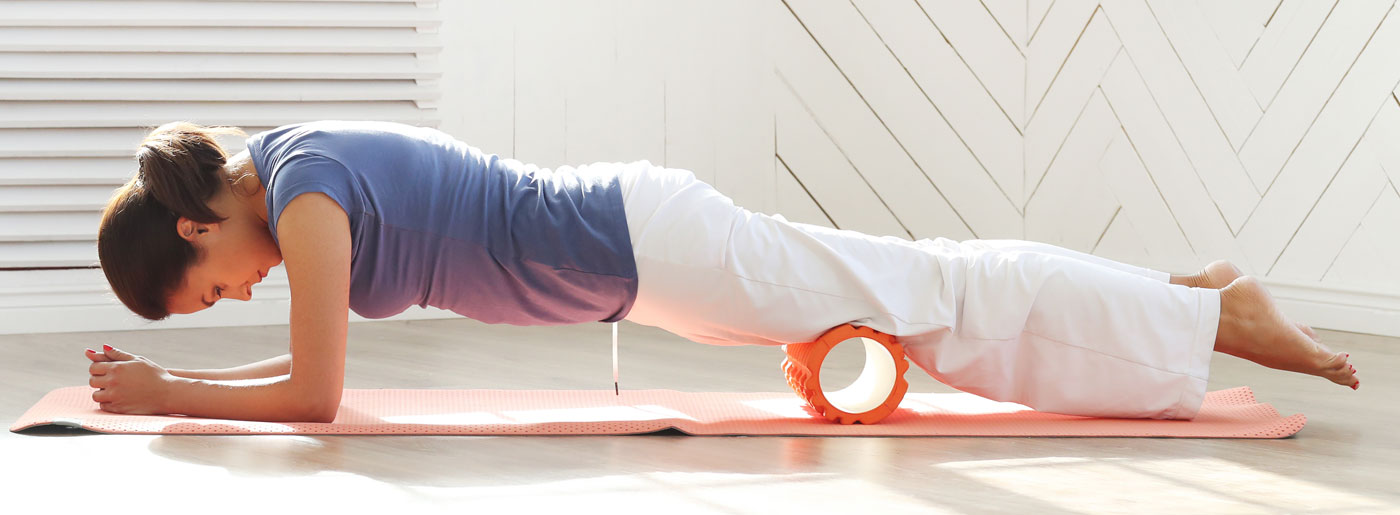
The first exercise to try is the foam rolling quad stretch. Lie on your stomach with your legs straight behind you and the foam roller positioned under your hips. Slowly roll back and forth, using your hands to guide yourself on the roller. This movement targets your quadriceps, which are often tight and overused in many activities.
The second exercise is the foam rolling lat release. Lie on your side with your arm extended above your head, and the foam roller placed under your armpit. Slowly roll up and down along your outer ribcage and back muscle, taking care not to overdo it. Lats can become tight and painful, especially if you spend long hours sitting at a desk or doing overhead movements in the gym.
The third exercise is the foam rolling thoracic spine extension. Lie with your back on the foam roller, bending your knees and placing your feet on the ground. Place your hands behind your head, elbows pointing outwards, and slowly roll up and down the length of your upper back. This helps to stretch and mobilize your thoracic spine, which can become stiff and painful with poor posture or repetitive movement patterns.
The fourth exercise is the foam rolling gluteal stretch. Sit on the roller with one foot crossed over the opposite knee, and the other leg stretched out straight. Slowly roll back and forth along your buttock and hip area, using your hands to shift your body weight as needed. Tight glutes can cause lower back pain and inhibit your range of motion in many exercises.
The fifth exercise is the foam rolling hamstring release. Sit with your legs outstretched in front of you and the foam roller positioned under your upper thighs. Roll up and down along your hamstrings, adjusting the angle of your legs to target different areas. Tight hamstrings can contribute to poor posture and limited performance in many activities.
The sixth exercise is the foam rolling calf release. Sit with the roller positioned under your calf muscle, and your hands supporting your weight behind you. Roll up and down along your calf, adjusting the angle of your foot to target different areas. Tight calves can lead to foot and ankle problems, as well as reduced performance in activities that involve running or jumping.
The seventh exercise is the foam rolling IT band release. Lie on your side with the foam roller positioned under your outer thigh, just above the knee. Slowly roll up and down along your IT band, which is a thick band of connective tissue that runs from your hip to your knee. This area can be particularly tight and painful in runners and other athletes.
The eighth exercise is the foam rolling upper back release. Stand with your back against a wall, and position the foam roller between your shoulder blades. Slowly roll up and down along your upper back, using your legs to control the pressure. This exercise can be especially helpful for those who suffer from upper back pain, poor posture, or tension headaches.
Tips
When performing foam rolling exercises, always go slow and use controlled movements. Avoid putting pressure on joints or bony areas, and try to relax your muscles as you roll over them. Breathe deeply and evenly, and stop if you experience any sharp pain or discomfort.
It's a good idea to foam roll before and after exercise, especially if you're doing a high-intensity workout or using heavy weights. This can help to warm up your muscles and prevent injury, as well as reduce soreness and stiffness afterwards. You can also incorporate foam rolling into your daily routine, either as part of your warm-up or cool-down, or as a standalone activity.
If you're new to foam rolling, start with the simplest exercises and gradually work your way up to more advanced variations. You can also seek guidance from a qualified fitness professional or physical therapist, who can help you perform the exercises correctly and safely.
FAQ
Q: Is foam rolling safe for everyone?
A: Foam rolling can be safe for most people, but it's important to take precautions if you have specific health conditions or injuries. For example, if you have a herniated disc, osteoporosis, or inflammatory arthritis, foam rolling may not be appropriate. Always consult with a medical professional before beginning a new exercise program, especially if you have any underlying health concerns.
Q: How often should I foam roll?
A: You can foam roll as often as you like, although most experts recommend at least 2-3 sessions per week to see improvements in flexibility and pain relief. However, you don't want to overdo it, as too much foam rolling can cause muscle soreness or injury.
Q: Can foam rolling help with cellulite?
A: While foam rolling may help to improve circulation and reduce fluid buildup, there's not enough scientific evidence to suggest that it can effectively treat or prevent cellulite. Other lifestyle changes, such as a healthy diet and exercise plan, may be more effective for reducing the appearance of cellulite.
Overall, foam rolling is a simple and effective way to improve your muscle health, flexibility, and comfort. By incorporating these exercises into your routine, you can feel better and get more out of your workouts, whether you're an athlete, fitness enthusiast, or just looking to feel your best. Give foam rolling a try today!

Post a Comment for "What Is The Role Of Foam Rolling In Relieving Muscle Tightness And Improving Range Of Motion?"