What Is The Role Of Nutrition In Fueling Workouts And Optimizing Performance?

Are you an athlete looking to improve your performance through nutrition? Look no further than this informative talk on fueling for performance. Experts in the field discuss the latest research and offer practical tips for optimizing your diet for maximum results.
Detail
One of the key takeaways from this talk is the importance of carbohydrates in fueling athletic performance. Carbs are the body's primary source of energy, so it's critical to consume enough of them to maintain training intensity and prevent fatigue. Experts advise consuming 3-12 grams of carbohydrates per kilogram of body weight daily, with higher amounts required for endurance athletes.
But it's not just about carbs - athletes also need a balance of protein and healthy fats to support muscle recovery and overall health. Adequate hydration is also crucial, with guidelines recommending drinking roughly 1 liter of water per hour of exercise.
Tips
Looking for practical tips on how to fuel your workouts? Experts recommend consuming a meal or snack containing carbohydrates and protein within 30 minutes of exercise to kickstart muscle recovery and replenish glycogen stores. Examples of good post-workout options include a banana with peanut butter, Greek yogurt with fruit, or a protein shake.
During longer workouts, aim to consume about 30-60 grams of carbohydrates per hour to maintain endurance. Some good options include sports drinks, gels, or chews, all of which are designed to be easily digestible and provide quick energy.
To prevent dehydration, it's important to hydrate before, during, and after exercise. Aim to consume 16-20 ounces of water or sports drink 2-3 hours before exercise, and then 7-10 ounces every 10-20 minutes during exercise. After exercise, aim to drink at least 20 ounces of fluid for every pound lost during exercise.
FAQ
Q: What are the best foods to eat for muscle recovery?
A: To support muscle recovery, it's important to consume a balance of carbohydrates and protein. Good options include Greek yogurt with fruit, a protein shake, or a turkey sandwich on whole wheat bread.
Q: How much water should I drink during exercise?
A: Aim to drink 7-10 ounces of water or sports drink every 10-20 minutes during exercise to prevent dehydration. This may vary depending on factors such as temperature and exercise intensity.
Q: Do I need to consume protein during exercise?
A: While protein is important for muscle recovery, it's not typically necessary to consume during exercise. Instead, focus on consuming easily digestible carbohydrates to maintain energy levels.
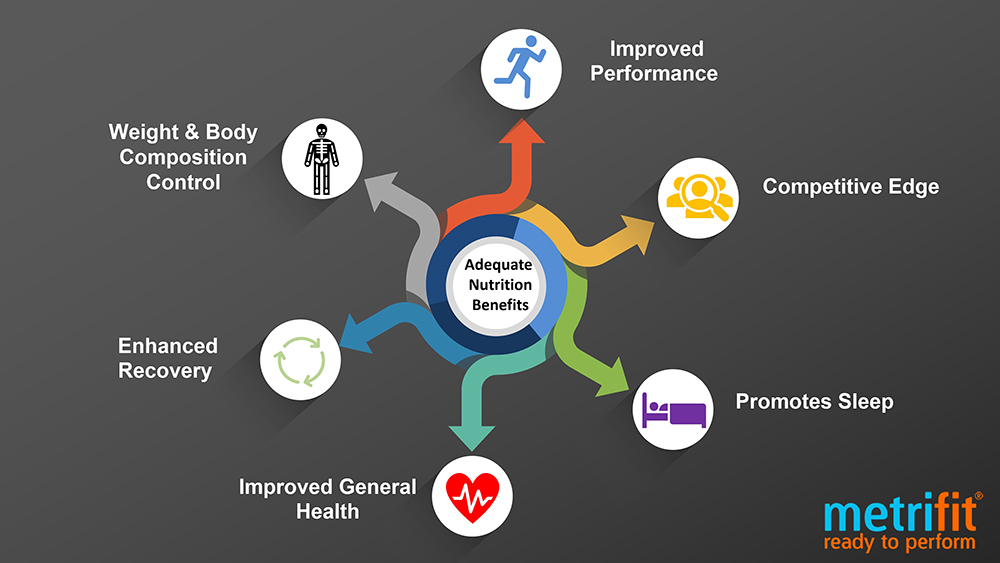
Overall, optimizing your diet for athletic performance requires a balance of carbohydrates, protein, and healthy fats, along with adequate hydration. By following these guidelines and incorporating fueling strategies into your workouts, you can maximize your training and achieve your performance goals.

Post a Comment for "What Is The Role Of Nutrition In Fueling Workouts And Optimizing Performance?"