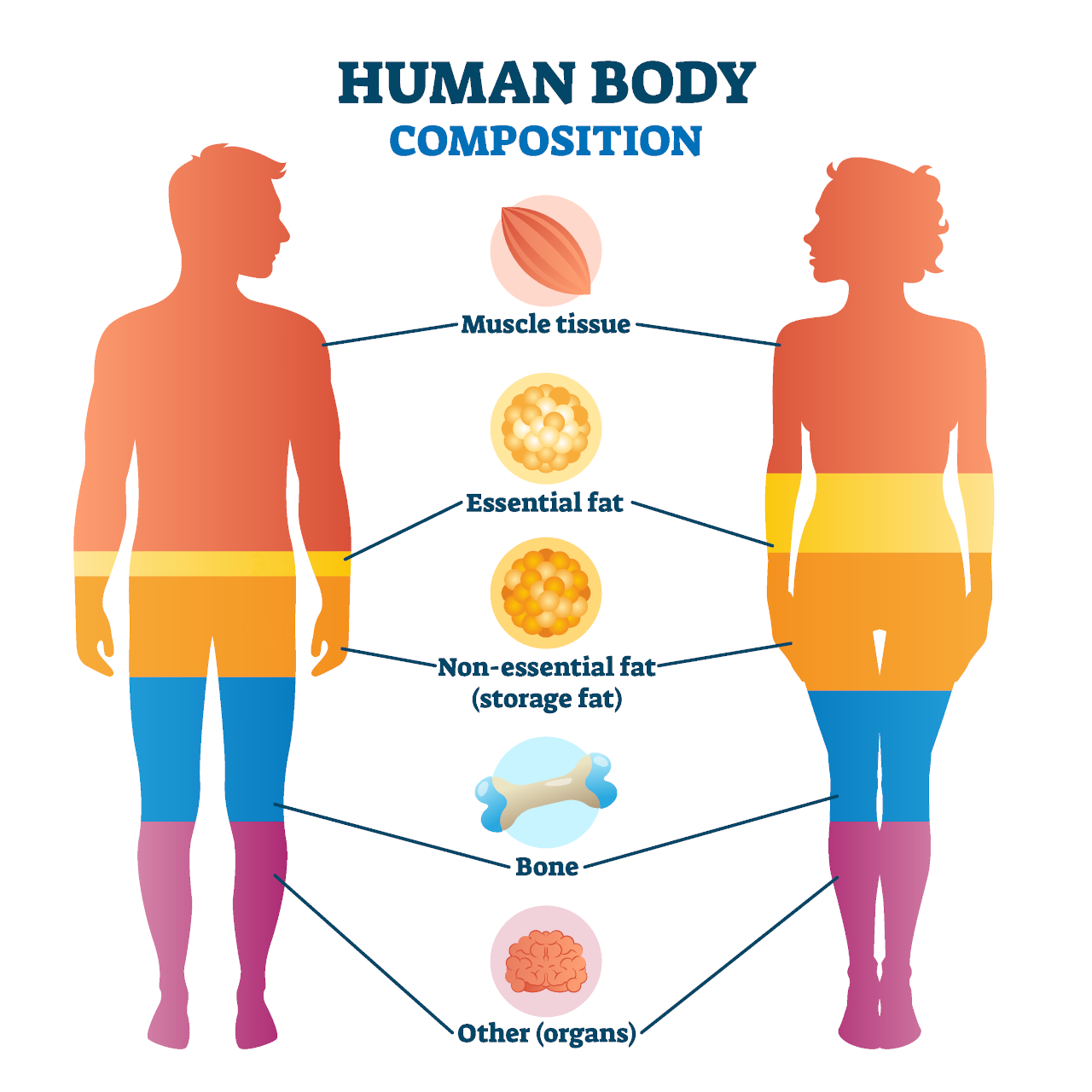
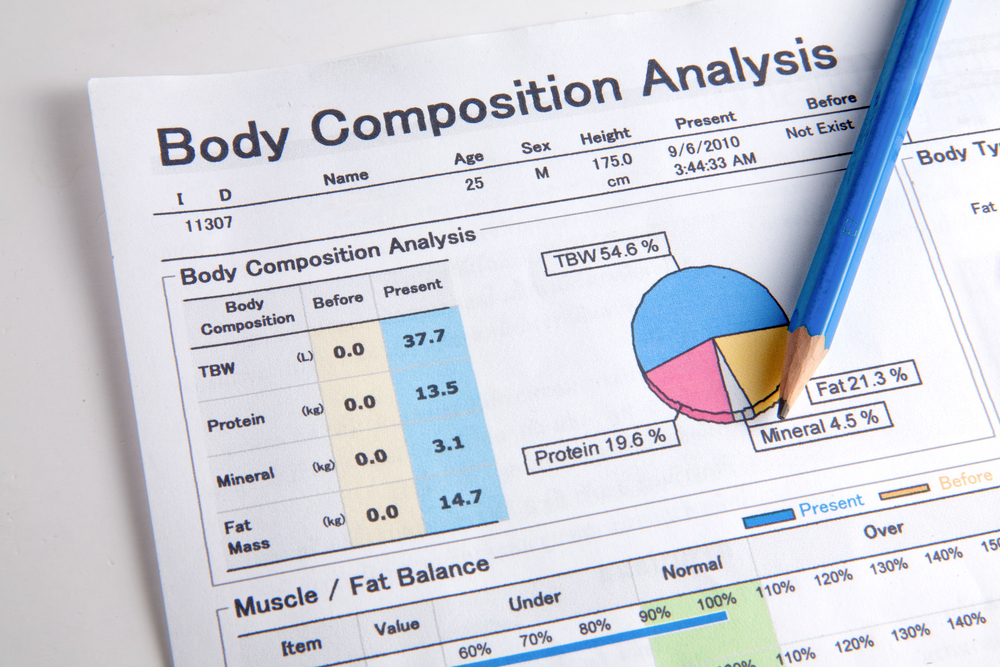
What Is The Role Of Nutrition In Maintaining Healthy Body Composition And Weight Management?
In today's fast-paced world, it can be difficult to maintain a healthy weight. However, it's important to do so for a variety of reasons. Not only will a healthy weight help you feel your best, but it can also decrease your risk for a number of health problems, including heart disease, stroke, and diabetes.
Here are some tips for maintaining a healthy weight:
1. Eat a balanced diet. This means getting plenty of fruits, vegetables, whole grains, and lean proteins. Avoid foods that are high in saturated and trans fats, added sugars, and sodium.
2. Watch your portion sizes. It's easy to overeat when restaurants and fast food chains offer large portions. Try splitting a meal with someone or taking half home for later.
3. Get moving. Exercise is essential for maintaining a healthy weight. Aim for at least 150 minutes of moderate-intensity exercise each week, such as brisk walking or cycling.
4. Stay hydrated. Drinking plenty of water can help you feel full and prevent overeating. Aim for 8-10 glasses of water per day.
5. Get plenty of sleep. Lack of sleep can throw off your hormones and make you more likely to overeat. Aim for 7-9 hours of sleep per night.
6. Manage stress. Stress can lead to overeating and weight gain. Try stress-reducing techniques such as meditation, yoga, or deep breathing exercises.
7. Track your progress. Keeping track of your weight, diet, and exercise can help you stay on track and make adjustments as needed.
8. Seek support. Trying to maintain a healthy weight can be challenging. Seek support from friends, family, or a support group.
Details
Maintaining a healthy weight is not just important for physical health. It can also have an impact on mental health. Studies have shown that being overweight or obese can increase the risk of depression, anxiety, and low self-esteem.
One reason for this may be the stigma that overweight and obese individuals face. They may be discriminated against in the workplace or in social situations. They may also face challenges when it comes to finding clothing or participating in certain activities.
Despite these challenges, it's important to remember that everyone deserves to be treated with respect and dignity, regardless of their weight. If you're struggling with your weight, seek support from a healthcare provider or a counselor.
Tips
Here are some additional tips for maintaining a healthy weight:
- Choose healthy snacks such as fruits, vegetables, and nuts.
- Avoid skipping meals, as this can lead to overeating later in the day.
- Avoid fad diets or extreme weight loss methods, as they are usually not sustainable and may even be harmful to your health.
- Be mindful of alcohol consumption, as it can be high in calories and contribute to weight gain.
- Find physical activities that you enjoy, such as dancing, swimming, or hiking.
- Don't be too hard on yourself if you slip up. Remember that healthy habits take time to develop.
FAQ
Q: How often should I weigh myself?
A: This is a personal decision and may depend on your individual body and goals. Some people find it helpful to weigh themselves every day, while others may only weigh themselves once a week or less. Just remember that weight can fluctuate day to day and may not be the most accurate reflection of progress.
Q: Can I still enjoy my favorite foods?
A: Yes! It's important to enjoy the foods you love in moderation. The key is to balance indulgences with healthy choices the rest of the time.
Q: Do I need to exercise every day?
A: No. Aim for at least 150 minutes of moderate-intensity exercise per week, which can be broken up into shorter sessions throughout the day or week. However, any amount of exercise is better than none.
Q: What if I have a medical condition that makes it difficult to exercise?
A: Talk to your healthcare provider about safe and appropriate exercises for your condition. They may be able to recommend modifications or alternative exercises that are safe for you.
Q: What if I don't have access to healthy foods or a gym?
A: There are still plenty of ways to maintain a healthy weight without access to a gym or expensive foods. Walking, jogging, or doing bodyweight exercises at home can be effective for weight loss. When it comes to food, try to choose the healthiest options available, such as fresh fruits and vegetables or lean proteins like chicken or fish.
Maintaining a healthy weight is an important part of taking care of your overall health and well-being. By following these tips and seeking support when needed, you can achieve your weight loss goals and feel your best.

Post a Comment for "What Is The Role Of Nutrition In Maintaining Healthy Body Composition And Weight Management?"