What Is The Role Of Periodization In Training Programs For Long-term Progress And Injury Prevention?

If you're looking to take your training to the next level, then periodization could be the answer. Periodization training is a method of structuring your workouts into specific phases to help you reach your fitness goals.
Here, we'll go through everything you need to know about periodization training to help you get started.
What is Periodization Training?
Periodization training involves dividing your training program into specific phases or cycles. Each phase has a specific focus and aim to help you make progress towards your fitness goals.
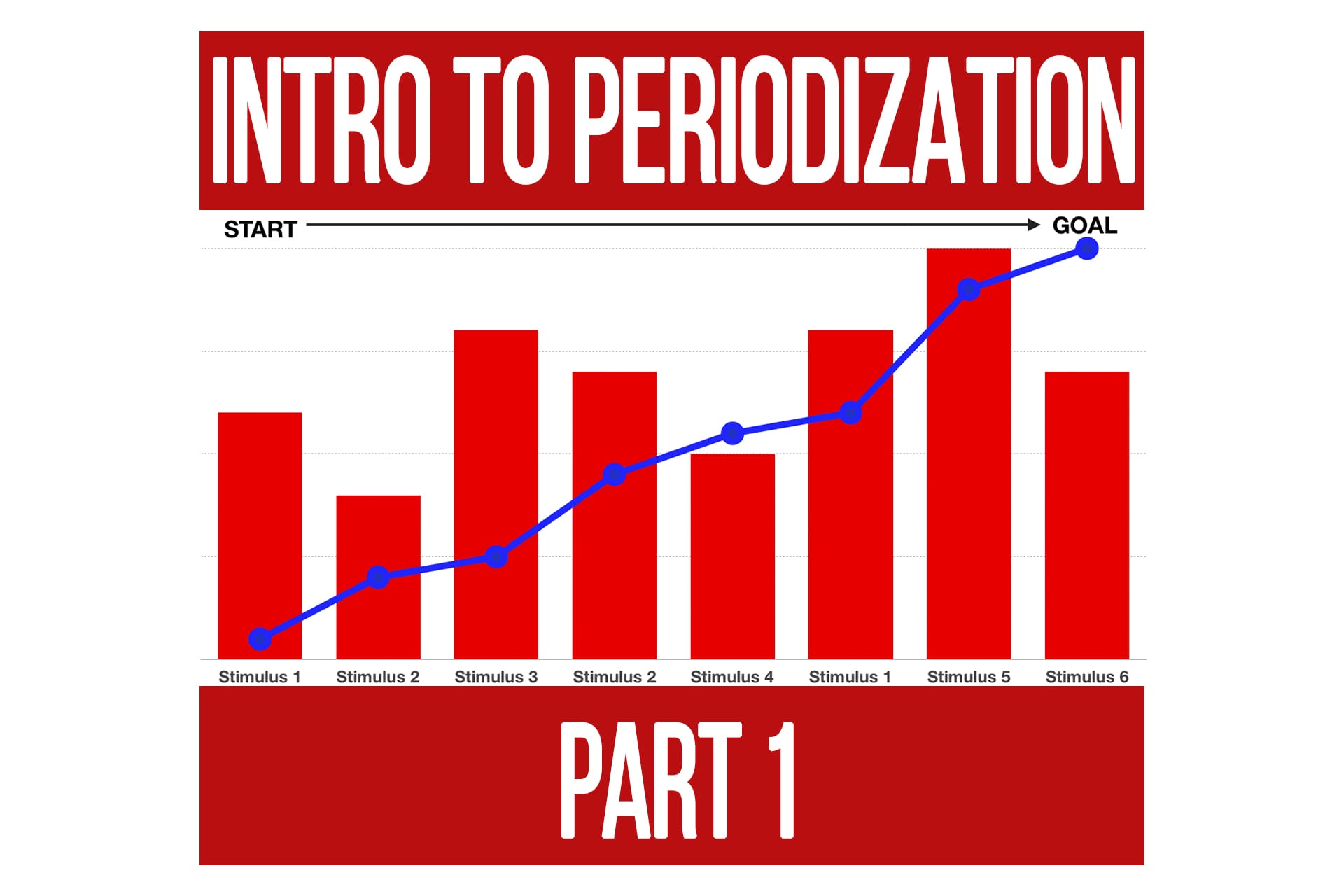
The idea behind periodization is that it allows you to progressively overload your muscles. This means gradually increasing the intensity and volume of your workouts over time to break through plateaus and avoid injury.
The Benefits of Periodization Training
Periodization training offers several benefits, including:
- Optimizing recovery time
- Improving endurance
- Increasing strength and power
- Reducing the risk of injury
The Phases of Periodization Training
Periodization training is typically divided into four phases:
- Base Training
- Strength Training
- Power Training
- Tapering
Base Training
The base training phase aims to build endurance and aerobic capacity. This phase typically lasts around 4-6 weeks, and workouts involve low-intensity, steady-state cardio exercises, such as jogging or cycling.
Strength Training
The strength training phase is where you start to build muscle. Workouts during this phase involve resistance training using weights or bodyweight exercises. The goal is to increase muscle mass and strength gradually.
Power Training
The power training phase aims to increase your power and explosiveness. During this phase, you'll focus on exercises that require maximum muscle force in a short period, such as plyometric exercises and Olympic lifts.
Tapering
The tapering phase is where you reduce the training volume and intensity leading up to an event or competition. This phase allows your body to recover and peak for the competition.
Periodization Training Tips
If you're new to periodization training, here are some tips to get you started:
- Set clear goals for each phase
- Gradually increase the intensity and volume of your workouts
- Make sure each phase builds on the previous one
- Track your progress to see how far you've come
- Listen to your body and rest when you need it
Periodization Training FAQs
How long should each phase last?
The length of each phase depends on your goals and fitness level. Generally, each phase can last anywhere from 4-12 weeks.
Do I need to follow each phase in order?
While it's recommended to follow each phase in order, you can adjust the length of each phase to suit your needs and goals.
Can I combine phases?
Yes, you can combine phases if you have specific goals. For example, you might focus on both strength and power training if you're preparing for a powerlifting competition.
Is periodization training only for athletes?
No, periodization training can be useful for anyone looking to improve their fitness level and reach their goals.
Can I do periodization training at home?
Yes, you can do periodization training at home with minimal equipment. Bodyweight exercises and resistance bands can be used for strength training workouts, while cardio exercises can be done outside or on a home treadmill.
What are some sample workouts for each phase?
Sample workouts for each phase might include:
- Base training: steady-state jogging, cycling, or swimming
- Strength training: squats, deadlifts, push-ups, pull-ups
- Power training: plyometric exercises, box jumps, Olympic lifts
- Tapering: reduce the volume and intensity of your workouts gradually
Periodization training can help you take your fitness level to the next level. By gradually increasing the intensity and volume of your workouts, you can avoid plateaus and reach your goals faster and with less risk of injury.
Keep in mind that everyone's fitness level and goals are different, so it's essential to tailor your periodization training program to your needs. Listen to your body and adjust workouts as needed to ensure you get the best results.

Post a Comment for "What Is The Role Of Periodization In Training Programs For Long-term Progress And Injury Prevention?"