What Is The Importance Of Cooling Down After Exercise For Gradual Recovery And Heart Rate Normalization?

Exercising is an essential part of life that helps keep us healthy and fit. Whether you prefer running, cycling, or playing basketball, it’s crucial to make sure you remain safe and comfortable during and after your workout. Cooling down is an excellent way to do that. In this article, we’ll cover everything you need to know about why cooling down after exercise is crucial and some tips that can help make it more effective.
The Importance of Cooling Down After Exercise
Cooling down after a workout refers to engaging in low-level exercise or stretching after an intense workout. The purpose of cooling down is to allow your body to ease into a state of rest so that it can recover more quickly from the intense exercise. When you exercise, your heart rate and blood pressure increase, and your muscles contract intensely. If you were to stop suddenly, that could cause blood to pool in your lower extremities, which could lead to dizziness or fainting. Cooling down helps ease your body gradually back to its resting state, reducing the risk of developing these complications.
Details of Cooling Down After Exercise
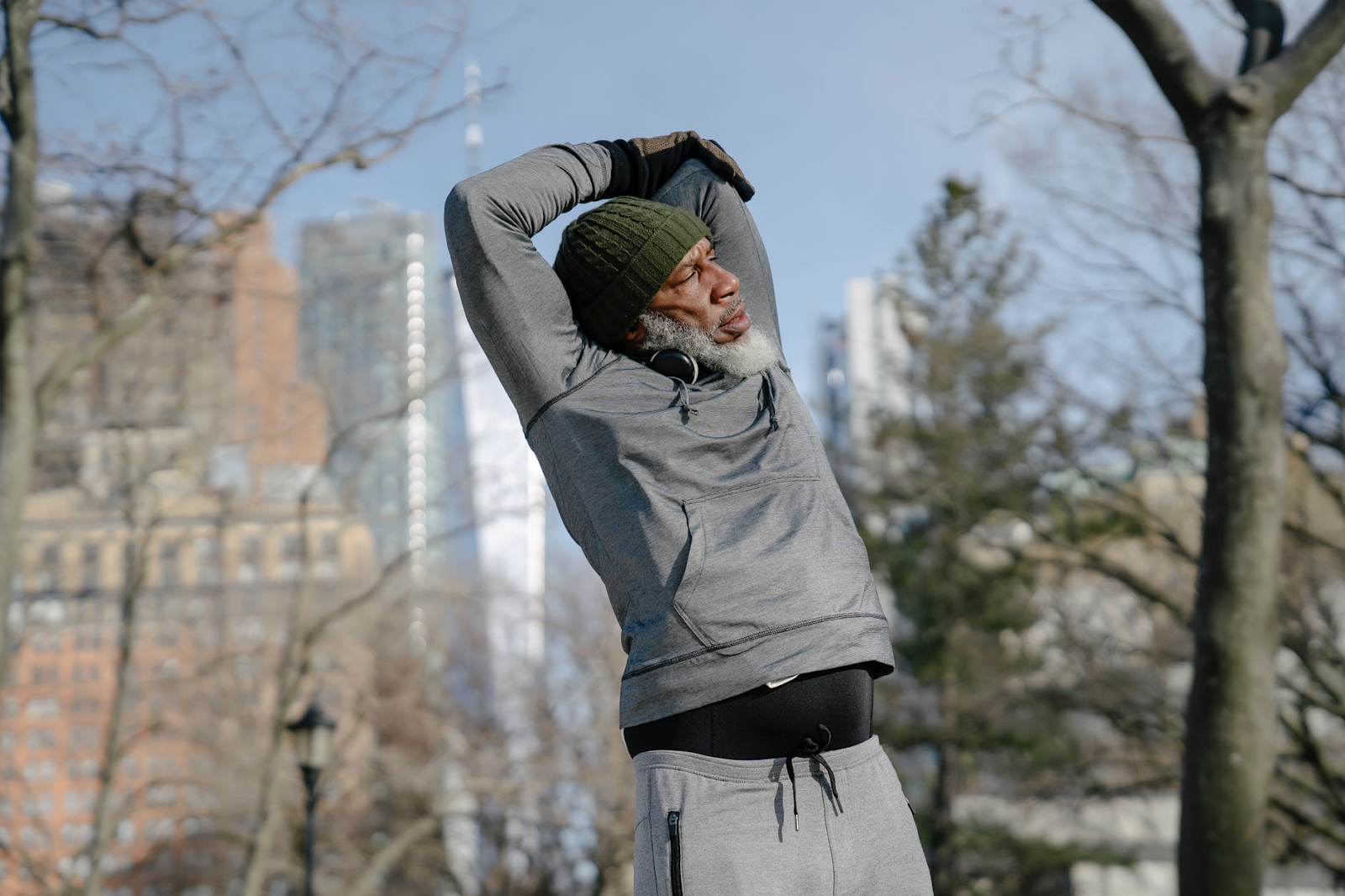
When you finish your workout, the first thing you should do is slow down your pace gradually. For runners, this could mean running at a slower pace for five to ten minutes. For weightlifters, it’s better to lift lighter weights with plenty of reps before stopping completely. After you’ve slowed down, you can then engage in some static stretching, which simply means stretching your muscles while not moving. Hold each stretch for at least 30 seconds, so your muscles have adequate time to loosen up. Other exercises that can help you cool down after a workout include brisk walking, swimming, and cycling. These exercises provide low-level intensity that can help your body gradually transition back to its resting state.
Tips for Getting the Most Out of Your Cool Down
If you want to get the most benefits from your cool down, there are several tips you may want to follow. First, make sure you give yourself enough time to cool down fully. You may want to plan for an additional ten to fifteen minutes to your workout, so you’re not rushed. Secondly, listen to your body, and adjust your cool down as needed. If you feel like you need to stretch more, take the time to do so, and don’t push yourself too hard. Lastly, make sure you breathe deeply and slowly, which can help promote relaxation and ease your body into a state of rest.
FAQ About Cooling Down After Exercise
Why is cooling down essential?
As mentioned earlier, cooling down is essential because it helps your body gradually transition back to its resting state, reducing the risk of developing complications such as dizziness, fainting, or blood pooling in your lower extremities.
What exercises are best for cooling down?
Exercises that are low-level intensity, such as brisk walking, swimming, or cycling, are best for cooling down after a workout.
How long should I cool down after a workout?
You should plan for an additional ten to fifteen minutes to your workout to cool down fully.
Can cooling down help with muscle soreness?
Yes, cooling down can help with muscle soreness after a workout by promoting blood flow throughout your body.
Can I skip cooling down after a workout?
While it’s not recommended, you can skip cooling down after a workout. However, we advise against it to avoid the risk of developing complications such as dizziness, fainting, or blood pooling in your lower extremities.
How does cooling down fit into my workout routine?
Cooling down should be the last step in your workout routine, and it should take place after you’ve completed your intense exercises.
What if I don’t have the extra time to cool down after my workout?
While cooling down is essential, if you can’t add an extra ten to fifteen minutes to your workout, you can gradually reduce the intensity of your workout for the last five to ten minutes. Your body will still have time to ease back into its resting state.
Can I do anything besides stretching for my cool down?
Yes, exercises such as brisk walking, swimming, and cycling are excellent alternatives to stretching for your cool down.
How long should I hold each stretch during my cool down?
You should hold each stretch for at least 30 seconds to allow your muscles enough time to loosen up fully.
Now that you understand why cooling down is so essential and how to do it effectively, it’s time to incorporate it into your workout routine. Remember, it’s not just about finishing your workout; it’s about ending it safely and effectively.

Post a Comment for "What Is The Importance Of Cooling Down After Exercise For Gradual Recovery And Heart Rate Normalization?"