What Is The Importance Of Dynamic Stretching Before A Workout?
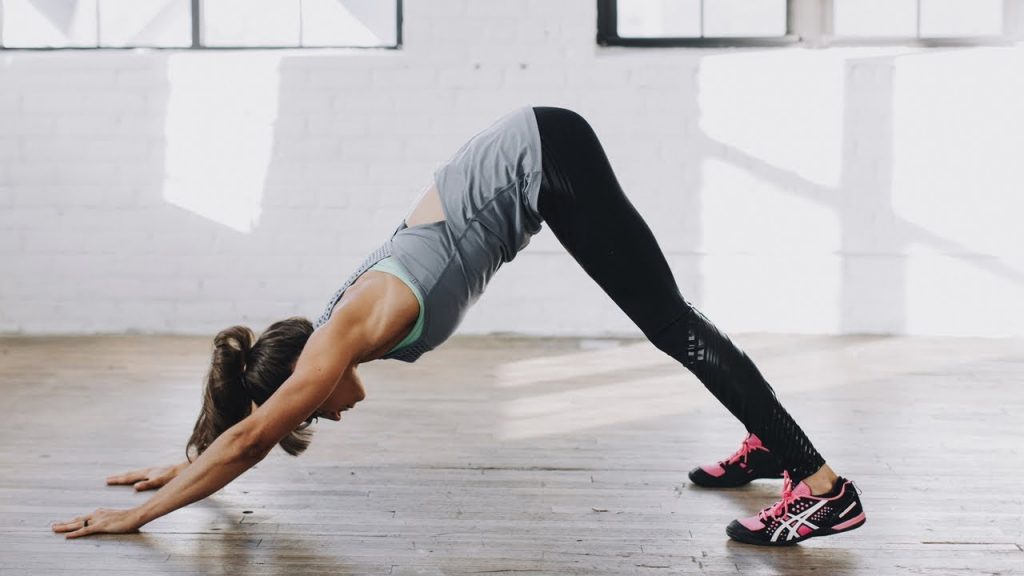
Greetings folks! Today, we’re going to talk about stretching. It may seem like a small part of exercise, but stretching before and after your workout is just as important as any other part of it. So, let's delve into why stretching should not be skipped.
The Importance of Stretching
Stretching may seem like a waste of time, but it is necessary for a variety of reasons. It increases blood flow to your muscles and joints, which can improve your flexibility, balance, and range of motion. Stretching also helps your body recover after exercise, reducing soreness and stiffness, and preventing injury.
The Benefits of Stretching
Stretching can have a major impact on your physical well-being. Not only can it help you prevent injury, but it can also help you reduce your risk for certain conditions, such as arthritis and back pain. By keeping your muscles and joints healthy, you can enjoy better mobility and flexibility as you age.
Stretching can also benefit your mental health. By using stretching as a form of relaxation, it can relieve stress and anxiety, which can often be a major inhibitor to a healthy mind and body.
Stretching - Before or After Exercise?
One question that often comes up is whether you should stretch before or after exercising. The truth is both types of stretching have their benefits. Done before a workout, stretching can help increase blood flow and range of motion, making it easier for you to complete your exercise routine. However, stretching after your workout can aid in relaxing your body and helping it recover, speeding up the healing process.
How Long Should You Stretch?
One of the biggest questions is how long should stretching take? While the length of stretching can differ from person to person, it should be sufficient for your muscles to become warmed up. Depending on the workout you plan on doing, roughly 10-20 minutes should suffice, with each stretch being held for 30 seconds at a time.
Stretching Tips
Here are some tips to keep in mind when stretching:
- Stretch slowly and gently to avoid injury.
- Breathe deeply and evenly throughout the stretch.
- Hold each stretch for at least 30 seconds to allow your muscles to fully relax.
- Don't force yourself into a stretch, as this can lead to injury.
- Focus on the muscles that are tight or sore rather than overdoing it and stretching the muscles that are already flexible.
FAQs
What type of stretches should I be doing?
The type of stretches you should be doing depends on the type of exercise you plan on doing. For example, if you plan on doing a lot of running, then stretches that focus on your legs will be beneficial, if you plan on swimming, then arm and shoulder stretches should be your focus.
Can stretching help prevent injury?
Yes, absolutely! By keeping your muscles and joints flexible and less prone to cramping, you can reduce your risk of injury during exercise, and maintain optimal health even as you grow older.
Do I still need to warm up before stretching?
Yes, warming up before stretching is crucial. Start your workout with a low impact activity, such as walking or jogging, and gradually increase the intensity as you go.
In Conclusion
Stretching may seem like a small part of exercise, but it is an essential one. So whether you’re a seasoned athlete or just starting out, make sure you don't skip this crucial part of your workout routine. Take the time to warm up properly, stretch, and cool down, and you’ll enjoy the benefits of a healthier and happier body.


Post a Comment for "What Is The Importance Of Dynamic Stretching Before A Workout?"