What Is The Role Of Foam Rolling In Reducing Muscle Knots And Tension?

Do you know that feeling when you have a nagging ache or pain in your muscles, and no matter how much you try to massage it, it just doesn't seem to go away? You might have a knot in your muscle which can be quite frustrating. These knots can be caused by various factors ranging from stress and tension, to overuse of muscles during exercise or even poor posture. Luckily, there are ways to get rid of knots that you can try at home.
Here are some tips to help you get rid of those pesky knots:
1. Stretching
Stretching is an effective way to relieve muscle tension and stiffness. Stretching will help increase the blood flow to the muscle and the surrounding tissues, which can also help eliminate waste products that can contribute to muscle soreness.
2. Heat therapy
Heat therapy is a great way to relax tight muscles. You can use a heating pad or a warm towel to help relax your muscles and improve circulation. This can be especially helpful before you attempt to stretch or massage the muscles.
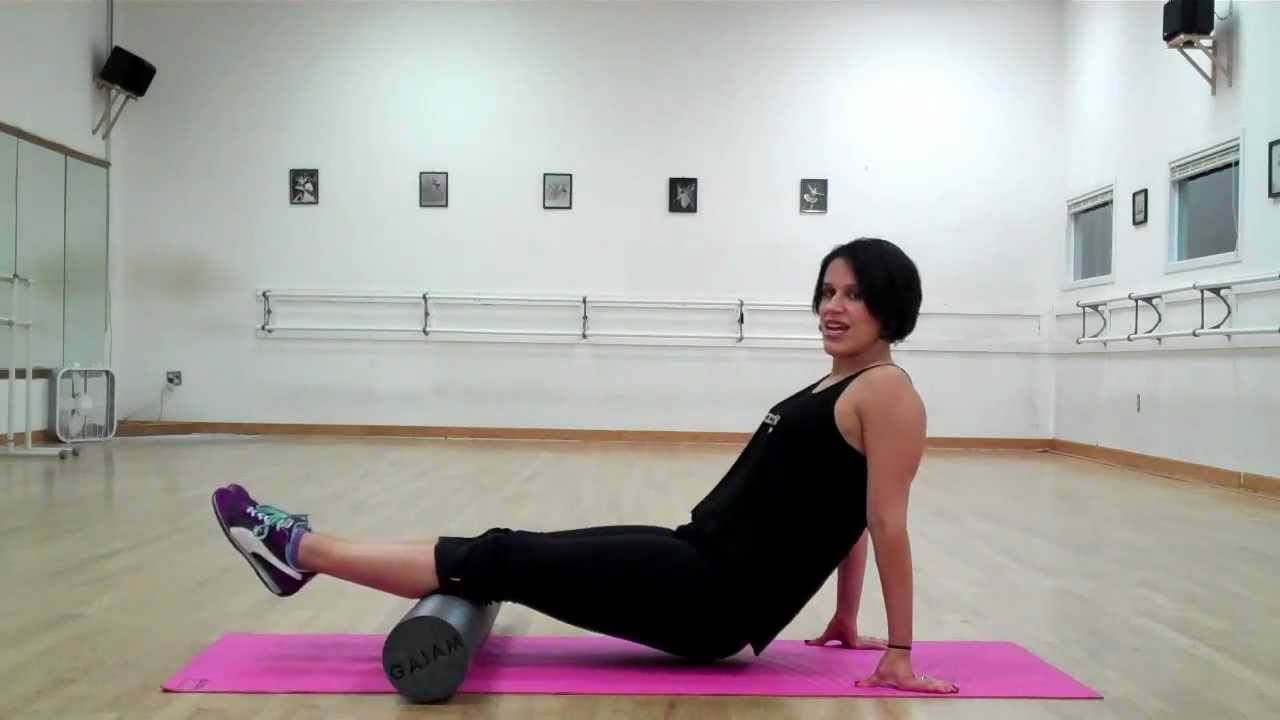
3. Foam rolling
Using a foam roller is another effective way to break up muscle knots. Foam rolling will help to apply pressure to the affected muscle and help it to release the knot. You can use a foam roller on the areas of your body that are prone to knots such as your back, legs, and arms.
4. Massage therapy
One of the most effective ways to get rid of muscle knots is to get a massage. A massage therapist can apply pressure to the affected area and help to break up the knot. Massage therapy can also help to increase circulation in the affected area and reduce pain and inflammation.
5. Hydration
Drinking plenty of water is important for overall muscle health. It can help to flush out toxins that build up in the muscles and cause knots. Dehydration can also lead to muscle cramps, which can exacerbate muscle knots. So, make sure that you stay well-hydrated to reduce the chances of developing muscle knots.
6. Exercise
Regular exercise can help to prevent the development of muscle knots. It can help to keep the muscles flexible and strong. However, it is important to avoid overuse of the muscles. This can lead to muscle fatigue and increase the likelihood of developing knots.
7. Rest and recovery
Rest and recovery are important to maintain muscle health. When you rest, your muscles have the opportunity to repair and recover. This can help to prevent the development of muscle knots.
8. Posture
Poor posture can lead to muscle imbalances and increase the likelihood of developing muscle knots. Maintaining good posture can help to reduce muscle strain and prevent knots from developing.
FAQ:
Q: What are muscle knots?
A: Muscle knots are tight, painful areas that develop within a muscle. They are also known as myofascial trigger points.
Q: What causes muscle knots?
A: There are many factors that can cause muscle knots. Some of the most common factors include stress, tension, overuse of muscles, poor posture, and injuries.
Q: Can muscle knots be harmful?
A: Muscle knots are not harmful in themselves, but they can cause pain and discomfort. In some cases, muscle knots can be a sign of an underlying condition such as fibromyalgia or myofascial pain syndrome.
Conclusion:
Muscle knots can be a pain, but there are many ways to get rid of them. A combination of stretching, heat therapy, massage, hydration, exercise, and good posture can help to prevent and alleviate muscle knots. With these tips, you can keep your muscles happy and healthy so you can go about your day pain-free!

Post a Comment for "What Is The Role Of Foam Rolling In Reducing Muscle Knots And Tension?"