What Is The Role Of Rest Intervals In Weightlifting And Muscle Development?
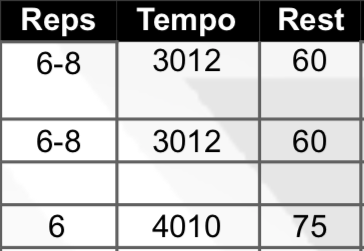
In the fast-paced world of fitness, it's crucial to maximize your workouts and see results quickly. That's where rest intervals come in. By taking strategic breaks between exercises, you can optimize your performance and achieve your desired outcomes. Here's everything you need to know about rest intervals:
What Are Rest Intervals?
Rest intervals refer to the breaks you take between sets of exercises during your workout. Unlike rest days, which are important for overall recovery and injury prevention, rest intervals are designed to optimize your performance within a single workout.
The length of your rest intervals can vary depending on your goals and fitness level, as well as the type of workout you're doing. For example, if you're strength training, you might take longer rest intervals (2-3 minutes) to allow your muscles to fully recover between sets. On the other hand, if you're doing high-intensity interval training (HIIT), you might take shorter rest intervals (30 seconds to 1 minute) to keep your heart rate up and maximize fat burning.
Why Are Rest Intervals Important?
There are several reasons why rest intervals are important:
- Optimize performance: By giving your muscles a chance to recover between sets, you can perform each exercise at maximum intensity and get the most out of your workout.
- Prevent injury: Taking appropriate rest intervals can help prevent injury by allowing your muscles to recover and preventing fatigue-related mistakes.
- Improve endurance: By gradually reducing the length of your rest intervals over time, you can improve your endurance and cardiorespiratory fitness.
- Maximize fat burning: Short rest intervals during HIIT training can keep your heart rate up and maximize fat burning throughout your workout.
How to Incorporate Rest Intervals Into Your Workouts
The key to incorporating rest intervals into your workouts is to be intentional and strategic about when and how you take breaks. Here are a few tips:
1. Plan ahead: Before your workout, decide how long you'll rest between sets and stick to that plan throughout your workout.
2. Monitor your heart rate: To ensure that you're taking appropriate rest intervals, monitor your heart rate throughout your workout. If your heart rate stays too high for too long, you may need to take longer rest intervals.
3. Listen to your body: Ultimately, the length of your rest intervals should be determined by your body and how it feels. If you're feeling overly fatigued or out of breath, take a longer rest interval.
Rest Interval FAQ
How long should my rest intervals be?
The length of your rest intervals should vary depending on the type of workout you're doing and your fitness level. As a general rule, longer rest intervals (2-3 minutes) are appropriate for strength training, while shorter rest intervals (30 seconds to 1 minute) are used for high-intensity interval training (HIIT).
Can rest intervals help prevent injury?
Yes, taking appropriate rest intervals can help prevent injury by allowing your muscles to recover and preventing fatigue-related mistakes.
Can I do cardio during a rest interval?
It's generally best to avoid doing cardio during rest intervals, as this can interfere with your recovery and make it harder to perform at maximum intensity during your next set. However, if your workout calls for it, you may be able to do light cardio (like walking or biking at an easy pace) during your rest intervals.
Should I gradually decrease my rest intervals over time?
Yes, gradually decreasing your rest intervals over time can help improve your endurance and cardiorespiratory fitness. However, this should be done gradually and with caution to avoid overexertion or injury.
Final Thoughts
Overall, taking appropriate rest intervals during your workouts is essential for optimizing your performance, preventing injury, and achieving your desired outcomes. Whether you're a seasoned athlete or just starting out on your fitness journey, incorporating rest intervals into your routine can help you reach new heights and achieve your goals.


Post a Comment for "What Is The Role Of Rest Intervals In Weightlifting And Muscle Development?"