How To Prevent And Manage Exercise-induced Heat Exhaustion?
Summer is finally here, and with it comes the fun of enjoying the sun, being outdoors and soaking up the beautiful weather. However, the hot and humid weather can cause heat exhaustion, which is a condition that can be quite dangerous if not treated properly. Heat exhaustion is caused by exposure to high temperatures, especially when combined with high humidity, and can cause a range of symptoms, from dizziness and nausea to confusion and fatigue.
The Details
The body works hard to maintain a normal body temperature of around 98.6°F (37°C). When the temperature rises above this point, the body begins to sweat in order to cool off. This causes the loss of fluids and important electrolytes, which can lead to heat exhaustion. Heat exhaustion is a condition that is caused by prolonged exposure to high temperatures and can develop over time. If left untreated, it can quickly lead to heat stroke, which can be life-threatening.
The most common causes of heat exhaustion are dehydration and spending too much time in the sun. Dehydration occurs when the body loses more fluid than it takes in, which can lead to a lack of water and electrolytes. Spending too much time in the sun can also cause heat exhaustion, as it can cause the body to overheat and become dehydrated.
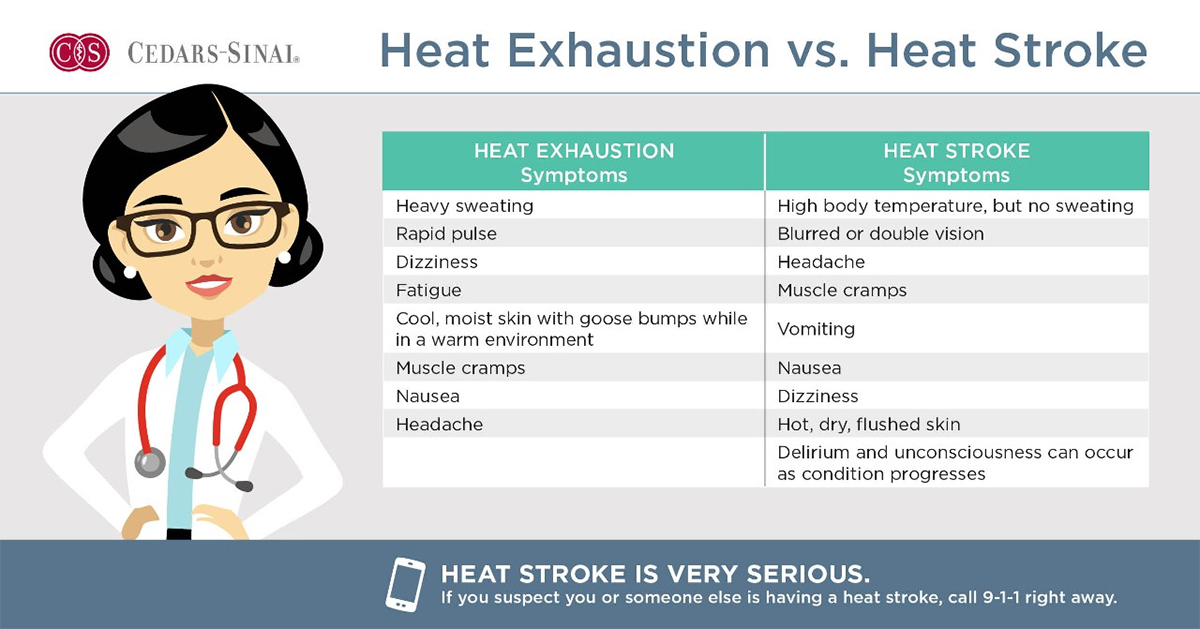
Some of the common symptoms of heat exhaustion include dizziness, nausea, headaches, fatigue, confusion, weakness, and muscle cramps. These symptoms can vary depending on the individual and the severity of the condition.
Tips for Avoiding Heat Exhaustion
To avoid heat exhaustion, it is important to stay hydrated and to be aware of your body's needs. Drink plenty of water and electrolyte-rich fluids such as sports drinks to keep your body hydrated. Wear light and loose clothing that allows the body to breathe and reduces sweating. Limit your time in the sun and take frequent breaks in the shade or indoors. It is also important to avoid alcohol and caffeine, as these can increase the risk of dehydration.
FAQs
How can I tell the difference between heat exhaustion and heat stroke?
The symptoms of heat exhaustion and heat stroke can be similar, but there are some important differences. Heat exhaustion is a milder form of heat-related illness and can be treated with rest and hydration. Heat stroke, on the other hand, is a more serious condition that requires immediate medical attention. Symptoms of heat stroke include confusion, seizures, a high fever, and a fast heartbeat.
What should I do if I think I have heat exhaustion?
If you think you have heat exhaustion, it is important to take steps to cool down and rehydrate. Move to a cool place, preferably indoors with air conditioning. Remove any excess clothing and drink water or sports drinks. You may also want to take a cool bath or shower to help lower your body temperature.
Are there any groups of people who are more at risk for heat exhaustion?
Yes, certain groups of people are more at risk for heat exhaustion, including young children, older adults, and people with chronic health conditions such as heart disease or diabetes. If you are in one of these groups, it is important to take extra precautions to stay cool and hydrated during hot weather.
What are some signs that someone may be experiencing heat exhaustion?
Some common signs of heat exhaustion include dizziness, nausea, confusion, muscle cramps, and fatigue. If you notice someone displaying these symptoms, it is important to help them cool down and rehydrate, and to seek medical attention if the symptoms continue or worsen.
How long does it take for someone to recover from heat exhaustion?
Most people recover fully from heat exhaustion within a few hours to a few days with rest and proper hydration. However, in some cases, it may take longer or the symptoms may persist, which may require additional medical attention. It is important to monitor your symptoms and seek medical attention if they do not improve or worsen.
By taking the necessary precautions and being aware of the symptoms and signs of heat exhaustion, you can enjoy your summer safely and comfortably. Remember to stay hydrated, take frequent breaks, and seek medical attention if necessary.


Post a Comment for "How To Prevent And Manage Exercise-induced Heat Exhaustion?"