What Is The Role Of Rest And Recovery In Muscle Growth And Performance?
 Are you looking to get fit and improve your health? Look no further than these effective fitness tips that will help you achieve your goals in no time!
Tip 1: Start with a warm-up. Before you begin any exercise routine, it's important to warm up your muscles to prevent injury. Spend at least five minutes stretching and doing light cardiovascular activity, such as jogging in place or jumping jacks.
Tip 2: Set realistic goals. Whether you're aiming to lose weight, gain muscle, improve flexibility, or simply get in better overall shape, it's crucial to set realistic and achievable goals. This will help you stay motivated and track your progress.
Tip 3: Switch up your routine. Doing the same workout every day can lead to boredom and plateaus. Mix things up by trying new exercises, changing the order of your routine, or varying the intensity.
Tip 4: Incorporate strength training. Building muscle is key to boosting your metabolism and burning calories even when you're not working out. Incorporate weight lifting or resistance exercises into your routine to build lean muscle mass.
Tip 5: Stay hydrated. Drinking enough water is essential for proper bodily function and can help prevent muscle cramps, fatigue, and dehydration. Aim to drink at least 8-10 glasses of water per day.
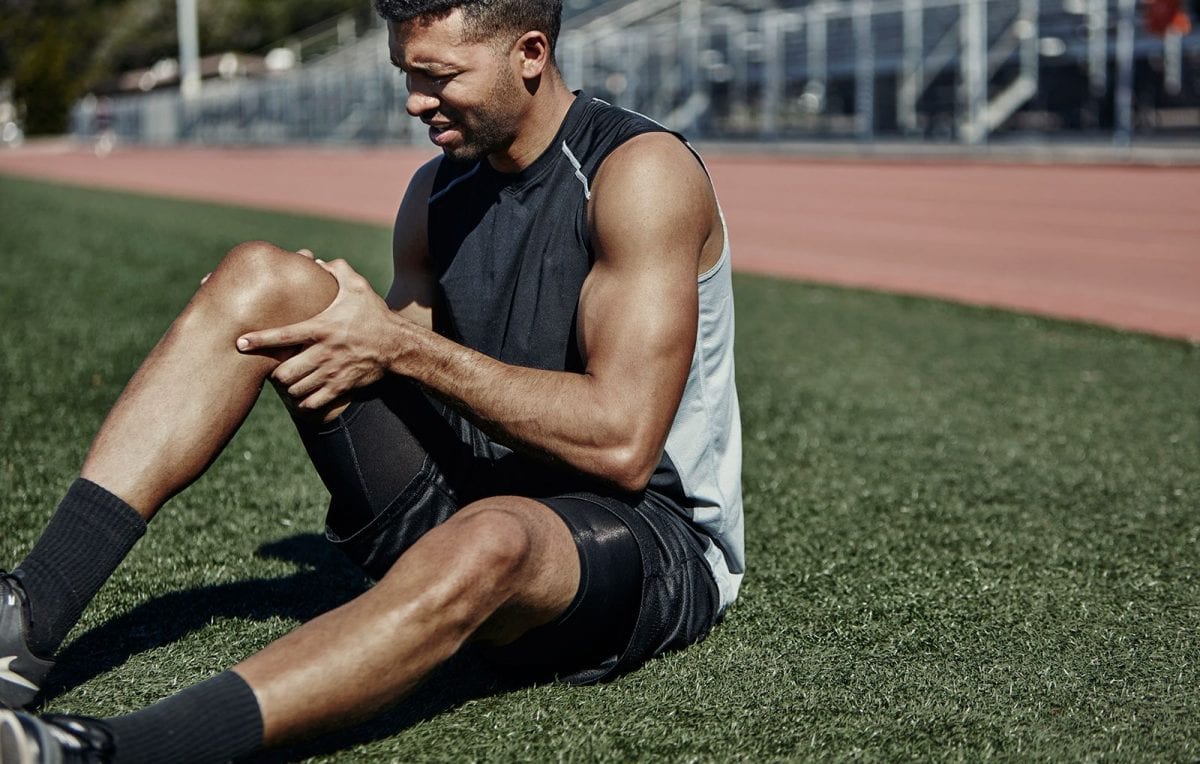
Tip 6: Get enough rest. Your body needs time to recover and repair after a workout. Aim for at least 7-8 hours of sleep per night to allow your muscles to heal and prevent burnout.
Tip 7: Practice proper form. Proper form is essential to prevent injury and get the most out of your exercises. If you're unsure of how to perform an exercise correctly, consult a personal trainer for guidance.
Tip 8: Make it a habit. Consistency is key when it comes to fitness. Make exercise a regular part of your routine by scheduling it into your day and treating it like any other appointment or commitment.
Details
To get the most out of your workout, it's important to understand the basics behind exercise. First, consider the type of exercise you want to do. Cardiovascular exercises like running, cycling, and swimming are great for improving heart health and burning calories. Strength training, on the other hand, involves using weights or resistance bands to build muscle and increase metabolism. Flexibility exercises like yoga and stretching can improve range of motion and prevent injury.
Next, it's important to consider your fitness level and any medical conditions or injuries that may affect your ability to exercise. If you're a beginner, start with low-impact exercises and gradually increase intensity over time. Consult with a doctor if you have any concerns about your health or any preexisting conditions, and always stretch and warm up properly to prevent injury.
Finally, remember to track your progress and celebrate your successes along the way. Keeping a workout journal or using a fitness tracker can help you stay on top of your goals and see how far you've come. Don't forget to reward yourself for hitting milestones, such as treating yourself to a massage or a new fitness accessory!
Tips for Staying Motivated
Staying motivated can be a challenge when it comes to exercise. To keep yourself motivated and committed to your fitness goals, try the following tips:
- Find a workout partner: Having a friend or family member to exercise with can help you stay accountable and make workouts more enjoyable.
- Set small goals: Break down larger goals into smaller, achievable milestones to stay motivated and track progress.
- Reward yourself: Treat yourself to a small reward for reaching milestones, such as a new fitness accessory or a massage.
- Try new things: Avoid boredom by trying new exercises, classes, or routines. Keep things fresh and exciting to prevent burnout.
- Stay positive: Focus on the benefits of exercise and how it makes you feel, rather than fixating on the number on the scale.
FAQ
Q: What type of exercise is best for weight loss?
A: Cardiovascular exercise is great for burning calories and promoting weight loss. High-intensity interval training (HIIT) has been shown to be particularly effective for shedding pounds.
Q: Should I focus on cardio or strength training?
A: Both types of exercise are important for overall health and fitness. Cardiovascular exercise improves heart health and burns calories, while strength training builds muscle mass and increases metabolism. It's important to incorporate both into your routine.
Q: What should I eat before and after a workout?
A: Eating a small snack containing carbohydrates and protein before exercise can provide energy and prevent muscle breakdown. After exercise, aim to eat a meal containing plenty of protein and carbohydrates to help rebuild muscle and replenish glycogen stores.
Q: How often should I exercise?
A: Aim to exercise for at least 30 minutes per day, five days per week. However, keep in mind that every individual's needs and abilities are different, so consult with a healthcare professional before starting a new exercise routine.
By following these fitness tips, you'll be on your way to achieving your health and fitness goals in no time. Remember to stay consistent, set realistic goals, and mix things up to keep your workouts fun and effective!

Post a Comment for "What Is The Role Of Rest And Recovery In Muscle Growth And Performance?"