What Are The Benefits Of Practicing Meditation For Stress Reduction In Fitness?

Mindfulness meditation is a powerful and transformative practice with a wide range of benefits for people of all ages and backgrounds. With its roots in ancient Buddhist tradition, mindfulness meditation has been shown to reduce stress, improve cognitive function, and increase overall wellbeing.
While there is no one-size-fits-all approach to mindfulness meditation, there are a few basic principles that can help guide your practice:
Be present - The core principle of mindfulness meditation is to pay attention to the present moment. By focusing your attention on your breath, the sensations in your body, and the sensations around you, you can become more aware and present in your life.
Be non-judgmental - As you practice mindfulness, you may notice thoughts, emotions, and physical sensations arise. Rather than judging or criticizing these experiences, simply observe them in a non-judgmental way.
Be patient - Mindfulness meditation is a skill that takes time to develop. Don't expect instant results or get discouraged if your mind wanders or you struggle to focus at first. With consistent practice, you can develop greater mindfulness and reap the benefits of this powerful practice.
If you're new to mindfulness meditation or looking for ways to deepen your practice, here are a few tips to help you get started:
Tips for Mindfulness Meditation
- Start small - When you're first starting out, it's important to start with small, manageable sessions. Aim for just a few minutes a day, gradually increasing your practice time as you become more comfortable.
- Find a quiet space - For most people, it's easier to practice mindfulness meditation in a quiet, comfortable environment. Pick a spot where you won't be disturbed, and consider minimizing external distractions like noise or visual stimuli.
- Use guided meditations - There are many excellent resources available online for guided mindfulness meditation sessions. These can be a helpful way to learn the basics and stay focused during your practice.
- Be consistent - Like any skill, mindfulness meditation requires consistent practice to develop. Try to practice at the same time each day, and commit to making mindfulness a regular part of your routine.
Now that you've got the basic principles and tips down, let's dive into some of the amazing benefits of mindfulness meditation:
The Benefits of Mindfulness Meditation
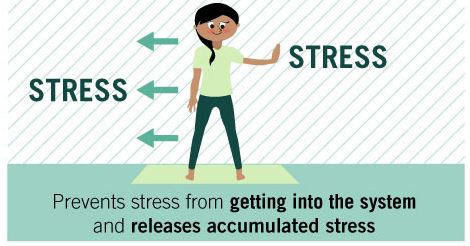
Reduced stress - Studies have shown that mindfulness meditation can significantly reduce stress levels in individuals of all ages. By focusing on the present moment and practicing non-judgment, you can reduce feelings of anxiety and improve your overall mental health.
Improved cognitive function - Mindfulness meditation has also been shown to improve cognitive function, including working memory, executive function, and attention span. Regular practice can even help reduce age-related cognitive decline!
Improved physical health - Mindfulness meditation has been linked to a variety of physical health benefits, including lower blood pressure, improved sleep quality, and reduced inflammation.
Increased wellbeing - Perhaps most importantly, mindfulness meditation has been linked to increased overall wellbeing, including greater feelings of happiness, self-compassion, and empathy for others.
Now that you're aware of some of the many benefits of mindfulness meditation, you might be wondering how to incorporate this practice into your daily routine. Here are a few frequently asked questions to help guide you:
Frequently Asked Questions About Mindfulness Meditation
How long do I need to practice mindfulness meditation to see results?
While everyone is different, many experts recommend practicing mindfulness meditation for at least 10-15 minutes a day to see significant results. Consistency is key, so aim to practice daily if possible.
Do I need any special equipment to practice mindfulness meditation?
No! All you need to practice mindfulness meditation is a quiet space and a few minutes of uninterrupted time. While there are meditation cushions and other tools that can be helpful, they're not necessary to get started.
What should I do if my mind wanders during mindfulness meditation?
One of the most common experiences during mindfulness meditation is the wandering mind. When you notice your mind drifting, simply observe your thoughts without judgment and gently redirect your focus back to your breath or other anchor point.
Can mindfulness meditation be practiced with a group?
Absolutely! Many people find it helpful to practice mindfulness meditation with a group or with a teacher. This can help deepen your practice, provide accountability and support, and foster a sense of community.
Whether you're looking to reduce stress, improve your mental and physical health, or simply become more present in your life, mindfulness meditation is a powerful tool that can help you reach your goals. With consistent practice and an open mind, you too can reap the many benefits of this transformative practice.

Post a Comment for "What Are The Benefits Of Practicing Meditation For Stress Reduction In Fitness?"